
Last updated November 24, 2026
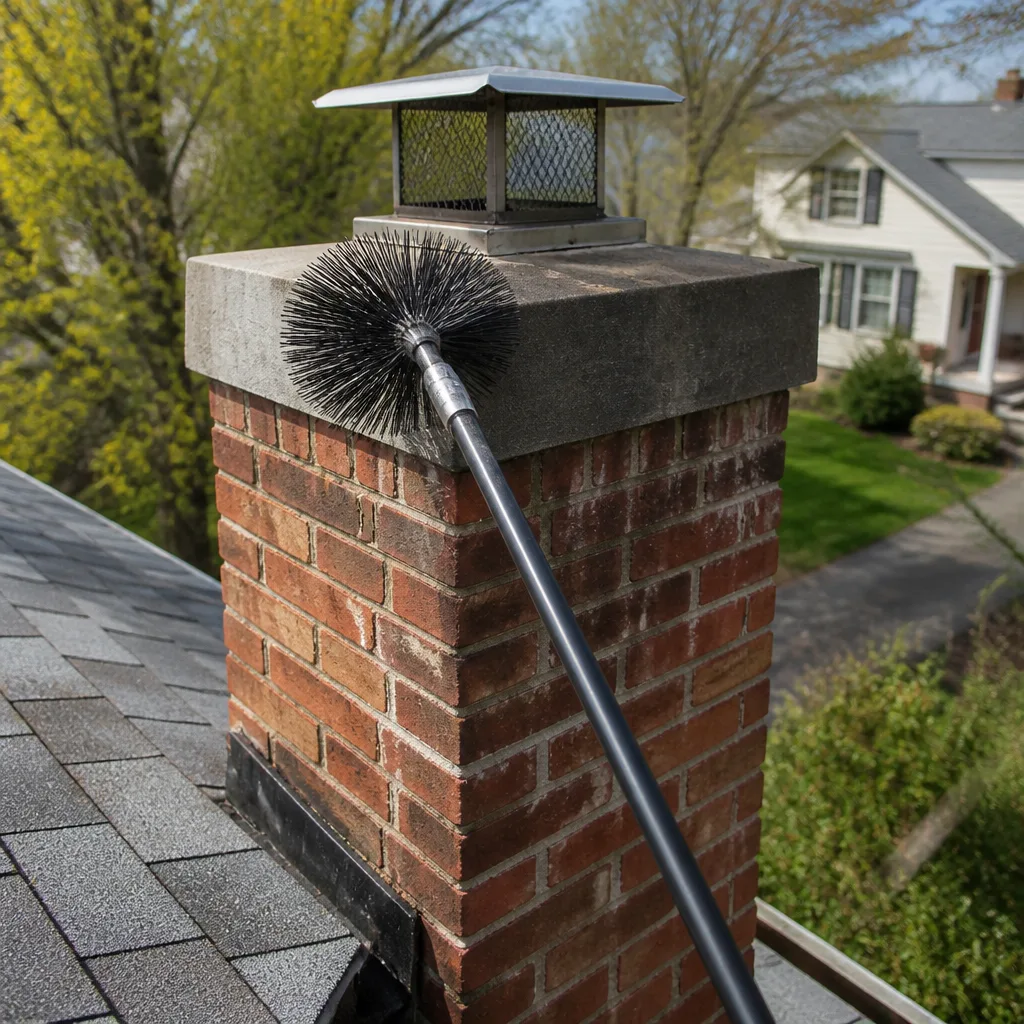 Sweep & inspection
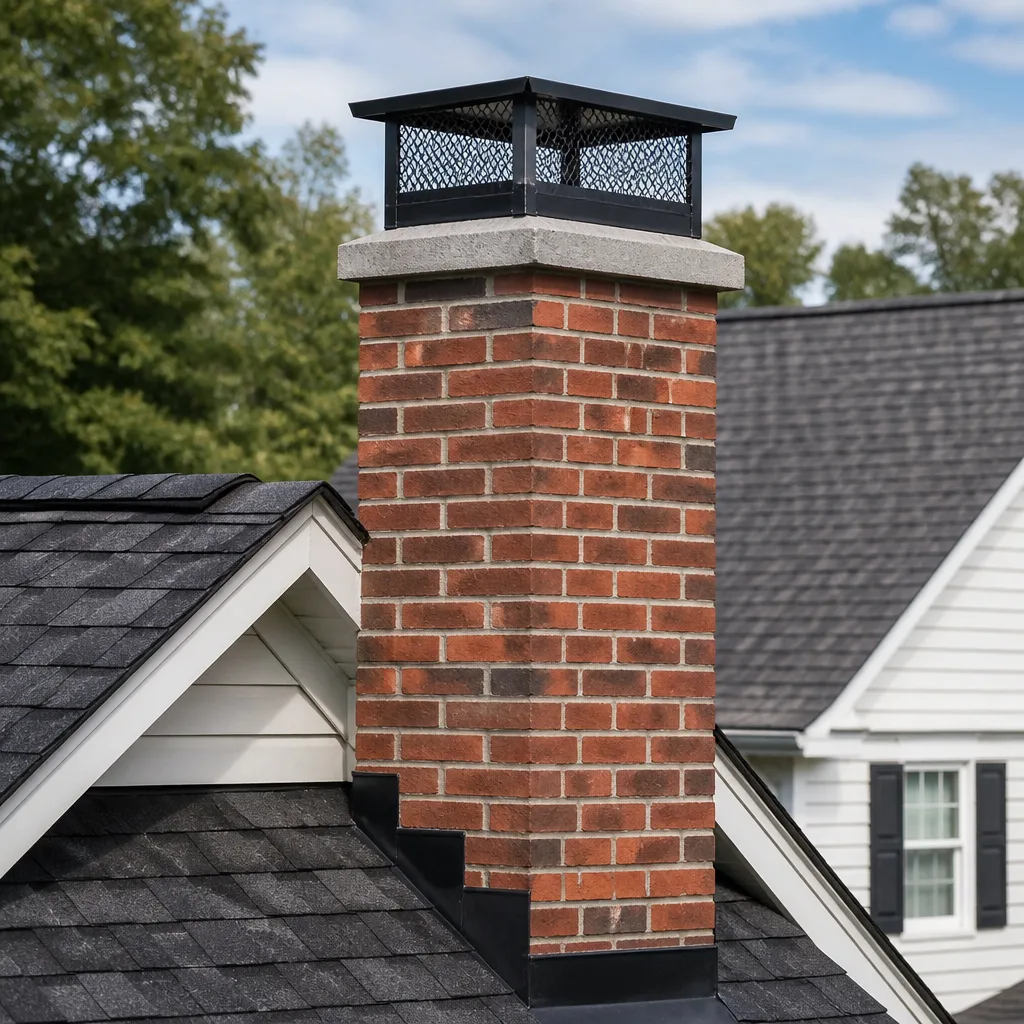 Caps & crowns
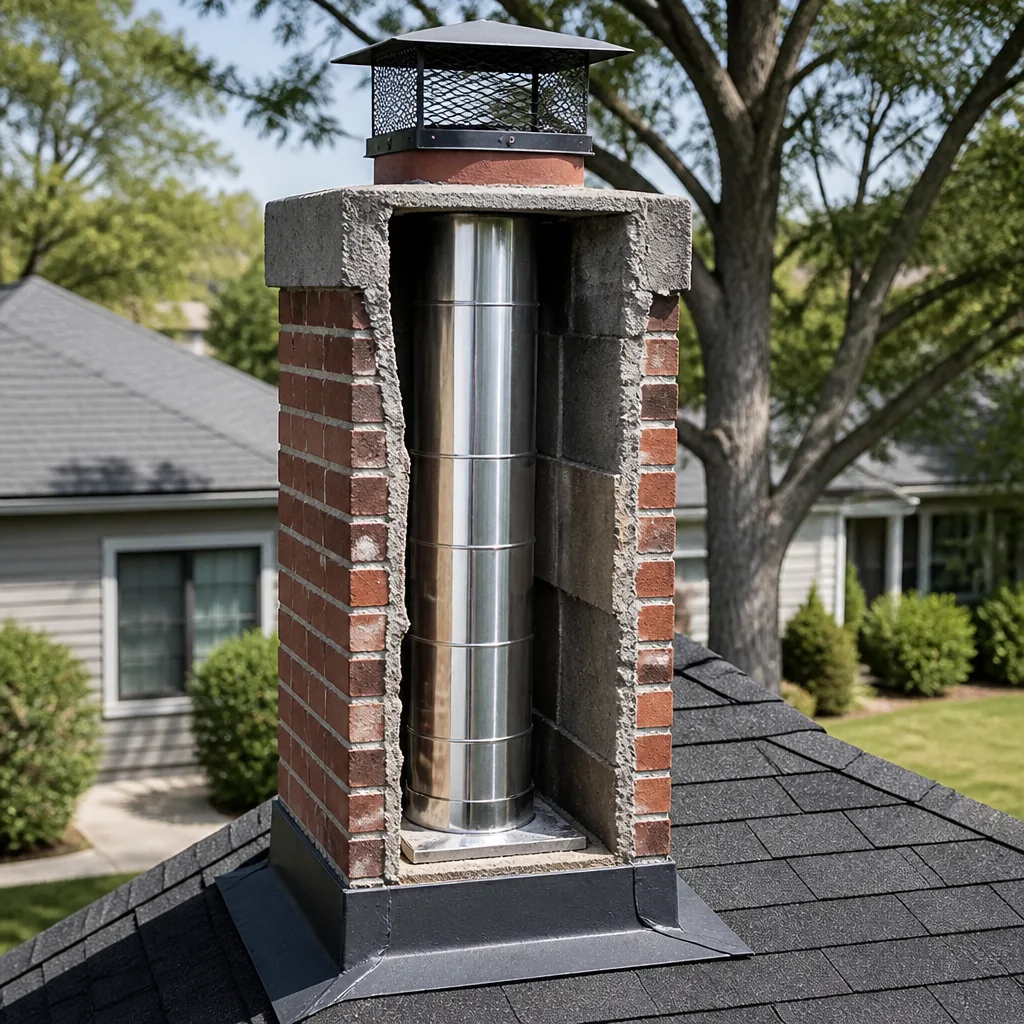 Flue relining
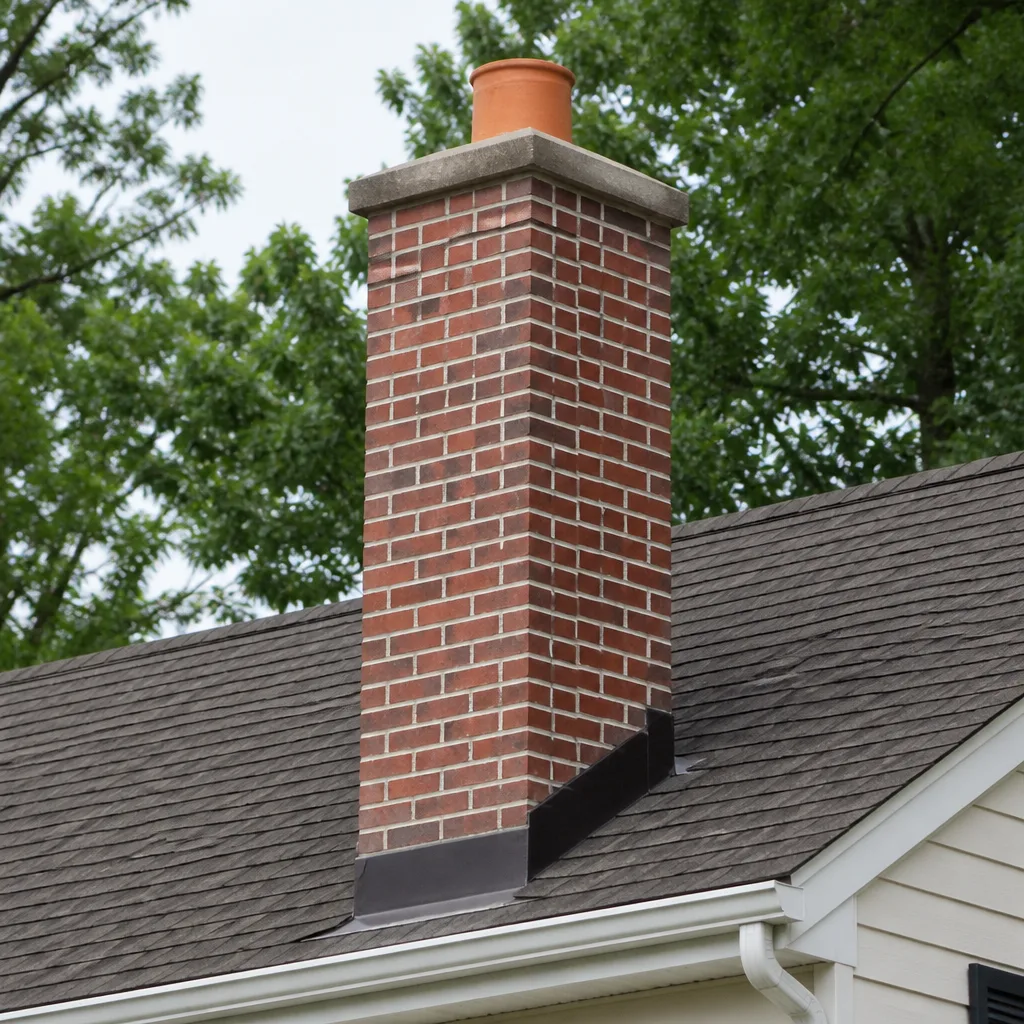 Masonry repair
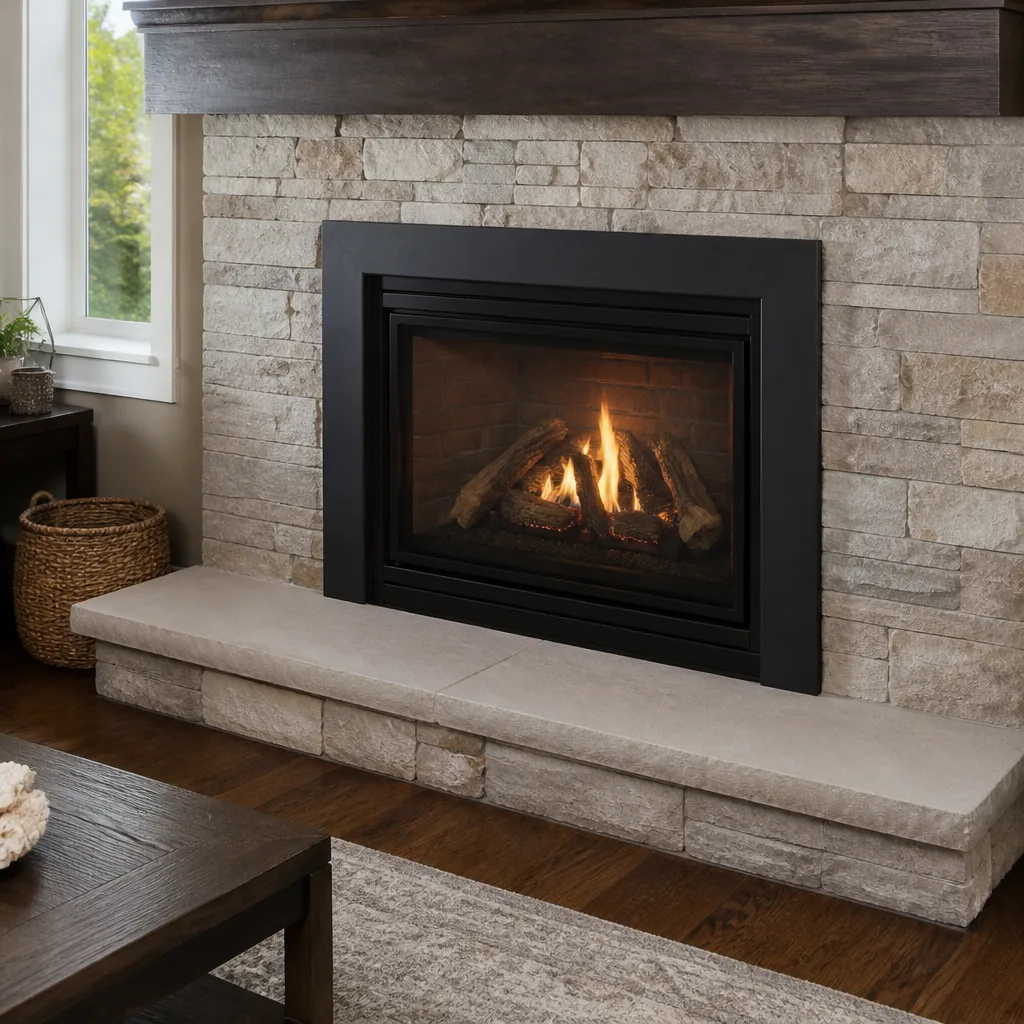 Gas fireplace service
Level 1 sweep and inspection to the NFPA 211 annual standard - flue, crown, cap, and flashing checked and photographed
Chimney sweep logs do not sweep chimneys. They loosen some creosote - which then falls where a brush and vacuum still have to collect it.
Chimney Cleaning Permits, Codes & Inspections in Erie, CO: What You Need to Know
Here’s the part most homeowners miss: sweeping your chimney is routine maintenance and needs no permit. But the repair a sweep often uncovers – a cracked liner, a crumbling crown, a disconnected gas appliance – usually does. That gap matters because unpermitted chimney work doesn’t disappear when the job ends. It sits in your records, and it can surface at the worst possible time: an insurance claim, a home inspection, or a closing table. We work on Erie chimneys every week, and we’ve watched too many homeowners inherit someone else’s shortcut. This guide lays out exactly where the permit line falls in Colorado, how Erie’s split county situation works, what NFPA 211 actually governs, and the questions to ask before any repair starts. By the end, you’ll know what needs a permit, what doesn’t, and how to protect yourself either way.
Quick Answer
In Erie, CO, routine chimney cleaning and inspection do not require a permit, but most chimney repairs do – including liner replacement, structural masonry work, and gas appliance connections. Erie straddles Weld and Boulder counties, so permit requirements come from the Town of Erie combined with the county, and the technical standard behind those rules is NFPA 211. Before any repair begins, confirm in writing who is pulling the permit and which jurisdiction is issuing it.
Styles & brands we work with
- Sweep & inspection
- Caps & crowns
- Flue relining
- Masonry repair
- Gas fireplace service
Table of Contents
- Where the Permit Line Falls: Cleaning vs. Repair
- Which Jurisdiction Governs Your Erie Chimney?
- What NFPA 211 Is and Why Inspectors Reference It
- Chimney Inspections: Levels 1, 2, and 3 Explained
- How Unpermitted Work Affects Insurance and Resale
- What to Ask a Chimney Contractor Before Work Begins
- Erie’s Climate and Housing Stock: Why Chimneys Age the Way They Do
- How to Verify Permit Requirements for Your Specific Job
Where the Permit Line Falls: Cleaning vs. Repair
The simplest way to think about it: anything that removes creosote or inspects the system is maintenance, and anything that alters the structure or the components of the chimney is construction. Maintenance needs no permit. Construction almost always does. The confusion happens because one visit can produce both – a sweep and an inspection, followed by a recommendation for a repair that crosses into permitted territory.
Here’s how the categories break down in Colorado practice:
- No permit needed: routine sweeping, visual inspection, cap and screen work, removing a bird nest or debris, minor firebox cleanup.
- Permit typically required: replacing a flue liner, rebuilding a chimney chase above the roofline, structural masonry repair, installing or reconnecting a gas appliance to the flue, adding a new chimney or altering its height.
- Case by case: crown replacement, damper replacement, and resurfacing work. Some fall under maintenance and some under structural repair depending on scope and the jurisdiction.
The critical distinction is that the permit obligation sits with the person doing the work, not with you. If a contractor performs liner or masonry work without pulling the permit, that burden doesn’t float away – it lands on the homeowner. We’ve inspected Erie homes where a prior liner installation looked fine from the firebox and turned out to have no permit, no documentation, and no manufacturer warranty trail. That’s a problem you inherit, not one you caused.
Which Jurisdiction Governs Your Erie Chimney?
Erie sits across two counties, and that geographic detail matters more than most homeowners realize. The town itself has a building department that handles permits and inspections for most residential work within town limits. Some properties fall in Weld County, others in Boulder County, and the county-level requirements and inspection processes can differ. Before assuming a permit is or isn’t required, confirm which jurisdiction has authority over your specific address.
Practically, that means:
- Start with the Town of Erie building department. They can tell you whether your address is inside town permitting authority and what scope triggers a permit.
- If your property is in the county’s unincorporated area, check with Weld or Boulder County directly on the permit requirements for that scope.
- Ask what inspection is required after the work is complete and who signs off.
- Get the answer in writing if the scope is at all ambiguous.
This isn’t bureaucracy for its own sake. The permit process is how a neutral party verifies that a liner was installed to spec, that clearances to combustibles are correct, and that the work matches code. The inspection is the check on the work, and you want it. A chimney is a system that moves fire and hot gas through your house. The paper trail is what proves the system was built right. This is one of the reasons we handle chimney repair with manufacturer-backed materials and document the scope from the start – so the work and the paperwork match.
What NFPA 211 Is and Why Inspectors Reference It
NFPA 211 is the national standard for chimneys, fireplaces, vents, and solid fuel-burning appliances. It’s not just an industry document sitting on a shelf. It’s the reference point that local codes, insurance inspectors, and home inspectors use when they evaluate whether a chimney is safe and correctly built. When a code official in Erie approves a liner installation, they’re checking against standards that trace back to NFPA 211.
What NFPA 211 covers in plain terms:
- Clearances from the chimney to combustible materials in walls and framing
- Requirements for flue liners and their condition
- Chimney height and termination rules relative to the roofline
- Inspection levels and how they’re applied to different situations
- Venting requirements for solid fuel appliances
Why should you care? Because when a contractor tells you a repair is “fine” but can’t point to a standard it meets, that’s a gap. We install DuraFlex flexible liner systems and use HeatShield for resurfacing precisely because those materials are engineered to meet the standards NFPA 211 references – not adapted from some other use. The difference between a manufacturer-backed system and a generic substitute becomes visible when an inspector, an insurer, or a future buyer asks for documentation.
Chimney Inspections: Levels 1, 2, and 3 Explained
NFPA 211 defines three inspection levels, and knowing which one your situation calls for prevents both overpaying and under-inspecting. Most annual visits are Level 1. Anything involving a real estate transaction, a new appliance, or a prior problem calls for a Level 2. A Level 3 is rare and happens only when a hazard is suspected in a concealed area.
- Level 1: A visual inspection of readily accessible portions – the firebox, damper, flue from the firebox, and the chimney exterior. This is what a routine annual visit includes.
- Level 2: Everything in Level 1 plus a camera inspection of the flue interior and accessible attic, crawlspace, and chimney chase areas. Required when you buy or sell a home, change appliances, or after a chimney fire or seismic event.
- Level 3: A Level 2 plus removal of building components to access concealed areas. Only when a serious hazard is suspected and cannot be assessed otherwise.
For Erie homeowners, the most common scenario that calls for a Level 2 is a home sale. If you’re buying or selling a house with a wood-burning fireplace, a Level 2 inspection is the standard the buyer’s inspector will expect. Getting one in advance means you know the condition before a stranger’s camera discovers it. It also pairs naturally with a chimney sweep – a cleaning followed by a camera inspection gives you a complete picture of the flue from the firebox to the crown.
How Unpermitted Work Affects Insurance and Resale
Unpermitted chimney work creates two distinct problems, and they compound. The first is insurance. Homeowner’s policies generally require that covered work was done in a code-compliant, permitted way. If a chimney fire or carbon monoxide event traces back to a liner installed without a permit and without meeting code, an insurer can reduce or deny the claim. We’re not telling you that to scare you – we’re telling you because it’s the most expensive consequence of a paperwork shortcut.
The second is disclosure and resale. Colorado real estate transactions require sellers to disclose known material defects and any unpermitted work. A buyer’s inspector who finds an unpermitted liner replacement can trigger renegotiation, a repair demand, or a walk-away. The seller is the one exposed, and in a market like Erie’s, where homes move quickly, that surprise at closing is avoidable.
What protected homeowners have in common:
- A permit record for any liner, masonry, or appliance work
- Photo documentation of the install from the contractor
- Manufacturer paperwork for the liner or resurfacing materials used
- A recent Level 2 inspection report on file before listing
If you don’t know whether prior work on your chimney was permitted, the fix is straightforward: a Level 2 inspection with a camera and a photo report. We include that as standard on inspection work because nothing protects you more than seeing the inside of your own flue.
What to Ask a Chimney Contractor Before Work Begins
The single best protection against unpermitted work is a contractor who volunteers the permit conversation before you ask. In our experience, the right contractor brings it up because they know it’s their obligation, not a favor to the homeowner. Here are the questions that separate the two:
- “Does this scope require a permit in my jurisdiction?” A good answer names the Town of Erie or the specific county and explains why.
- “Will you pull the permit, or am I expected to?” The answer should be that the contractor pulls it. If they expect you to, that’s a problem.
- “What materials are you using, and are they NFPA 211 compliant?” Specific brand names are a good sign. Ours tend to include DuraFlex and HeatShield because those are what we trust.
- “Will I get photos of the work before and after?” Camera evidence protects both sides.
- “What happens if the inspection fails?” The contractor should be accountable for making it pass.
- “Will you provide the manufacturer documentation for the liner?” You want that in your records.
- “Is this repair actually necessary now, or can it wait?” A contractor who can tell you what can wait is one who isn’t selling urgency.
That last question matters more than it sounds. Not every finding is urgent. We’d rather tell you a repair can wait six months than sell you work you don’t need today. The same applies to fireplace repair – sometimes the fix is a seal or a damper, and sometimes the firebox needs resurfacing. You should know which before anything is booked.
Erie’s Climate and Housing Stock: Why Chimneys Age the Way They Do
Erie’s climate is hard on masonry, and the reasons are specific. The freeze-thaw cycle along the Front Range is one of the more aggressive in the country. Water gets into a mortar joint or a hairline crack, freezes overnight, expands, and opens the crack a little wider. Repeat that across a winter and a crown that looked intact in October can be spalling by spring. That’s why we treat the chimney cap and crown as their own service line rather than an add-on – those are the two places water gets in first.
Wind is the other factor. Erie sits where the plains meet the foothills, and the wind that comes off that geography drives rain and snow sideways into chimney openings. A missing or damaged cap isn’t cosmetic. It’s an open door for water and animals. We use Gelco and Olympia Chimney components for cap and crown work because they’re built for this exposure.
Housing stock adds a layer. Erie has a mix of newer construction and older homes, and the older ones often have unlined or clay-tile-lined flues that have done their job for decades but were never designed for the way we use fireplaces today. The newer ones sometimes have factory-built systems with stainless liners that need proper documentation and correct termination. Both kinds benefit from an annual look. The Chimney Sweep Erie page covers our full service range if you want the overview of what we handle.
What we watch for in Erie specifically:
- Spalling on the crown and the top courses of brick
- Clay tile liner cracks that open over repeated freeze-thaw cycles
- Efflorescence – the white staining that signals moisture moving through masonry
- Loose or missing caps after a wind event
- Creosote buildup in wood-burning flues that see heavy seasonal use
How to Verify Permit Requirements for Your Specific Job
If you’re planning any chimney work beyond a sweep, verify the permit requirements before the contractor shows up. Here’s the process we recommend:
- Identify your jurisdiction. Confirm with the Town of Erie whether your property is inside town permitting authority or falls to Weld or Boulder County.
- Describe the scope precisely. “Replace flue liner” is a different permit question from “patch a crack in the crown.” Be specific about what’s being removed and what’s being installed.
- Ask what inspection follows. The permit process should include a final inspection, and you should know who performs it.
- Get the contractor’s commitment in writing. The written estimate should state who pulls the permit and who pays for it.
- Keep the paperwork. Permit number, inspection sign-off, manufacturer documentation, and photos go in the same folder. You’ll want them at resale.
When you book a visit with us, we walk through this with you. Our technicians have up to 9 years of experience, and part of that experience is knowing which scopes trigger a permit in Erie and which don’t. You shouldn’t have to become an expert in Colorado building code to get a safe chimney – but you should know enough to ask the right questions, and that’s what this guide is for.
Common Mistakes to Avoid
- Assuming the sweep is the whole job. A cleaning is maintenance, and it’s fine that it needs no permit. But if that visit turns into a repair, the permit conversation starts then. Ask about it in the same conversation.
- Letting a contractor tell you a permit “isn’t necessary.” That answer sometimes comes from someone who doesn’t want the inspection. Get the jurisdictional answer from the Town of Erie or the county, not from the person doing the work.
- Skipping the Level 2 inspection before listing. In a fast-moving Erie market, discovering an unpermitted liner during a buyer’s inspection can stall or kill a deal. Get ahead of it.
- Accepting generic off-the-shelf liner materials. Manufacturer-backed systems like DuraFlex exist for a reason. A liner installed to spec with documentation is a different product from a substitute picked up at a hardware store.
- Ignoring the crown because it looks “okay from the ground.” Most water damage in an Erie chimney starts at the crown or a missing cap. That’s the cheapest fix and the one most often deferred.
- Going without photo documentation. If you can’t see the inside of your own flue, you’re trusting someone’s word. Ask for the camera report.
- Treating the chimney as separate from your insurance and disclosure obligations. The permit record is part of your home’s history. Treat it like the deed, not the receipt.
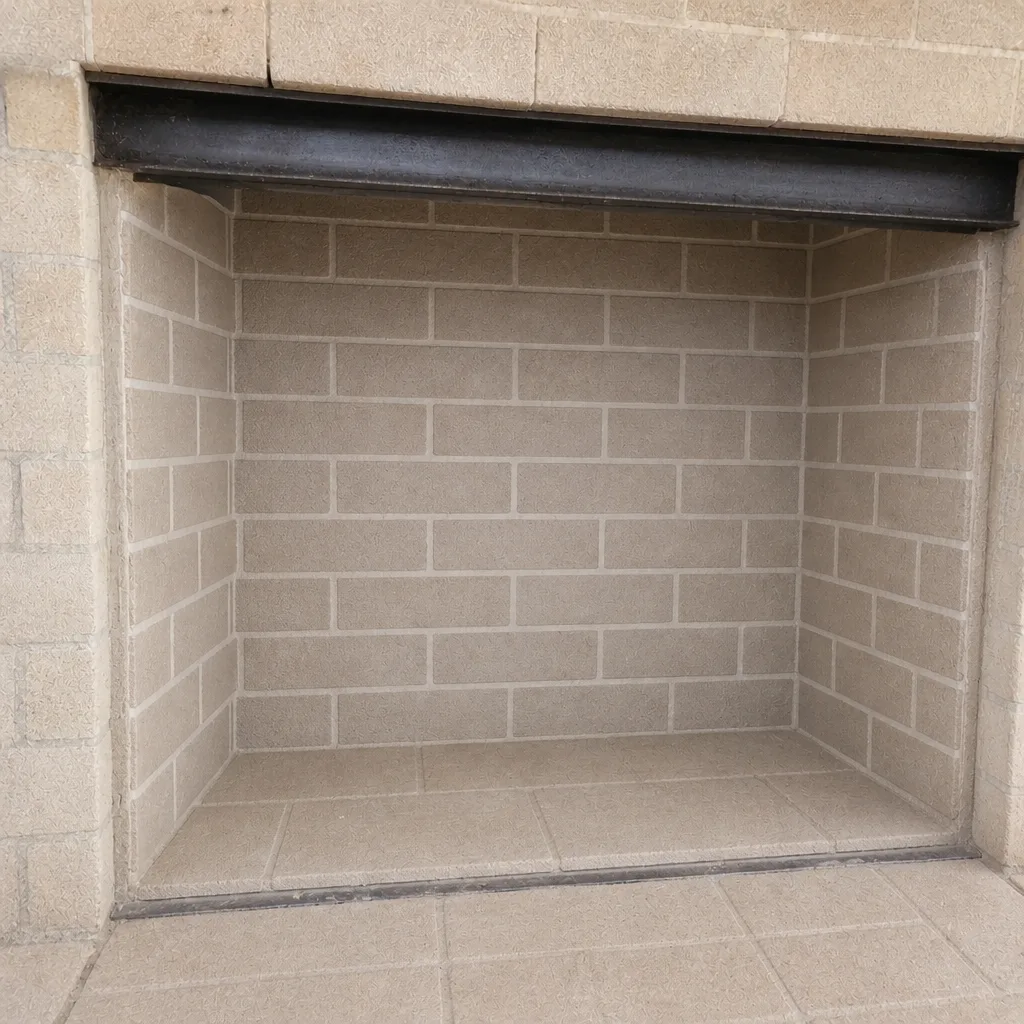
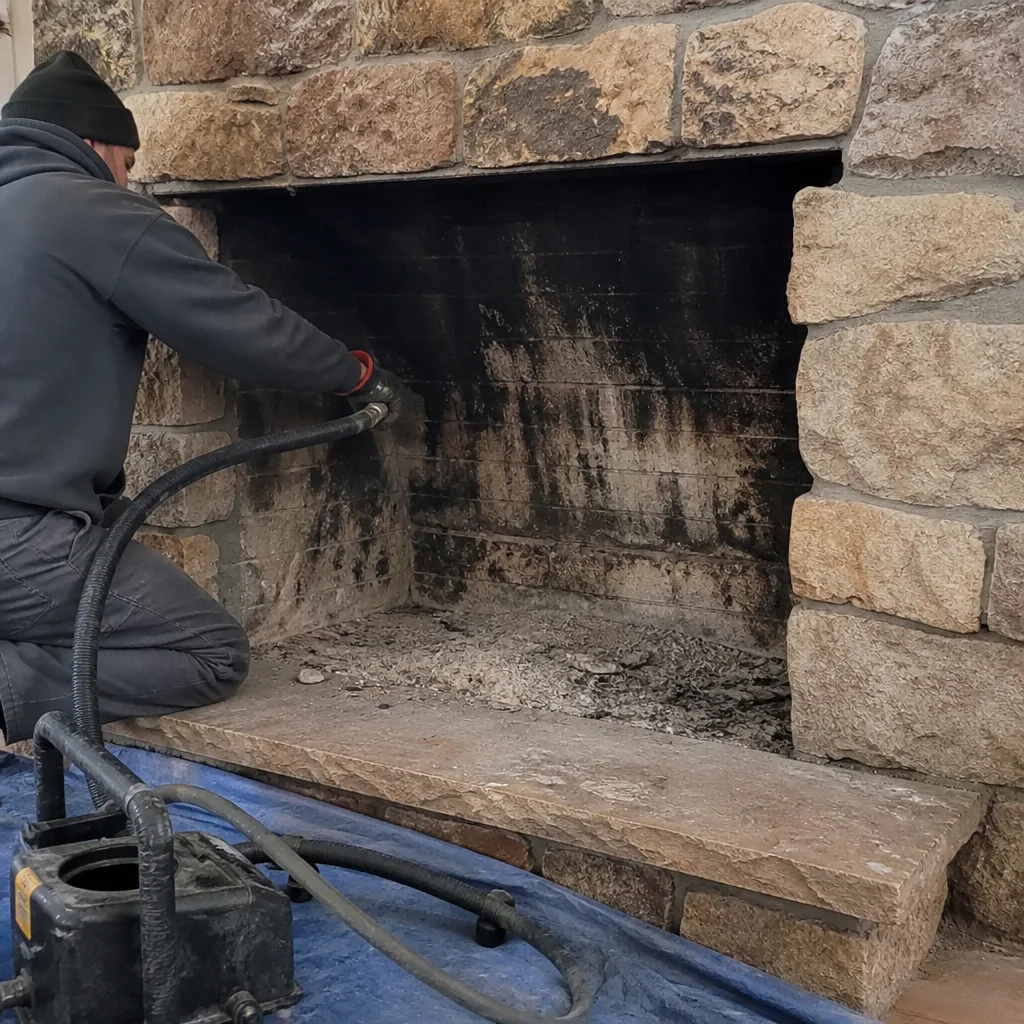
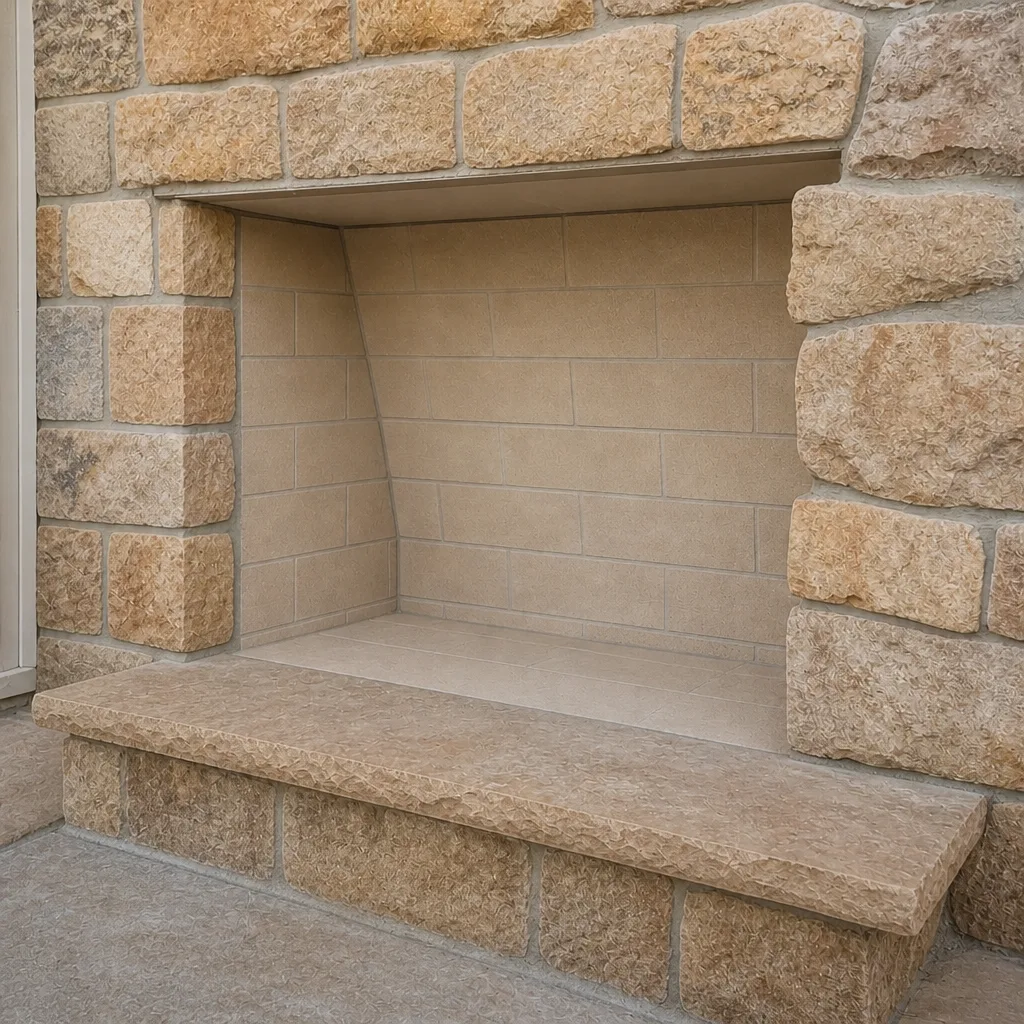
See the difference
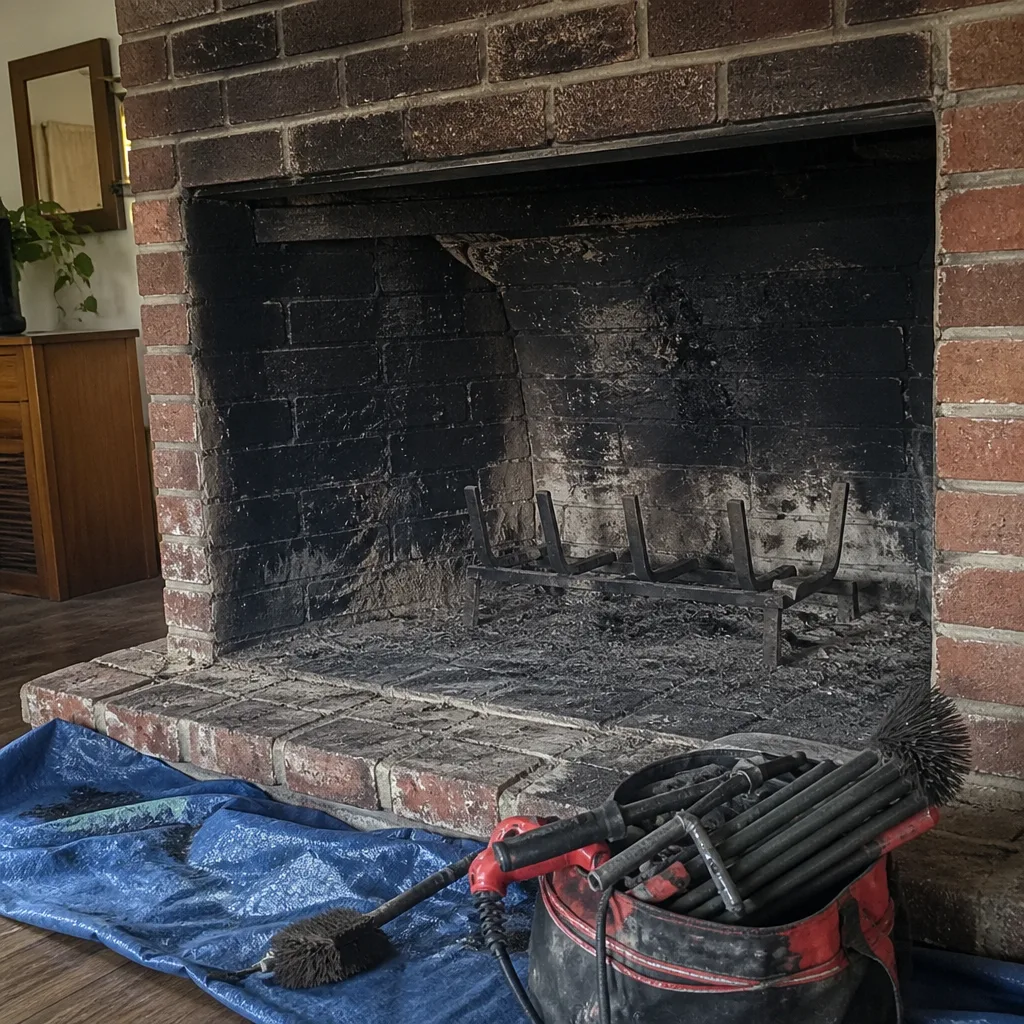 Before
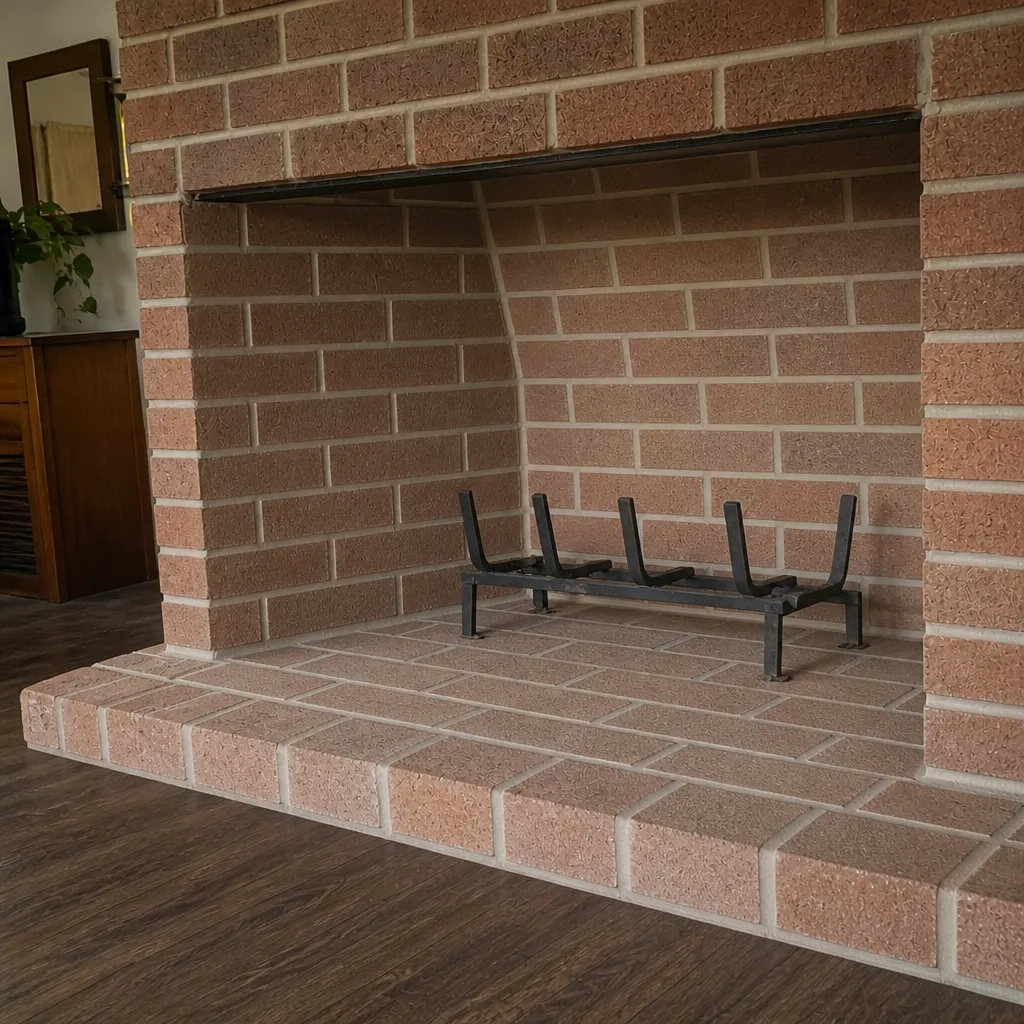 After
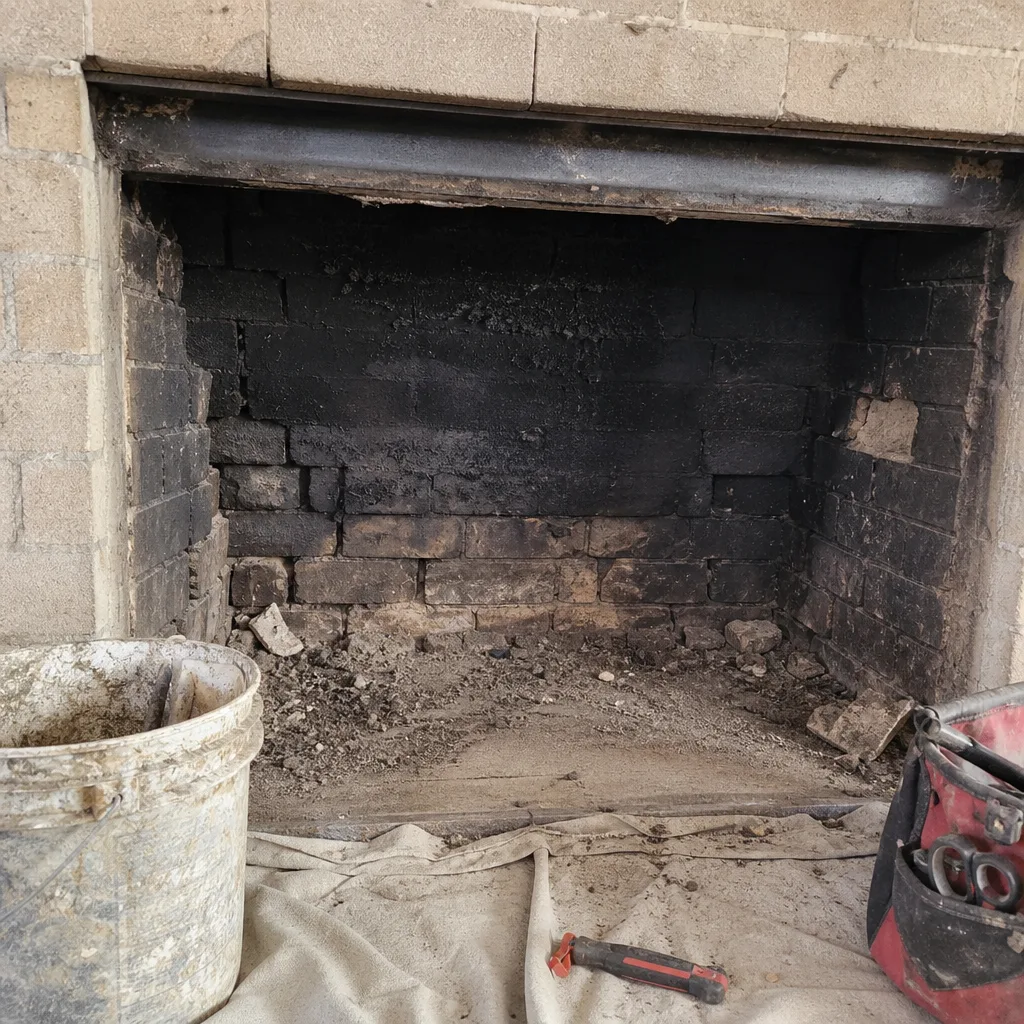 Before
 After
 Before
 After
When to Call a Professional
Some things are worth a professional’s eyes without delay: any odor inside the house when the fireplace isn’t in use, staining on the chimney exterior or the ceiling near it, crumbling mortar at the crown, a cap that’s missing or loose, or a flue that hasn’t been inspected in over a year. If you’re planning to sell, a Level 2 inspection before listing is money well spent. If you’re seeing signs of liner damage, don’t run another fire until it’s been checked – a compromised liner is a carbon monoxide pathway, and that’s not a risk worth carrying. Chimney Sweep Erie offers free estimates in Erie. Call (833) 468-5631 to book a visit and get the scope documented before any repair work begins.
Frequently Asked Questions
No. Routine chimney cleaning and inspection are maintenance and do not require a permit in Erie or anywhere in Colorado. The permit requirement kicks in when the scope moves from cleaning to repair – liner replacement, structural masonry, or gas appliance connections are the common triggers. Call (833) 468-5631 if you want us to walk through whether your specific job needs one.
In most cases, yes. Liner replacement is a construction alteration and typically requires a permit from the Town of Erie or the relevant county. The permit process includes an inspection that verifies the liner was installed to NFPA 211 standards and that clearances are correct. Confirm with your jurisdiction before work starts – and confirm the contractor will pull the permit.
NFPA 211 is the national standard for chimneys, fireplaces, and venting systems, and it’s the reference point behind local codes and inspection criteria. It applies to your chimney whether or not a specific local ordinance cites it, because insurers and home inspectors use it as the benchmark. When we install DuraFlex or resurface with HeatShield, we’re working to that standard.
You may have to disclose it, and the buyer’s inspector can flag it, which can trigger renegotiation or a repair demand. Colorado requires sellers to disclose known material defects and unpermitted work. If you don’t know whether prior work was permitted, a Level 2 inspection with a camera gives you the answer before a buyer finds it. Call (833) 468-5631 to schedule one.
Once a year is the standard recommendation for a chimney in active use. Erie’s freeze-thaw cycles mean exterior masonry and crowns can degrade faster than in milder climates, so the annual look catches small issues before they become structural. A Level 2 inspection is also warranted before a home sale or after any chimney fire.
It depends on the scope, and “small” isn’t a code category. Crown replacement and damper work can be routine maintenance; liner and structural work almost never are. The honest answer is that the scope determines the requirement, not the size of the check. Ask the jurisdiction directly and get the response in writing, then have the contractor confirm in the estimate.
The Bottom Line
Chimney cleaning is maintenance and needs no permit. Chimney repair usually does, and the permit obligation belongs to the contractor, not to you. Erie’s split county situation means your first step is confirming which jurisdiction has authority over your address. NFPA 211 is the standard behind local codes and the reference insurers and inspectors use, so it’s the benchmark any repair should meet. If prior work on your chimney is undocumented, a Level 2 inspection with a camera report tells you what you have. Keep the paperwork. It’s your protection at an insurance claim or a closing table.
Chimney Sweep Erie handles the full system – sweeping, inspection, fireplace and chimney repair, cap and crown work – so the scope and the permit conversation stay with one team. Our technicians have up to 9 years of experience, and every estimate is free and set per job in writing. Call (833) 468-5631 for a free estimate. We answer 24/7. Fast dispatch, 7am-7pm, Sunday through Friday.
Written by the team at Chimney Sweep Erie.