
Last updated November 24, 2026
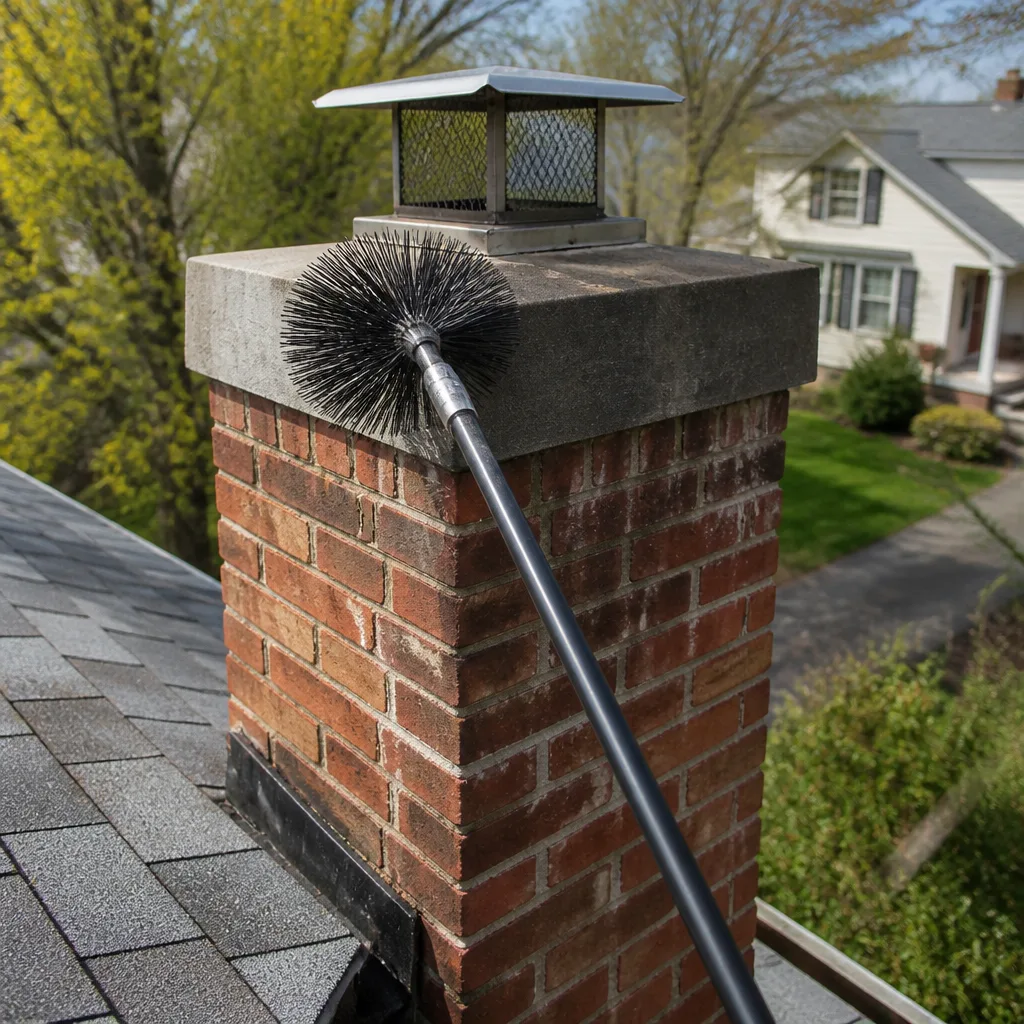 Sweep & inspection
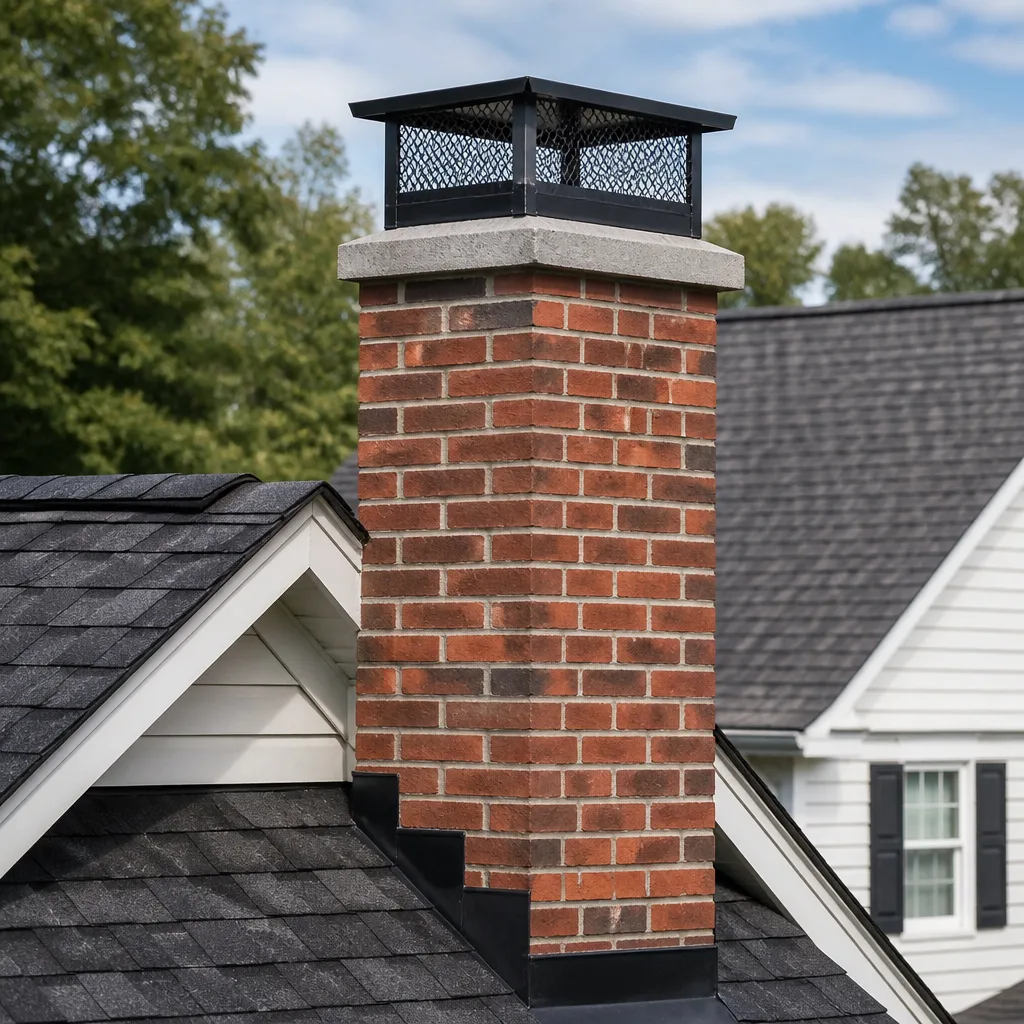 Caps & crowns
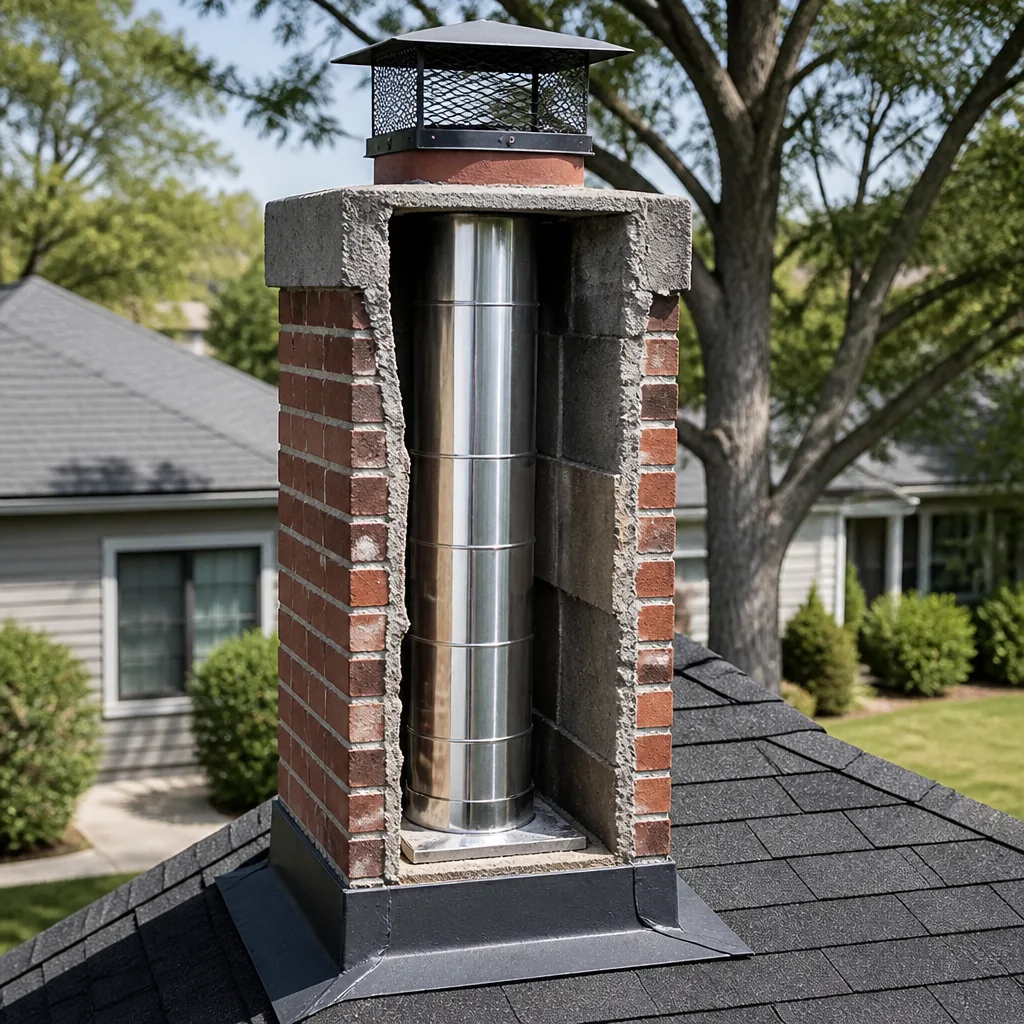 Flue relining
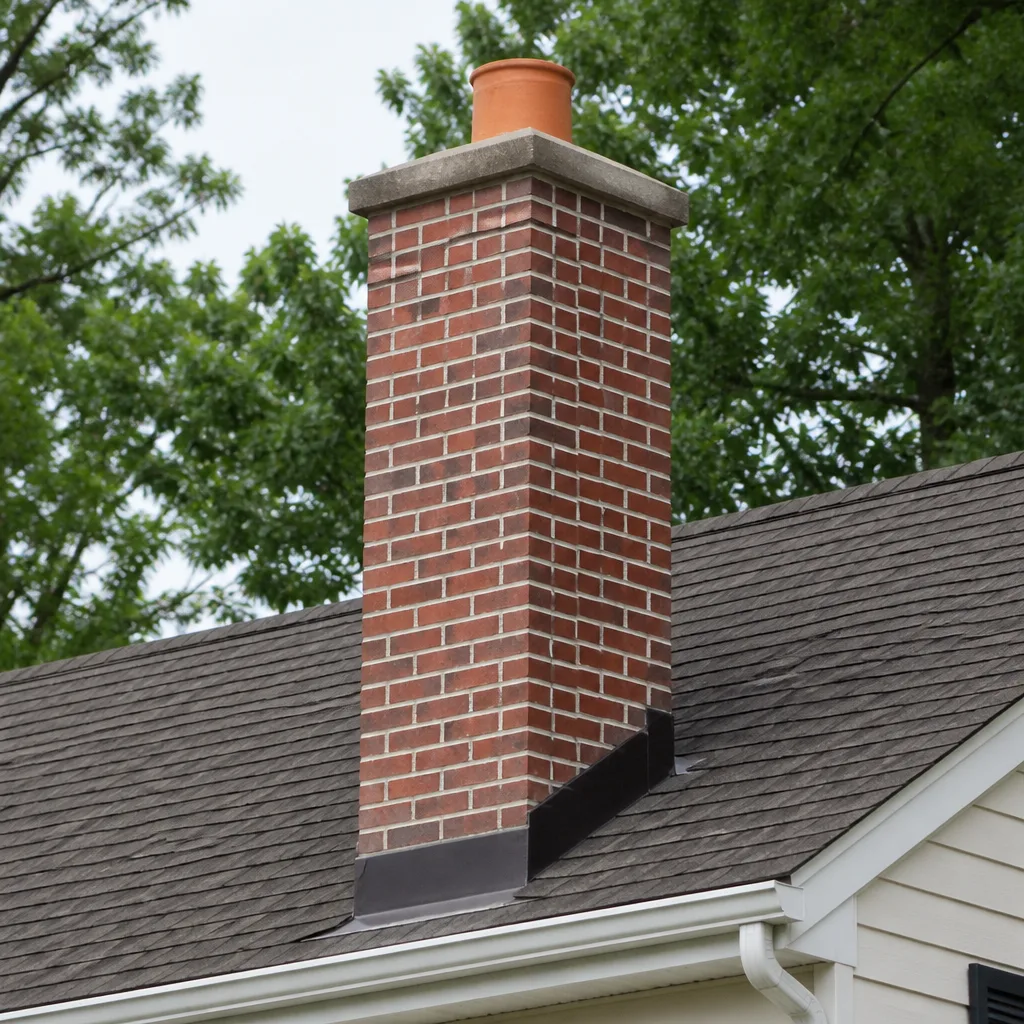 Masonry repair
 Gas fireplace service
Level 1 sweep and inspection to the NFPA 211 annual standard - flue, crown, cap, and flashing checked and photographed
Chimney sweep logs do not sweep chimneys. They loosen some creosote - which then falls where a brush and vacuum still have to collect it.
The Complete Guide to Chimney Cleaning in Erie
Most chimney advice floating around assumes you live at sea level. You don’t. Erie sits above 5,000 feet, where thinner air changes how a fire burns, how completely wood gases combust, and how quickly creosote forms on the inside of a flue. That single fact reshapes almost everything about chimney care here, yet national checklists rarely mention it. This guide walks through the whole chimney system in plain terms, from the firebox to the cap, so you understand what’s actually being cleaned, why each part matters, and how to tell a thorough service from a quick brush-and-go. If you heat with wood in Erie, this is the context you’ve been missing.
Quick Answer
Chimney cleaning in Erie means removing soot, ash, and creosote from the flue and firebox, then inspecting the full system, from crown and cap down through the liner and damper, for the blockages and damage that the local high-altitude, semi-arid climate tends to produce. A properly done annual cleaning combines sweeping with a CSIA-standard inspection, because cleaning one part while ignoring the rest leaves real risk in place. How often you need it depends on how much you burn, but most wood-burning households in Erie should have the chimney evaluated once a year.
Styles & brands we work with
- Sweep & inspection
- Caps & crowns
- Flue relining
- Masonry repair
- Gas fireplace service
Table of Contents
- Why Erie’s Elevation Changes Chimney Cleaning
- The Anatomy of a Chimney: What Gets Cleaned and Why
- The Three Stages of Creosote and What Removes Each
- CSIA Inspection Levels: Which One Applies to You
- What a Full-System Cleaning Visit Should Include
- How Often Should an Erie Chimney Be Cleaned?
- Common Mistakes to Avoid
- Frequently Asked Questions
Why Erie’s Elevation Changes Chimney Cleaning
At altitude, the air is thinner, and that thinner air affects draft and combustion in ways that matter over a whole heating season. A fire needs oxygen, and it needs enough heat to burn off the gases that wood releases before those gases cool and condense on the flue walls. When combustion runs cool or incomplete, more of those gases deposit as creosote, and the difference adds up over months of burning. We’ve seen how quickly a flue can load up here compared with what a lower-altitude homeowner would expect, and it’s the main reason we treat annual evaluation as the baseline, not a suggestion.
Erie’s semi-arid climate brings its own pressures. Winters swing between cold snaps and warm, dry stretches, and the freeze-thaw cycle around the top of the chimney works on masonry, mortar, and the crown. Wind patterns along the Front Range push weather against the cap and crown, and when a cap is missing or damaged, water finds its way in. A wet flue combined with creosote is a worse situation than either on its own. That’s why cleaning and inspection belong together here: the brush clears the flue, and the inspection catches the water damage and cracks a brush can’t see.
One more local wrinkle: the higher the elevation, the more carefully you need to think about draft. A chimney that drafts weakly pulls smoke and gases up more slowly, leaving more residue behind. Homeowners sometimes blame their wood or their technique when the real story is the whole system working against thin air. Understanding that starts everything else in this guide.
The Anatomy of a Chimney: What Gets Cleaned and Why
A chimney is not a single tube. It’s a system of parts that each do a distinct job, and a thorough cleaning treats them as connected. When we handle the full chimney system, from the firebox to the crown, every component gets evaluated, not just the visible flue. Here’s what each part does and why cleaning one without inspecting the others leaves risk on the table.
- Firebox: Where the fire burns. Ash, soot, and crumbling firebrick collect here. Cracks in the firebox or its lining can let heat reach materials that were never meant to get hot.
- Damper: The metal plate that controls airflow up the flue. A damper that sticks open or closed changes draft and lets conditioned air escape.
- Smoke chamber: The transition area above the damper where smoke gathers before entering the flue. Soot loves to settle on the sloped surfaces here, and a brush that skips it leaves a shelf of debris behind.
- Flue and liner: The passage the smoke travels up. Creosote layers build here, and the liner, whether clay tile or a flexible stainless system, is what keeps combustion gases and heat inside the chimney.
- Chimney cap: The cover over the top that keeps rain, snow, birds, and debris out while letting smoke escape. A missing or rusted cap is one of the most common entry points for water damage.
- Crown: The concrete or masonry surface at the very top that sheds water away from the structure. A cracked crown lets moisture into the chimney body, and that’s where expensive damage begins.
Cleaning the flue and ignoring a cracked crown, or sweeping the firebox and never checking the liner, is exactly the incomplete service that leaves homeowners exposed. In our experience, a system where every part is checked catches problems while they’re still small and inexpensive. That’s the whole case for full-system care, and it’s why we treat cap and crown work as a service in its own right, not an afterthought to a sweep.
The Three Stages of Creosote and What Removes Each
Creosote forms in three stages, and each stage needs a different approach. Knowing the difference explains why some cleanings are a routine brush job and others require more. Here’s how it breaks down.
- Stage 1: Soot and flaky residue. A thin, dusty layer that brushes off easily with standard chimney brushes. This is what most annual cleanings deal with, and a sweep handles it cleanly.
- Stage 2: Crusty, hardened deposits. Creosote that has baked onto the flue walls into a firmer, sometimes tar-like crust. A basic brush pass won’t fully clear it, and the surface often needs targeted mechanical removal to come clean.
- Stage 3: Glazed, hardened glaze. The most stubborn stage, a glossy, glassy coating bonded to the liner. This is the creosote that concerns us most, because it’s dense and doesn’t respond to a routine sweep. Removing it may require more than brushing, and sometimes a chemical treatment to break it down is the right step before any mechanical work.
Here’s why this matters in Erie specifically. The same high-altitude combustion conditions that make incomplete burning more likely also tend to push faster creosote buildup, which means Stage 2 and Stage 3 deposits show up sooner than a lower-altitude homeowner might expect. When we find glazed creosote, the honest answer is that a standard sweep alone won’t fix it. We explain what stage we’re seeing, why it needs the treatment it needs, and we use HeatShield, the industry’s leading chimney resurfacing system, where the liner itself needs restoration after heavy deposits are cleared. Our technicians have up to 9 years of experience reading these deposits, and naming the material and the reason matters as much as the labor behind it.
Heavy creosote is a genuine fire hazard, not a scare tactic. It’s the fuel a chimney fire feeds on, so getting it fully removed and the liner restored is the responsible move. That’s a safety reason to act, and it never requires a hard sell.
CSIA Inspection Levels: Which One Applies to You
The CSIA (Chimney Safety Institute of America) sets three inspection levels, and which one you need depends on your situation, not on a contractor’s preference. Knowing the difference helps you ask the right questions.
- Level 1: A visual inspection of readily accessible portions of the chimney and venting, using basic tools. This is the standard for a typical annual cleaning when nothing has changed and no known problem exists. Most Erie homeowners’ routine yearly visits fall here.
- Level 2: Everything in a Level 1 plus inspection of accessible areas that a Level 1 doesn’t reach, often using a camera. It applies after a change in the system, such as a new appliance, a home purchase, a liner replacement, or a suspected problem from a fire or damaging event.
- Level 3: The most involved level, done when a serious hazard is suspected and parts of the chimney need to be accessed in ways that may require removing components. Level 3 is reserved for specific, serious situations.
For a typical annual cleaning in Erie, a Level 1 inspection is usually what’s called for. If you’ve just bought the house, changed appliances, or had a chimney fire or damage, a Level 2 is the correct step. We name the level we’re doing and why, because “one inspection can tell you exactly what your chimney needs, and what it doesn’t” is the standard we hold ourselves to. You should never have to guess which level you got.
What a Full-System Cleaning Visit Should Include
A genuinely thorough cleaning visit follows a clear sequence, and a homeowner who knows the steps can tell the difference between a real full-system service and a quick brush. Here’s what to expect, in order.
- Set up and protect the space. Drop cloths and containment around the firebox keep soot and dust out of your home during the work.
- Inspect before sweeping. The system gets checked first, so the sweep is planned around what’s actually there, including any glazed creosote or damage that changes the approach.
- Sweep the full flue. The right brushes for the liner type clear the flue from top to bottom, with the smoke chamber and firebox addressed as part of the same job, not skipped.
- Camera inspection where needed. A camera lets us see the liner interior and confirm the flue is fully clear and intact, so the findings are based on evidence, not a guess.
- Evaluate the cap and crown. The top of the system gets checked for a missing or damaged cap, a cracked crown, or anything that lets water in, because those are the common entry points for the expensive repairs down the road.
- Explain findings and options. You should hear what was found, what it means, and what can safely wait, with the work done under one roof so there’s no handoff to a second contractor mid-project.
Fireplace repair and chimney repair are part of the same conversation when the inspection turns up something. We work with professional-grade materials like DuraFlex flexible liner systems and Olympia Chimney components, so a repair done after a cleaning is built to last rather than patched with off-the-shelf substitutes. If the visit also flags a firebox that needs attention, our fireplace repair service handles it without a separate call to someone else.
How Often Should an Erie Chimney Be Cleaned?
For most Erie households, the honest answer is once a year, evaluated at the start of the heating season, and more often if you burn heavily or notice warning signs. Frequency isn’t a fixed number for everyone. It depends on how much wood you burn, how well your fire drafts, and what the inspection finds. A lightly used fireplace with clean-burning habits may get by on the yearly visit. A household that burns daily through the cold months should expect closer attention.
Signs that you shouldn’t wait for the annual appointment include:
- A strong, smoky odor that lingers even when the fireplace is cold.
- Visible soot or black staining around the firebox or on the chimney exterior.
- Crumbling mortar or a cracked crown at the top of the chimney.
- A missing or rusted-out cap.
- Smoke rolling back into the room instead of going up the flue.
Any of these is a reason to have the system looked at rather than assume it will be fine until next year. If you’re due, a professional chimney sweep visit covers both the cleaning and the inspection that tells you where things stand.
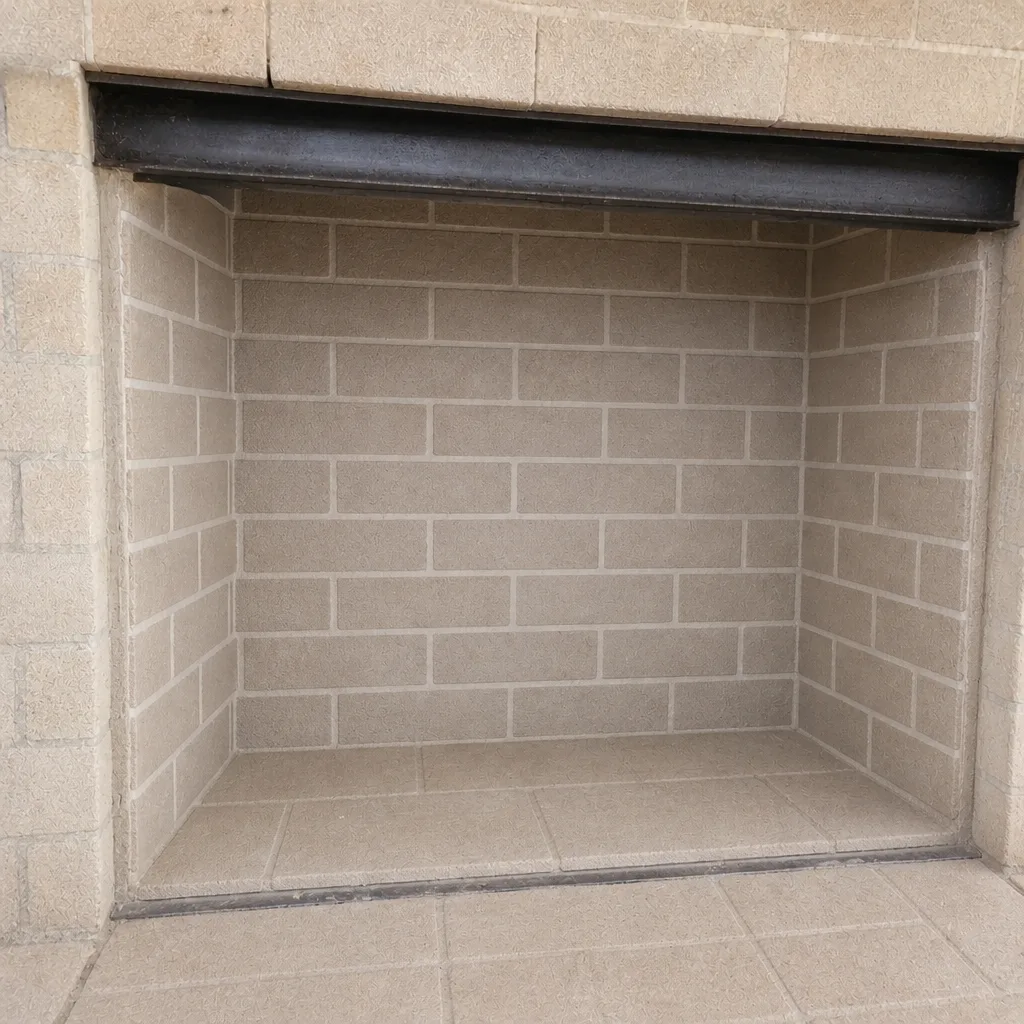
See the difference
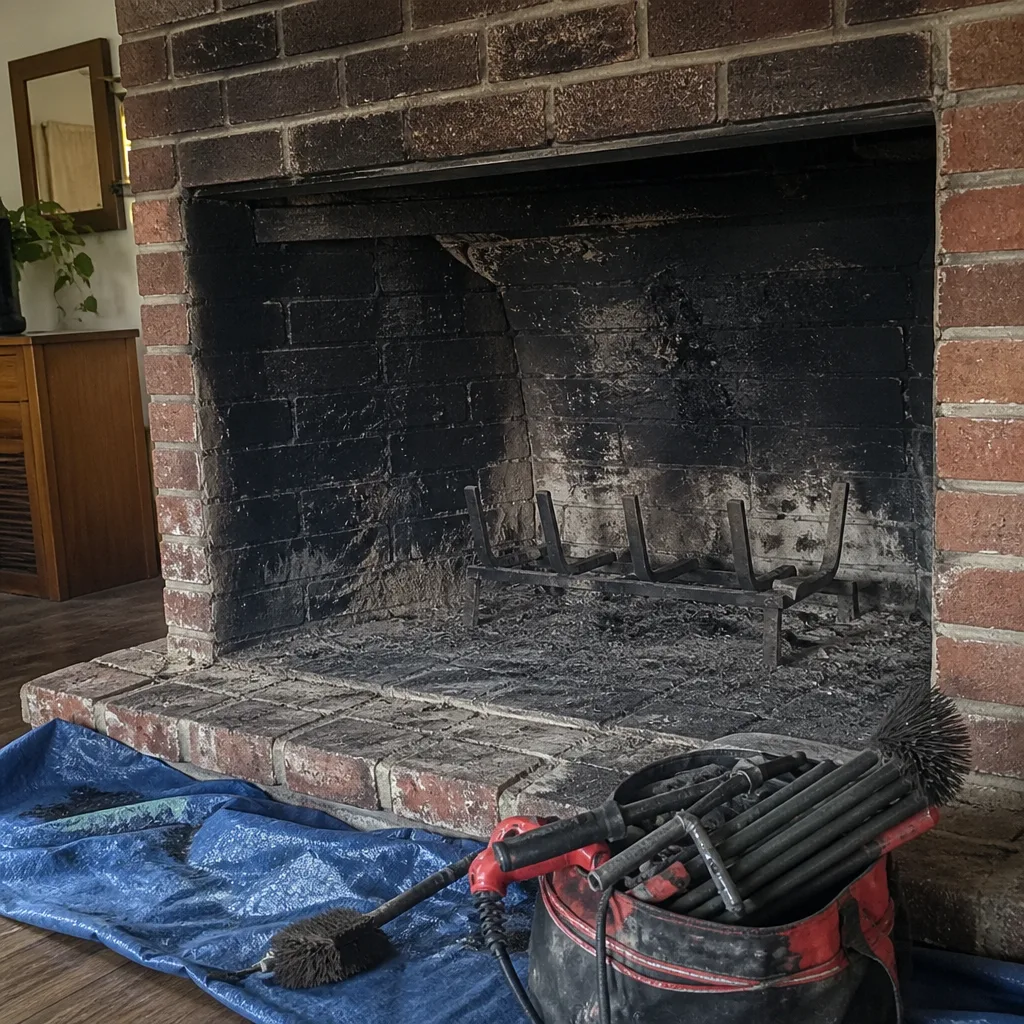 Before
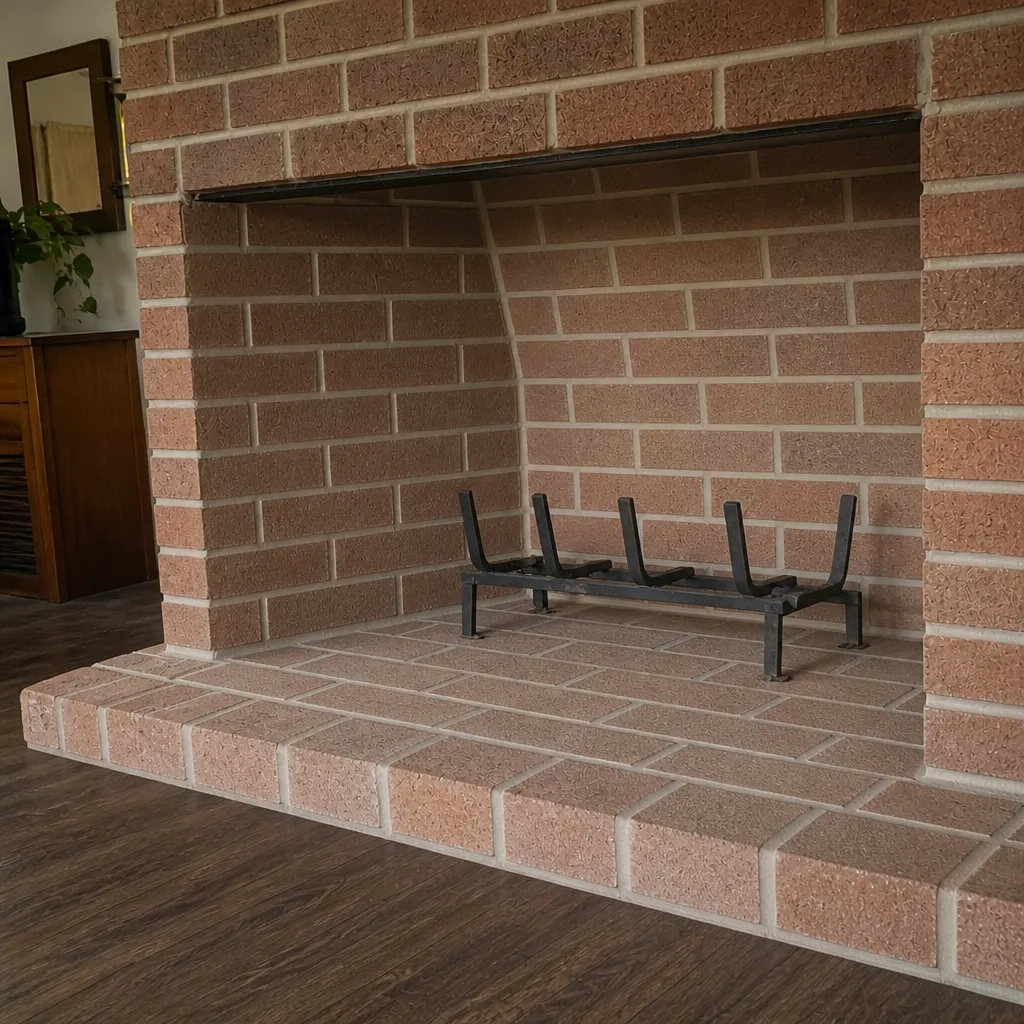 After
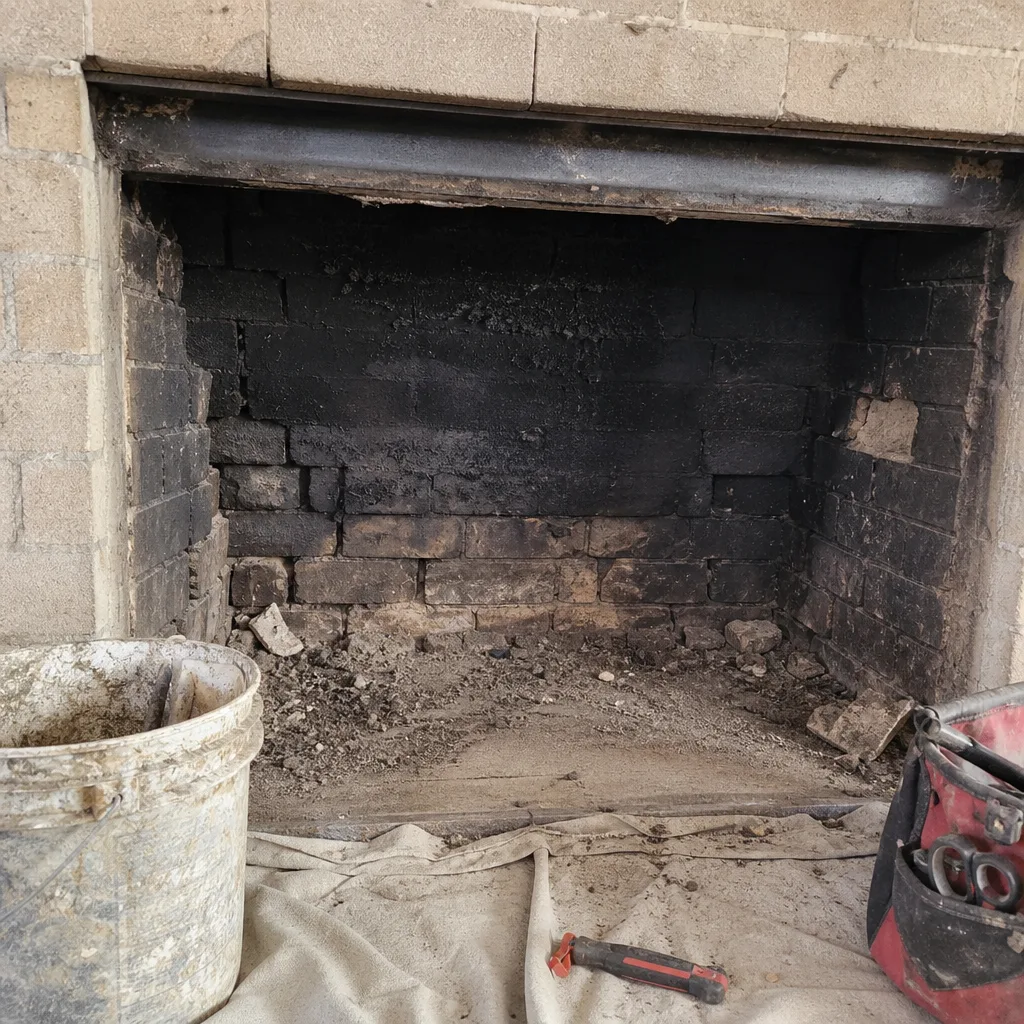 Before
 After
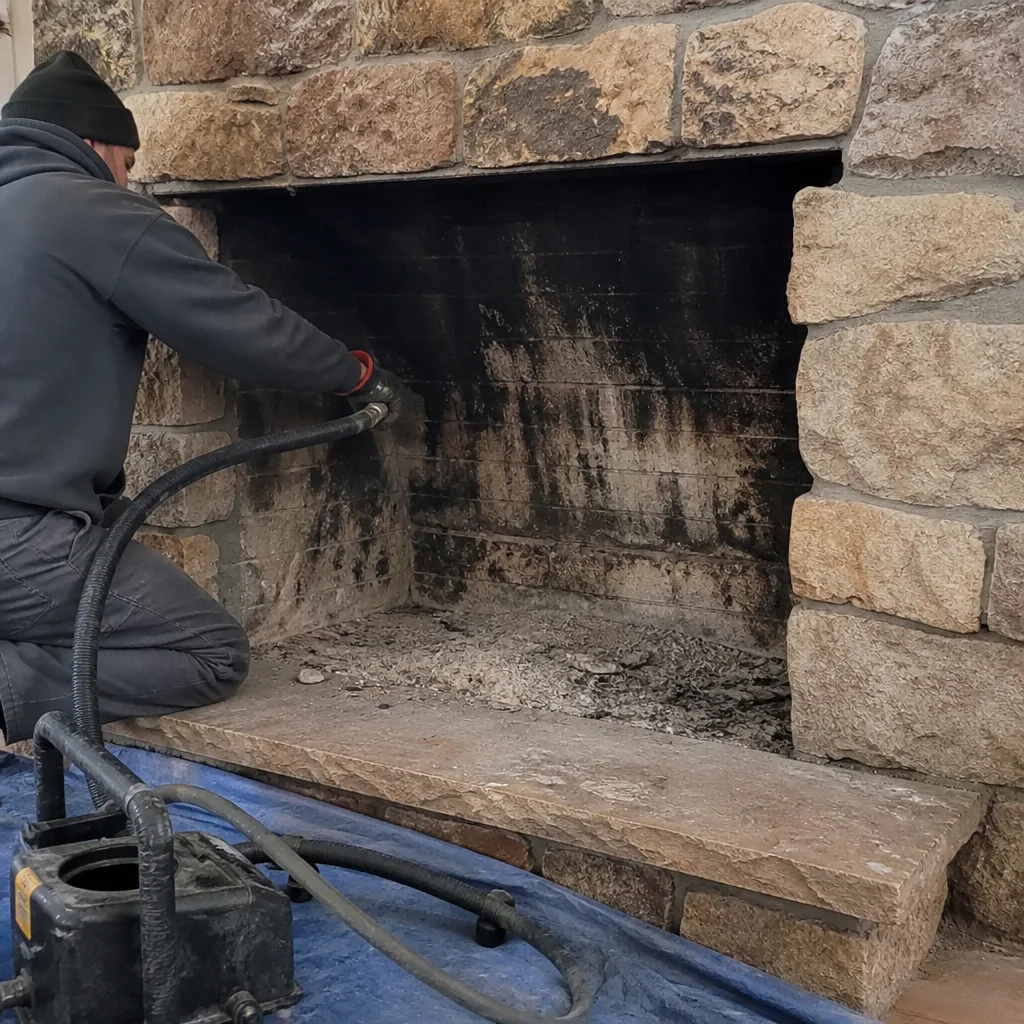 Before
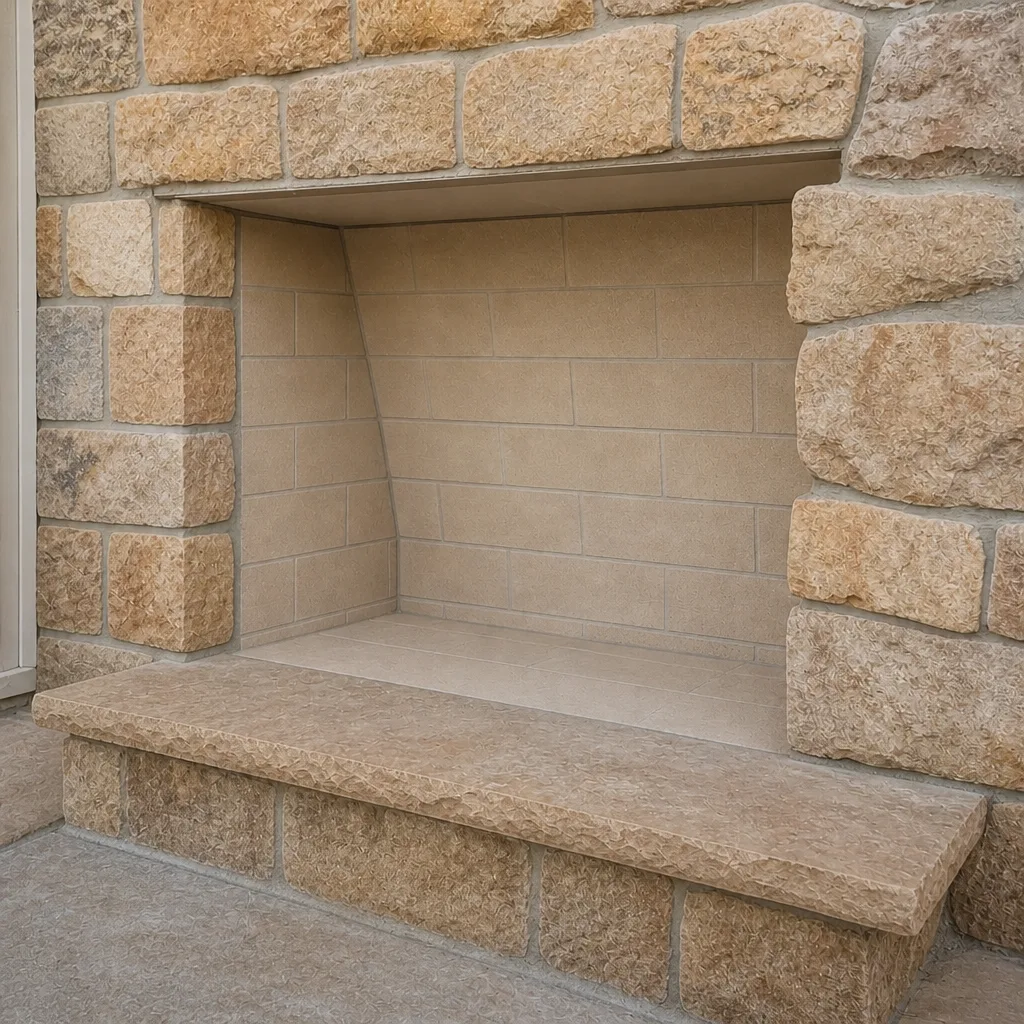 After
Common Mistakes to Avoid
- Cleaning the flue and skipping the cap and crown. The top of the system is where water damage usually starts in Erie, so a sweep that never checks it misses the most common failure point.
- Assuming a brush clears every creosote stage. Stage 3 glazed creosote doesn’t come off with routine brushing, and treating it like Stage 1 leaves the hazard in place.
- Skipping the inspection after a cleaning. A sweep clears the flue, but only an inspection confirms the liner is intact, the damper works, and nothing else has changed.
- Burning green or unseasoned wood to save money. Wet wood burns cooler and incompletely, and that means faster creosote buildup in a climate where buildup already runs high.
- Ignoring a smoky smell or staining until fall. Warning signs show up in the off-season, and addressing them before the heating season is far easier than after.
- Hiring a generalist to diagnose chimney trouble. A specialist whose entire trade is chimneys reads flues, fireboxes, and masonry differently than someone splitting attention across several trades.
When to Call a Professional
Call a professional when you notice any warning sign, not just at the annual mark. A smoky odor that won’t clear, soot or staining, crumbling mortar, a cracked crown, a missing cap, weak draft, or smoke backing into the room all point to something worth a proper look. If you’ve had a chimney fire, even a small one, or you’ve just bought the home and don’t know the chimney’s history, that’s a Level 2 inspection situation. And any time creosote looks thick or glazed, leave the removal to someone trained to handle it safely. Chimney Sweep Erie offers free estimates in Erie; call (833) 468-5631. We answer 24/7, and fast dispatch runs 7am to 7pm, Sunday through Friday.
Frequently Asked Questions
Most Erie chimneys should be evaluated once a year, and more often if you burn heavily or notice warning signs like odor, staining, or a failing cap. The high-altitude, semi-arid climate tends to build creosote faster than lower-altitude regions, so the annual visit is the safe baseline. Call (833) 468-5631 for an exact quote; estimates are free.
Thinner air at over 5,000 feet changes how completely wood burns, which can mean more creosote deposits over a heating season. That’s why we inspect the full system and read the creosote stage before deciding what a cleaning needs. It’s the local factor national guides tend to skip. Call (833) 468-5631 for an exact quote; estimates are free.
A Level 1 is a visual check of readily accessible parts and is standard for a routine annual cleaning, while a Level 2 adds inspection of areas a Level 1 doesn’t reach and applies after a home purchase, an appliance change, or a suspected problem. We tell you which level we’re doing and why. Call (833) 468-5631 for an exact quote; estimates are free.
No. Glazed creosote is a hardened, glassy stage that a routine brush won’t clear, and it may need chemical treatment before mechanical removal, with HeatShield resurfacing where the liner needs restoring. That’s a safety matter, not a routine brush job. Call (833) 468-5631 for an exact quote; estimates are free.
A full-system visit includes setup and protection, an inspection before sweeping, cleaning of the flue, smoke chamber, and firebox, a camera check where needed, and an evaluation of the cap and crown. You should be told what was found and what can safely wait. Call (833) 468-5631 for an exact quote; estimates are free.
It depends on what the inspection and camera find, which is why we show you the evidence rather than just telling you. Some liners can be restored with HeatShield resurfacing, while others call for a DuraFlex flexible liner system, and we’ll explain which and why. Call (833) 468-5631 for an exact quote; estimates are free.
The Bottom Line
Chimney cleaning in Erie is a system-level job, not a single brush pass. The altitude and semi-arid climate shape how creosote forms, the three stages need different treatment, and the cap and crown are where water damage quietly starts. A thorough visit combines cleaning with a CSIA-standard inspection, tells you the creosote stage and inspection level, and shows you the evidence for any repair recommendation. When you’re ready for a full-system look at your chimney, our chimney repair team and cleaning crew are here. Chimney Sweep Erie offers free estimates: call (833) 468-5631. We answer 24/7, fast dispatch from 7am to 7pm, Sunday through Friday. You can also start at Chimney Sweep Erie to see the full range of services.
Written by the team at Chimney Sweep Erie.