
Last updated November 24, 2026
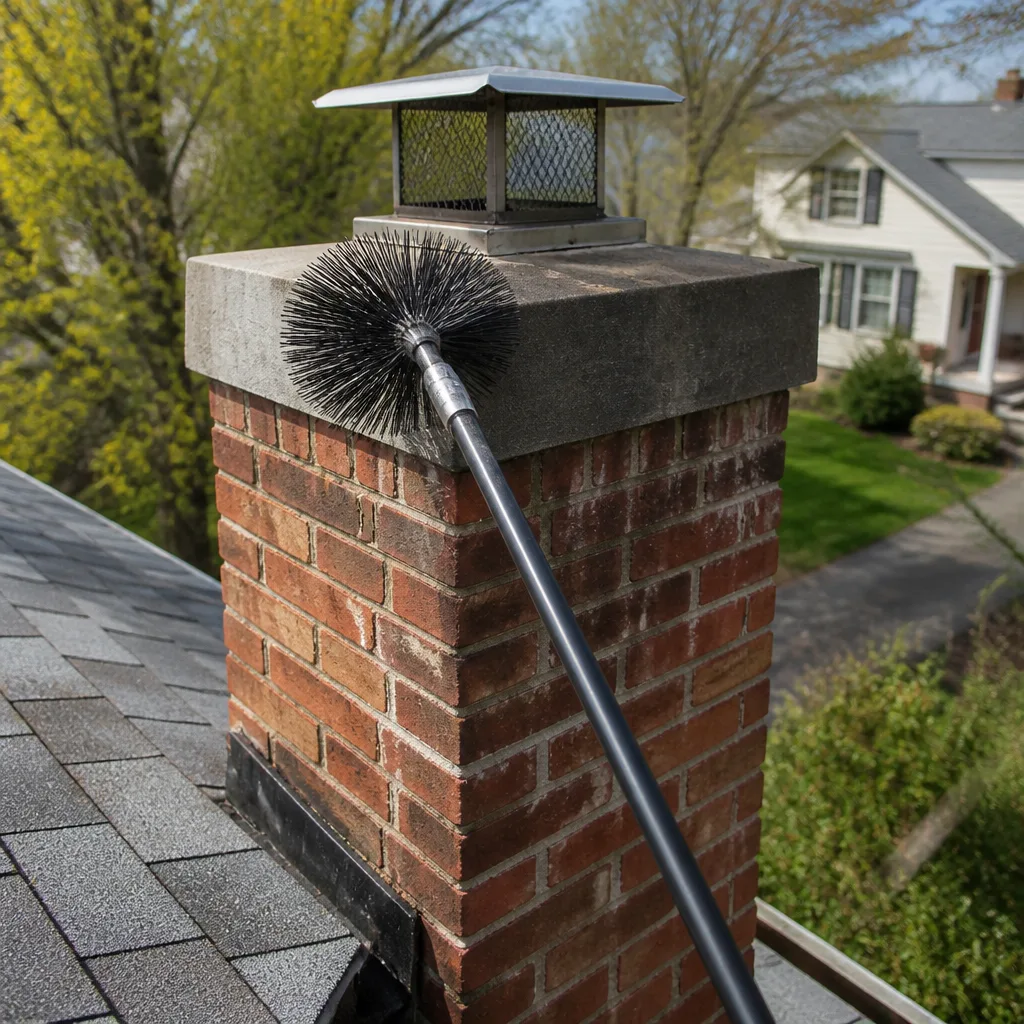 Sweep & inspection
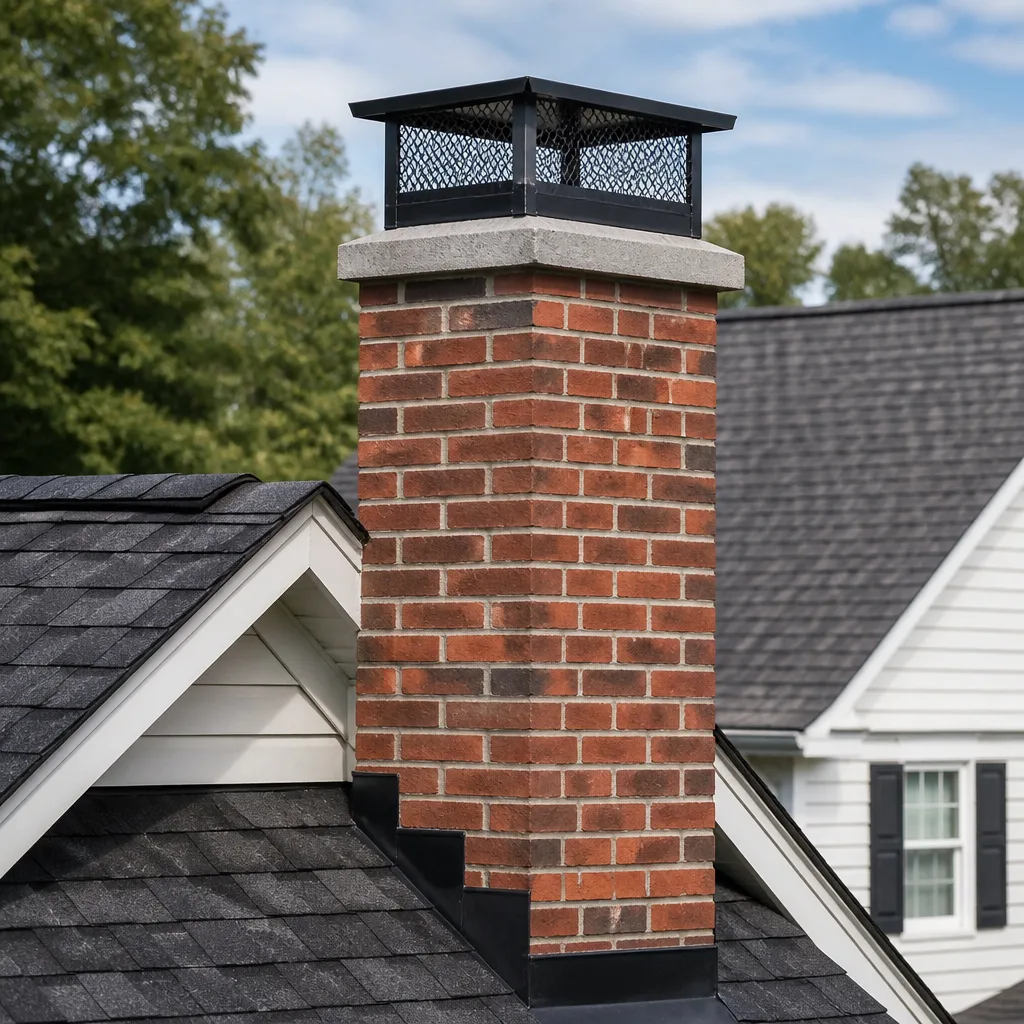 Caps & crowns
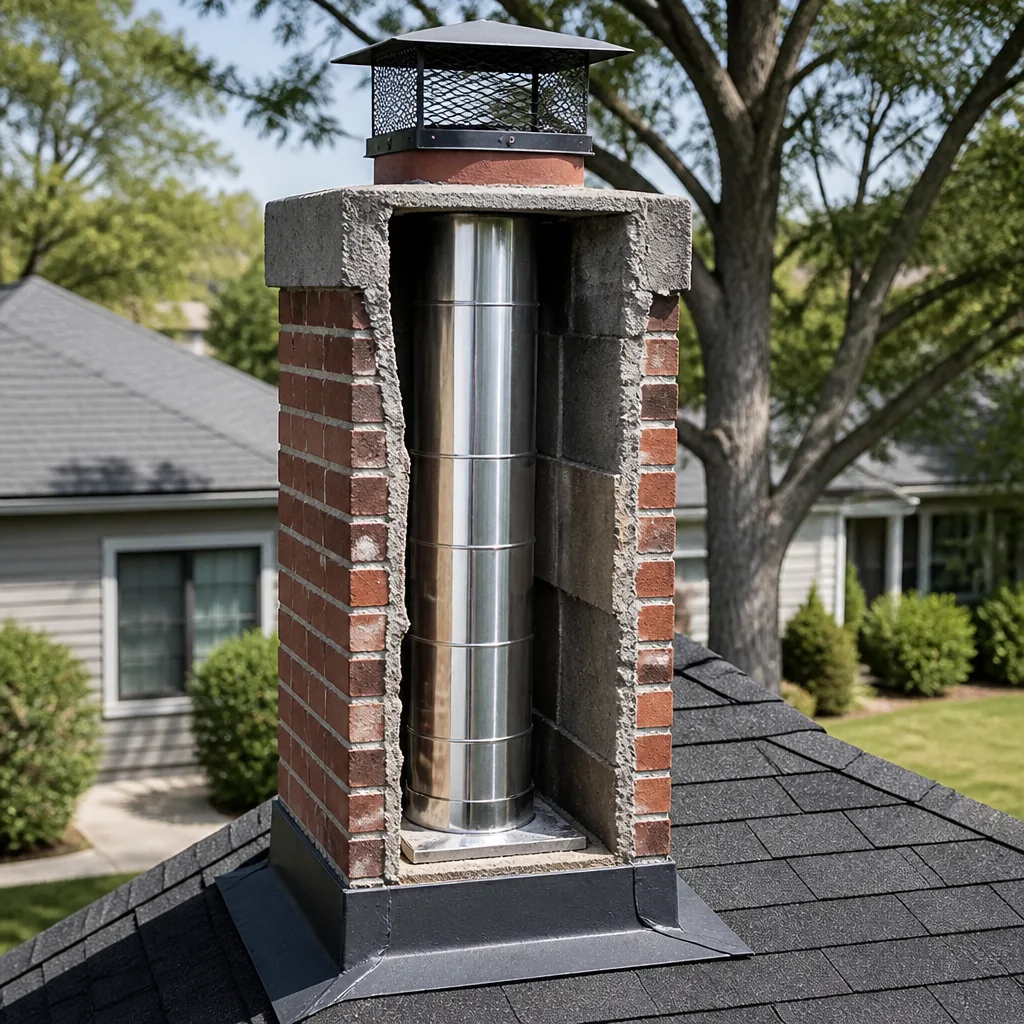 Flue relining
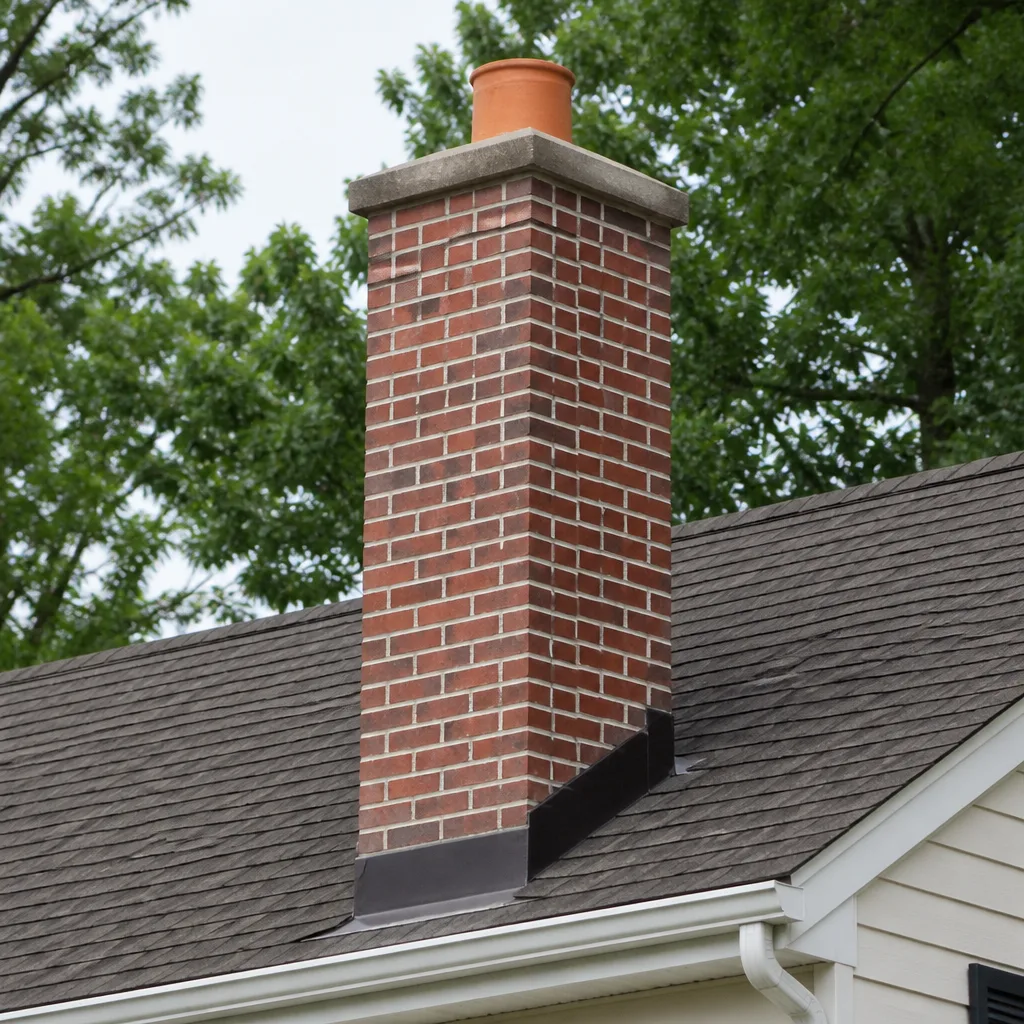 Masonry repair
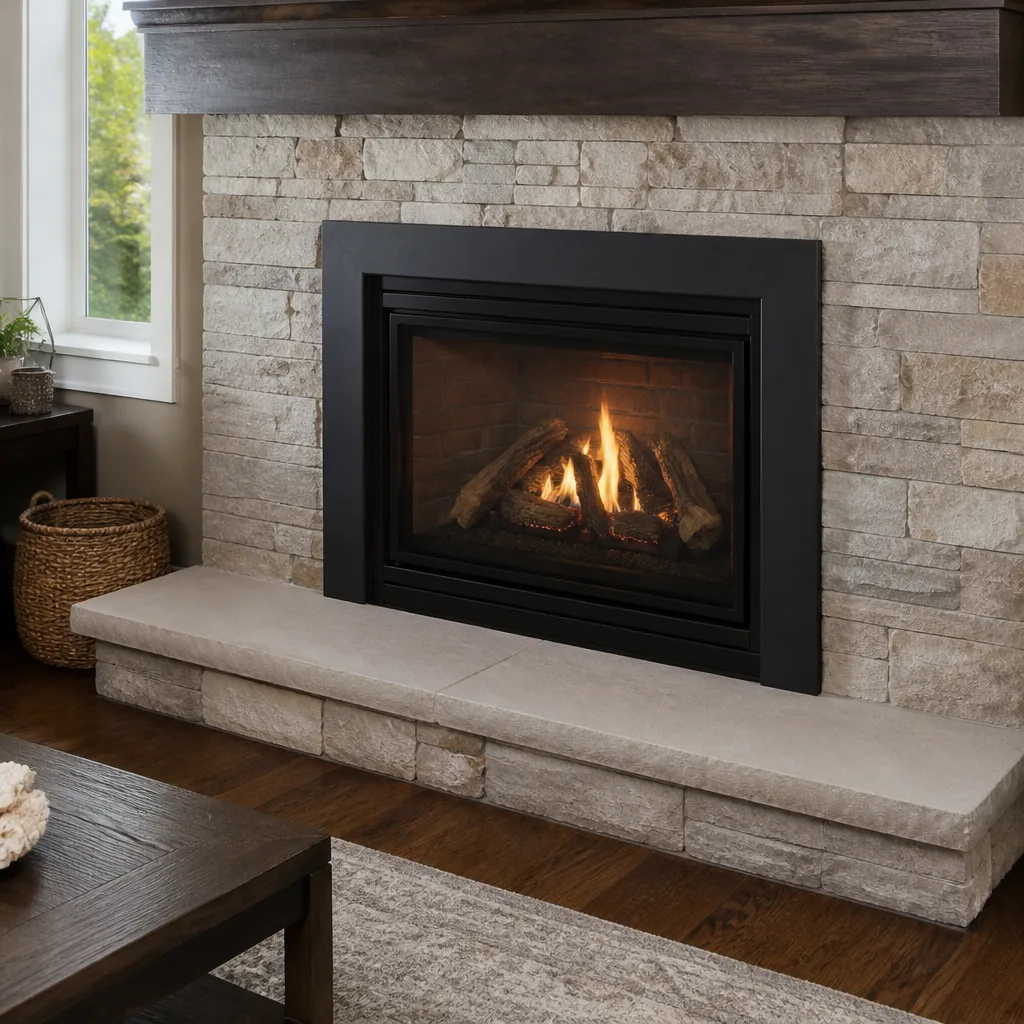 Gas fireplace service
Level 1 sweep and inspection to the NFPA 211 annual standard - flue, crown, cap, and flashing checked and photographed
Chimney sweep logs do not sweep chimneys. They loosen some creosote - which then falls where a brush and vacuum still have to collect it.
Chimney Cleaning Warning Signs: An Erie Homeowner’s Reference Guide
A smoky smell in your living room on a warm day when you haven’t used the fireplace isn’t a draft quirk. It’s often the first sign that creosote has reached a gummy, off-gassing stage and is pushing odor back through a damper that no longer seals tight. That smell is arriving months before a chimney fire would, and it’s announcing a problem you can still fix at the cheap end. Most of the warning signs homeowners notice are downstream symptoms of conditions that were detectable much earlier, if you knew what to look for. This guide works backward from each visible sign to the condition behind it, so you can act at the earlier, cheaper stage of a chimney problem. We’ve written it specifically for Erie’s high-wind, dry-climate, altitude combustion conditions, which make chimneys behave differently than the generic national guides describe.
Quick Answer
The main chimney cleaning warning signs are: smoke rolling back into the room instead of drafting up, a smoky or acrid smell even when the fireplace is cold, a damper that feels gritty or won’t close flush, dark or oily staining around the firebox, white powdery streaks on exterior brick, a loose or displaced cap, cracked crown mortar, and gaps where the flashing meets the roofline. Any of these means the flue needs to be seen by a chimney specialist. The most serious signs (heavy smoke backdrafting, a strong smell with visible creosote glaze, or a damaged cap exposing the flue to weather) mean stop using the fireplace until it’s inspected. In Erie, altitude and wind make several of these appear sooner and faster than flatland guides suggest.
Styles & brands we work with
- Sweep & inspection
- Caps & crowns
- Flue relining
- Masonry repair
- Gas fireplace service
Table of Contents
- Interior Warning Signs You Can See and Feel
- Smell and Backdraft: What They Actually Indicate
- Exterior Warning Signs Visible From the Ground
- Creosote Stages and Why the Number Matters
- Immediate Stop-Use vs. Schedule-Soon Signs
- How Erie’s Wind, Dry Air, and Altitude Change the Signs
- What Happens During a Cleaning and Inspection
- Prevention: The Signs You Can Stop Before They Start
Interior Warning Signs You Can See and Feel
Interior signs are the ones you notice without climbing onto the roof, and they’re often the earliest hints a chimney gives you. The trick is reading them as system-level information rather than isolated annoyances. A smoking fire isn’t just a smoking fire; a damper that feels rough isn’t just worn. Each one points to a specific component that needs attention.
Here’s what to look for inside, and what each sign tends to mean:
- Smoke spilling into the room at startup: usually reduced draft, often from a partially blocked flue or a firebox that’s been modified in a way that disrupts airflow. In Erie, cold dense air at altitude can worsen the first few minutes of a fire, but persistent spillover is a draft problem, not a temperature one.
- Smoke that rolls back after the fire is going strong: this points to a flue obstruction – soot buildup, a nest, a collapsed liner section, or a cap that’s become blocked by debris.
- A gritty or stuck damper: rust, corrosion, or creosote bridging the damper plate. A damper that won’t seal flush lets warm chimney air escape and cold room air leak in when the fireplace is idle.
- Oily, dark staining inside the firebox: creosote and soot deposits that have moved past the powdery stage. Oily staining often signals the flue is coating at the same level higher up.
- White or gray chalky stains on interior brick: moisture moving through the masonry. This is the interior version of efflorescence, and it usually means water is getting in somewhere above.
- Soot flakes falling into the firebox: loose deposits high in the flue that are releasing, often from a blocked or partially blocked cap or a liner seam that’s failed.
- A crack you can see when you look up the chimney: if the firebox liner bricks show visible gaps or cracks wider than a hairline, the firebox itself needs assessment.
One quick way to tell whether a fire is drafting well is to watch the smoke at startup. If it goes straight up the flue within a minute, draft is working. If it lingers, curls, or rolls into the room for more than a few seconds, there’s a draft problem the fire is telling you about. That’s a symptom worth getting ahead of. A chimney inspection is the way to see what’s behind the symptom before it becomes a firebox problem.
Smell and Backdraft: What They Actually Indicate
The smell is often the most misunderstood warning sign. A smoky odor in the living room when the fireplace is cold is not just “the smell of a fireplace.” It’s telling you something specific, and the pattern of when it appears narrows down the cause.
Creosote holds a smoky smell even when dry, but a smell that appears on warm, still days points to a different mechanism. Warm air outside pushes cooler air down the chimney, and if the flue is lightly coated with creosote, that descending air picks up the smell and delivers it through a damper that doesn’t seal. That gummy, off-gassing creosote is a sign of a buildup stage beyond dry soot, and it deserves a close look.
Here’s how to read the smell pattern:
- Smell only when the fireplace is burning: usually a draft issue, where smoke is being pulled back into the room instead of up the flue.
- Smell on warm, still days with the fireplace off: often creosote off-gassing plus a poorly sealing damper. This is a cleaning and damper-check combo.
- Smell after a chimney has been unused for a season: old deposits, dust, and possibly a nest or debris in the flue. A sweep will clear it.
- An acrid, burnt smell that lingers: creosote that’s been reheated and is now coating the flue. Stop using the fireplace and get an inspection.
- A damp, musty smell: water intrusion, not creosote. The source is usually a failing cap, crown, or flashing above.
If the smell comes with any smoke backdrafting into the room when a fire is burning, that’s the higher-priority combination. It means the flue isn’t clearing combustion gases the way it should, and carbon monoxide is the reason to take that seriously rather than just living with it. Fireplace repair that addresses the damper and firebox fit often solves the smell at the source.
Exterior Warning Signs Visible From the Ground
You can learn a lot about a chimney without ever getting on the roof. Standing at ground level on a clear day, a few minutes of looking tells you whether the exterior system is intact. Erie’s wind and dry summer conditions make exterior signs appear faster than you might expect, especially on west- and north-facing sides where weather hits hardest.
Walk the yard and look for these:
- Efflorescence (white, chalky, powdery streaks): this is salt pushed to the surface as water evaporates out of the brick, and it means moisture is entering the masonry somewhere above. It’s not cosmetic. It’s a pointer to a leak source.
- Cap displacement or missing cap: a chimney cap that’s tilted, rusted through, or gone lets rain and snow fall directly onto the flue and firebox. In Erie’s wind, a loose cap is a “schedule now” sign, not a “someday” sign.
- Crown cracking: the concrete crown at the top is meant to shed water away from the chimney. Hairline cracks can be sealed. Wide, splitting cracks that let water sit against the flue tile need repair.
- Flashing gaps at the roofline: the metal where the chimney meets the roof often pulls loose as a roof moves through freeze-thaw cycles. Dark staining on the roof decking near the flashing is a sign water is already getting in.
- Spalling brick: brick faces flaking or falling away. This is more advanced water damage and points to the masonry needing repair.
- Tilted or leaning chimney: rare, but a warning. This is a “call today” sign and the kind of thing that never fixes itself.
One general rule we share with Erie homeowners: if you can see white staining or crumbly mortar with your feet on the ground, water has been getting into the system for a while. The good news is that a cap and crown check together can catch the most common entry points early. A standalone chimney cap and crown service addresses the top-of-chimney water problem before it reaches the flue and the firebox.
Creosote Stages and Why the Number Matters
Creosote is the substance that makes chimney warning signs worth taking seriously. It’s a natural byproduct of wood combustion, and it deposits on the inside of the flue. It comes in three broadly recognized stages, and the stage determines how the chimney gets cleaned and how much risk the deposits carry.
Here’s a plain breakdown of the three stages:
- Stage 1: Soot and light flaky coating. Removed with a standard sweep. This is what routine annual cleaning is built for. Deposits are dry and powdery and brush off easily.
- Stage 2: Hard, crusty, or gummy deposits. More stubborn. This stage can off-gas the smoky smell you notice in the living room, and it usually needs a firmer cleaning approach than a light brushing. This is the stage most homeowners miss, because there’s no obvious flame hazard yet and no smoke rolling into the room – only the smell.
- Stage 3: Glazed, tar-like coating. The heaviest stage, sometimes described as glazed creosote. It’s hard to remove and is the stage most associated with chimney fire risk. It doesn’t happen overnight; it builds over repeated burning without adequate sweeping, often in a flue that’s been under-swept for more than a season.
The practical insight is that the “warning signs” a homeowner can see and smell are almost always somewhere between Stage 1 and Stage 2. That gap between what you notice (Stage 2 smell, visible staining) and what the fire risk actually is (Stage 3) is the margin you have to act. Cleaning at Stage 2 is a routine job. Addressing a flue that has reached Stage 3 or that’s had a chimney fire is a repair job.
If a heavy buildup is found during cleaning, the fix sometimes goes beyond sweeping. A damaged or heavily coated flue may call for resurfacing or a new liner, and materials matter here. HeatShield is used for chimney resurfacing and DuraFlex for flexible liner systems, because those are built for the heat and chemical environment inside a flue. This is why we name the brands we use: the materials behind a repair matter as much as the labor. Our technicians have up to 9 years of experience reading creosote stages and matching the cleaning approach to what the flue actually needs.
Immediate Stop-Use vs. Schedule-Soon Signs
Not every warning sign means the same thing. Some are true stop-use signs; some are “schedule soon” signs. Getting the priority right matters both for safety and for your wallet – stopping on a warning sign you could have fixed with a cleaning is unnecessary, and waiting on a stop-use sign is not worth the risk. Here’s how we break the signs down.
Stop using the fireplace and call for an inspection
- Visible glazed creosote (dark, shiny, tar-like coating on the flue walls).
- A chimney fire has happened. A roaring sound, a rumbling feel, or a sudden pop in the fire is a fire, even if it self-extinguished.
- Smoke rolls back into the room consistently when the fire is going strong.
- The chimney cap is broken or missing and the flue is open to weather.
- Visible cracks or gaps in the firebox bricks or the flue tiles.
- Any smell of gas from a gas-log fireplace, or a carbon monoxide alarm going off.
Schedule a service in the near term
- A smoky smell on warm days with the fireplace off.
- The damper feels rough, sticks, or won’t seal flat.
- Interior firebox staining, or soot flakes falling into the firebox.
- Light efflorescence on exterior brick.
- Hairline crown cracks.
- A slightly tilted or loose cap that’s still seated.
- More than a year since the last sweep, in a chimney that’s been used regularly.
We’d rather tell you something is safe to wait on than overstate the risk, because that’s what keeps you trusting the call. If your chimney needs a clean and a cap but nothing more urgent, that’s what we’ll say. If something needs to come out of use today, we’ll say that too, and back it up with what we can show you. Our team at Chimney Sweep Erie focuses entirely on chimneys, which means the person evaluating your signs is someone whose whole trade is flues, fireboxes, and masonry.
How Erie’s Wind, Dry Air, and Altitude Change the Signs
Erie is a specific place for a chimney to live, and the warning signs show up with a local twist. The same symptoms you’d read about in a generic national guide can appear faster, or for different reasons, here. Understanding the local pattern helps you interpret what you’re seeing and work out how much urgency to assign.
These are the Erie-specific conditions that affect chimney warning signs:
- High wind: Erie sits where wind moves across open Front Range terrain, and repeated gusts put steady pressure on caps, crowns, and flashing. A cap that’s fine in a sheltered neighborhood can work loose here. Downbursts also push debris against caps and cause them to block, which shows up as smoke rolling back after the fire is established.
- Dry air and low humidity: masonry dries out fast, which is generally good, but it also means water evaporates quickly from brick faces and leaves salt deposits behind faster. Efflorescence is a clearer early signal here than in a humid climate because the interior of the brick stays wetter than the surface while the surface dries.
- Altitude combustion: at Erie’s elevation, a wood fire burns with less available oxygen per cubic foot of air than at sea level, and a stove or open fire often runs cooler and produces more incomplete combustion per load. More incomplete combustion means more creosote per cord of wood. That pushes you toward Stage 2 faster than a flatland homeowner burning the same amount of wood.
- Freeze-thaw cycles: on the Front Range, freeze-thaw flips quickly in shoulder seasons, which widens crown cracks, loosens flashing, and opens masonry joints. That’s the local mechanism behind winter exterior signs showing up earlier than expected.
- Dry-season dust and ash: dust on a slightly oily crown or a loosening cap seam can build up and hold moisture, which is why cap and crown maintenance is a bigger deal locally than the generic guide would suggest.
For a chimney in Erie, this means the smoke backdrafting you notice in October is more likely to be a partially blocked cap from summer wind debris. The smell you notice on a warm September day is more likely creosote off-gassing, having moved past Stage 1 faster than you expected. When you call for a chimney sweep, you want a technician who reads the local signs, not just the general ones.
What Happens During a Cleaning and Inspection
A chimney sweep and inspection is a diagnostic process, not just a scrub-down. When you understand what goes into a professional visit, warning signs become clearer because you know what a technician actually checks. In our experience, most chimney concerns are resolved or ruled out in a single visit, and any recommended repair is tied to something the technician can show you.
Here’s what a professional visit typically involves:
- Exterior and interior walkthrough. The technician checks the cap, crown, flashing, and masonry from outside, then looks at the firebox, damper, and visible flue from inside.
- Camera inspection. A camera is sent down the flue to see what a visual check from the firebox can’t reach: the full length of the flue, the liner seams, and the creosote stage.
- Sweeping where needed. Brushes matched to the flue shape remove the creosote stage the technician finds. Stage 2 deposits need firmer work than a standard brush.
- Damper and firebox check. The damper’s seal, the firebox brick condition, and the firebox-to-flue transition are examined for gaps, cracks, and corrosion.
- Photo report and recommendation. You get a written assessment with photos, so the recommendation is backed by evidence rather than a description. You’ll know what’s urgent, what’s a schedule-soon item, and what’s fine to wait on.
- Written estimate for any repair. If a repair is recommended, you get a price in writing before work starts. The final price is set by that written estimate, and the estimate is free.
Whether you’re seeing a symptom now or you’re booking a routine annual sweep, the same visit structure applies. If you’re looking for a chimney repair estimate on a sign you’ve noticed, the inspection identifies the cause before a price is attached. We handle the full chimney system from the firebox to the crown, which means a problem spotted in the flue doesn’t turn into a referral to a different contractor for the cap and crown work.
Prevention: The Signs You Can Stop Before They Start
Every warning sign in this guide has a prevention story. The most common cause of a symptom is a system condition that started when the chimney was clean and the signs were invisible. Working backward from the symptom to that starting condition is how you turn a warning into a cheap fix.
Here’s what we mean by that, sign by sign:
- Smoky smell on warm days: root cause is often a damper that’s never had its seal checked. A damper check during the annual sweep closes the gap that lets the smell through.
- Smoke backdrafting at startup: root cause is reduced draft, which builds when the flue is partially coated. The earlier you clean, the less it costs to correct.
- Efflorescence on exterior brick: root cause is a cap or flashing gap that’s been open through a wet season. Yearly exterior checks catch it while the fix is sealing a joint, not rebuilding masonry.
- Crown cracks: root cause is freeze-thaw on a crown whose seal has aged out. Sealing is cheaper than replacing.
- Missing or loose cap: root cause is wind, which you can’t prevent, but you can check for it each season. Cap and crown maintenance is preventive care, not just a repair.
- Stage 2 creosote: root cause is burning at a lower heat and on a longer interval than the flue can handle. A once-a-year sweep keeps deposits from stacking a stage higher.
The general pattern we suggest for an Erie homeowner: after the last burn of the season, check the cap and crown and look for efflorescence from the ground. Before the first burn of the next season, book the sweep so the flue is clean and the damper and firebox get a look. Preventive chimney care costs a fraction of what deferred repairs do, and the gap between them is one or two seasons of noticing and not acting.
Common Mistakes to Avoid
- Treating the smell as normal. A smoky odor on warm days is a symptom of creosote off-gassing and a poorly sealing damper, not a household fact of life. Get the damper and the flue looked at.
- Skipping the sweep because you burn “light” wood. Seasoned wood still produces creosote, and Erie’s altitude combustion means you produce more of it per cord than at lower elevation. The frequency of burning matters less than the completeness of combustion.
- Ignoring exterior brick stains. Efflorescence is a water-entry signal, and small leaks turn into large one’s over a couple of seasons in a freeze-thaw climate. The earlier the cap and crown get checked, the less the fix costs.
- Replacing a cap as an afterthought. A chimney cap that’s been lost or loosened in Erie’s wind is the top system entry point for water. It deserves a proper cap-and-crown evaluation, not a generic hardware-store part.
- Assuming a sweep and an inspection are the same thing. The sweep cleans; the inspection diagnoses. A camera inspection is how you learn whether the sign you noticed is the early stage or the late one.
- Calling a generalist for chimney signs. Fireplace, flue, and masonry work sit with a chimney specialist, not a roofer or an HVAC technician. Each warning sign on this list belongs to a system only that specialist reads well.
- Waiting for a real fire symptom. A chimney that’s been through a chimney fire is a repair job regardless of what the flue looks like from the firebox. High-heat events leave cracks and glazed creosote that need a proper assessment.
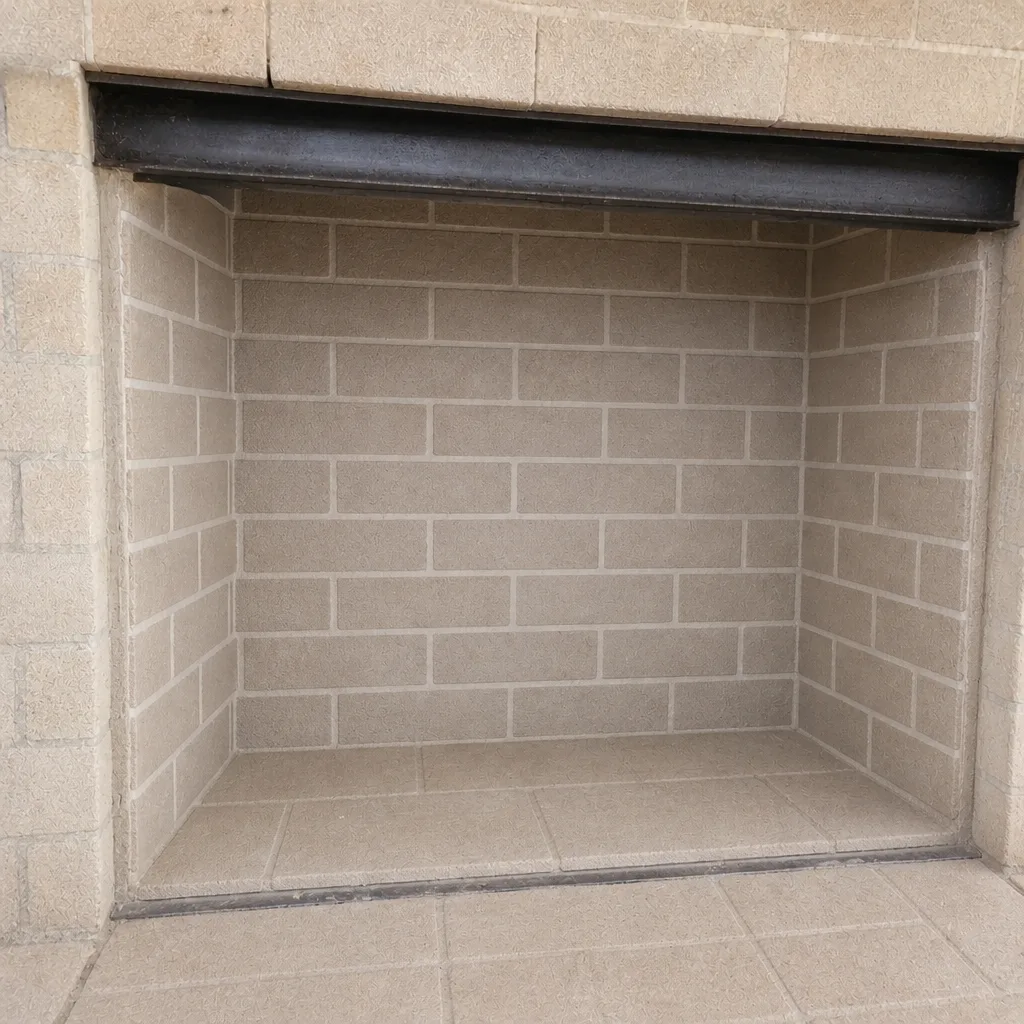
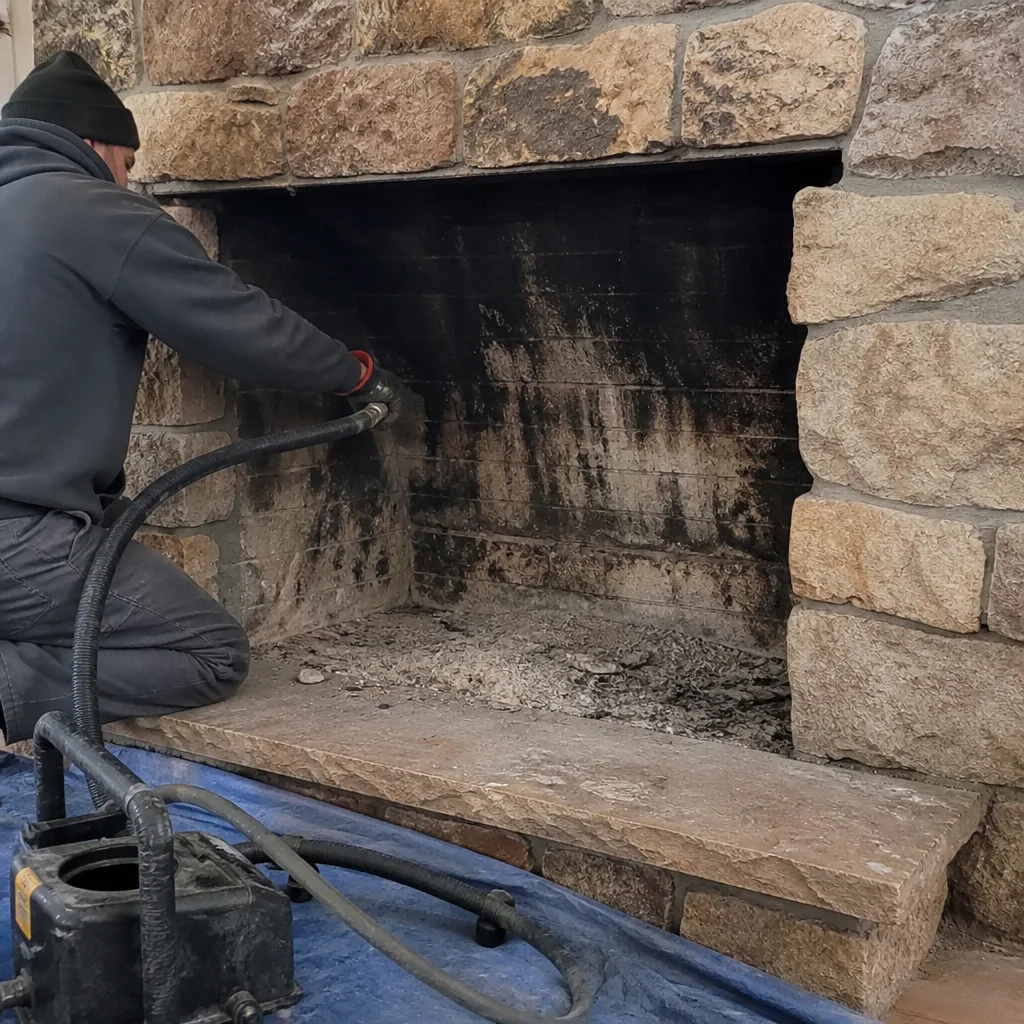
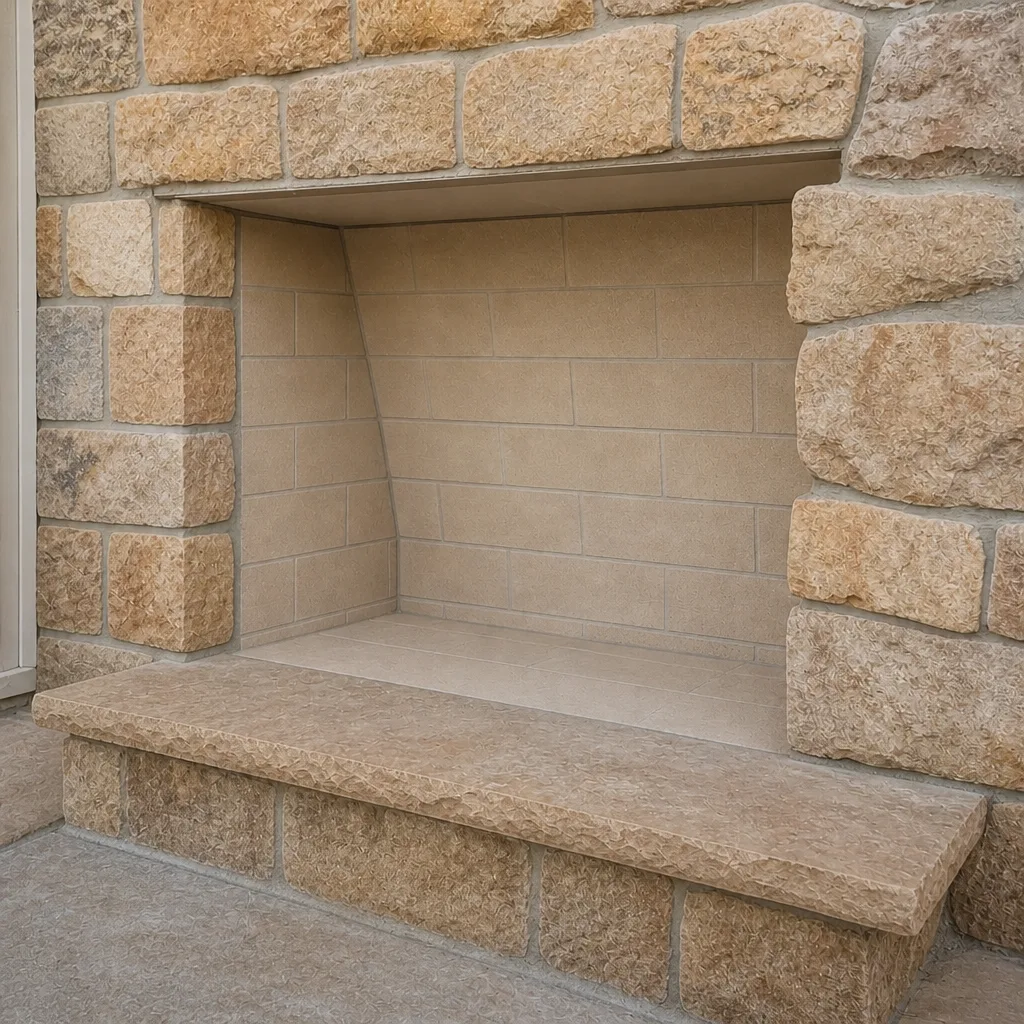
See the difference
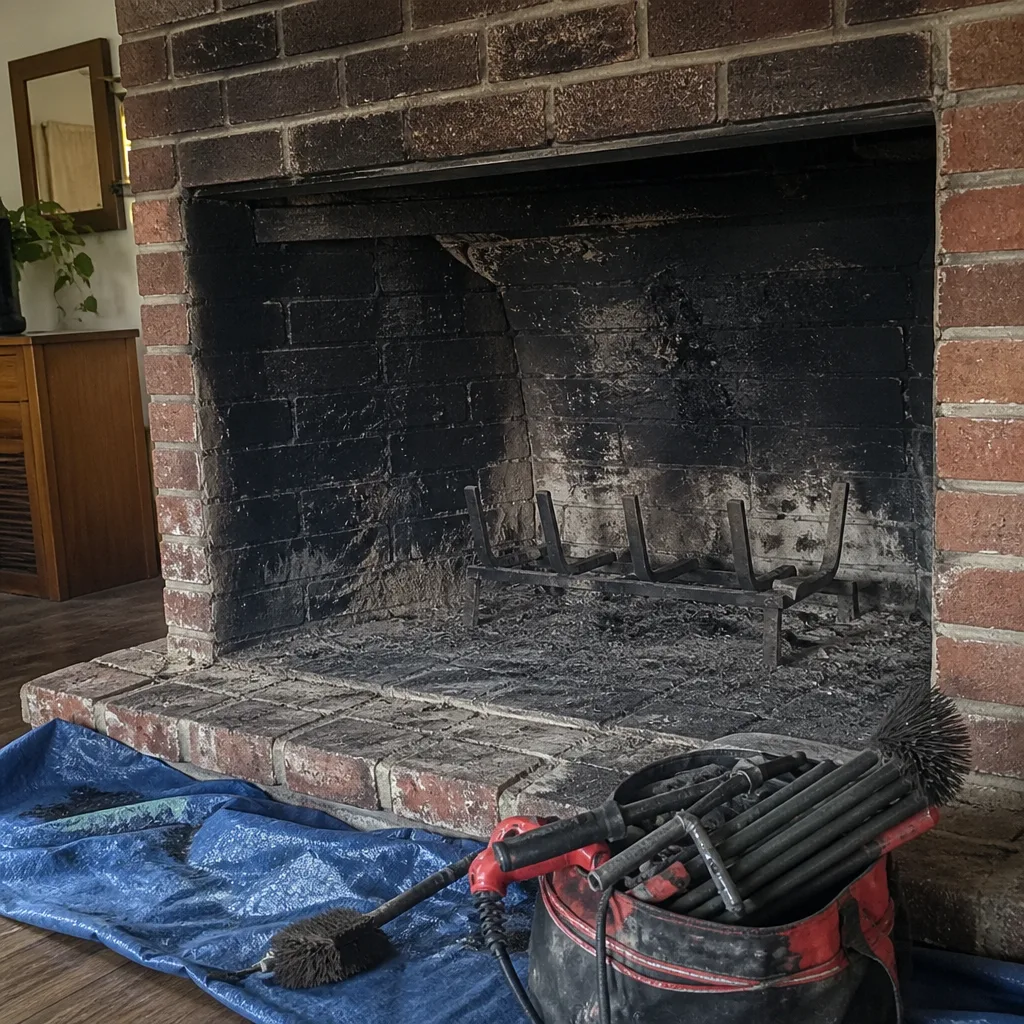 Before
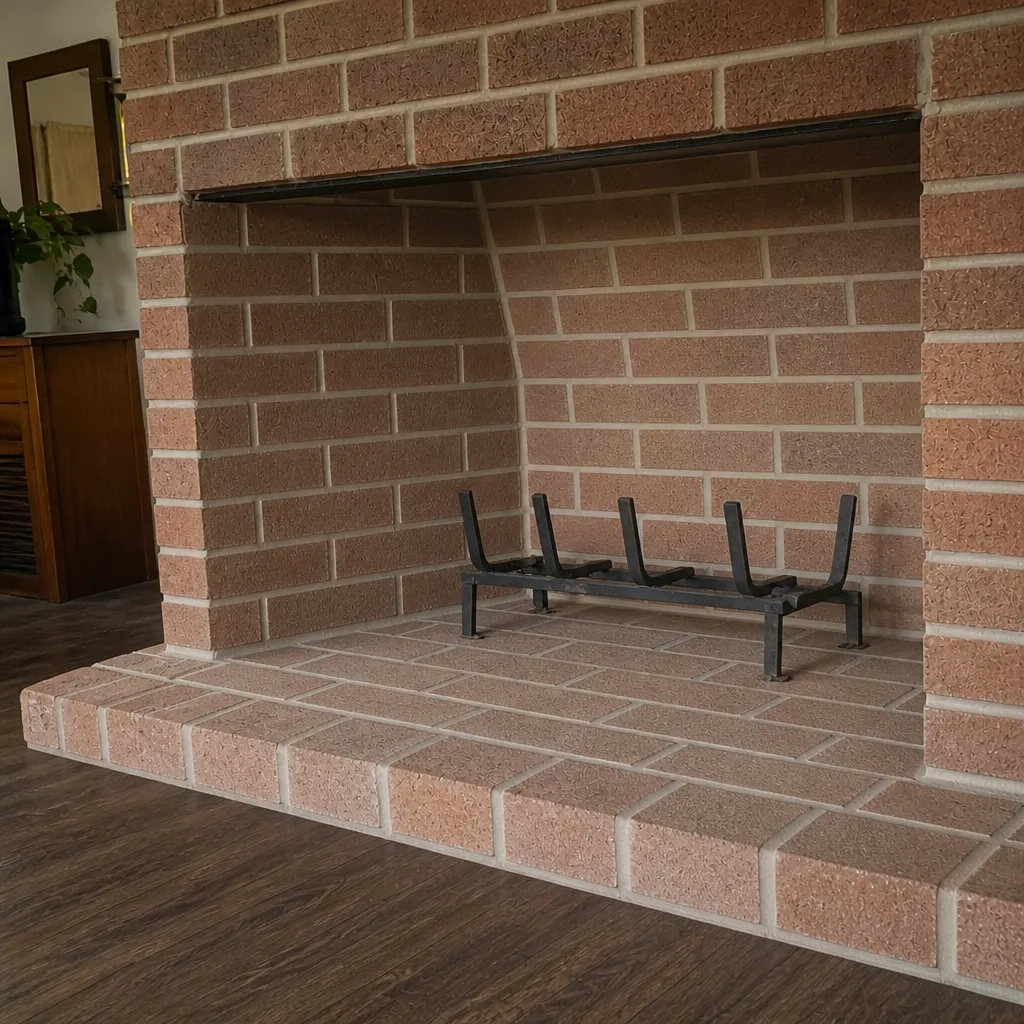 After
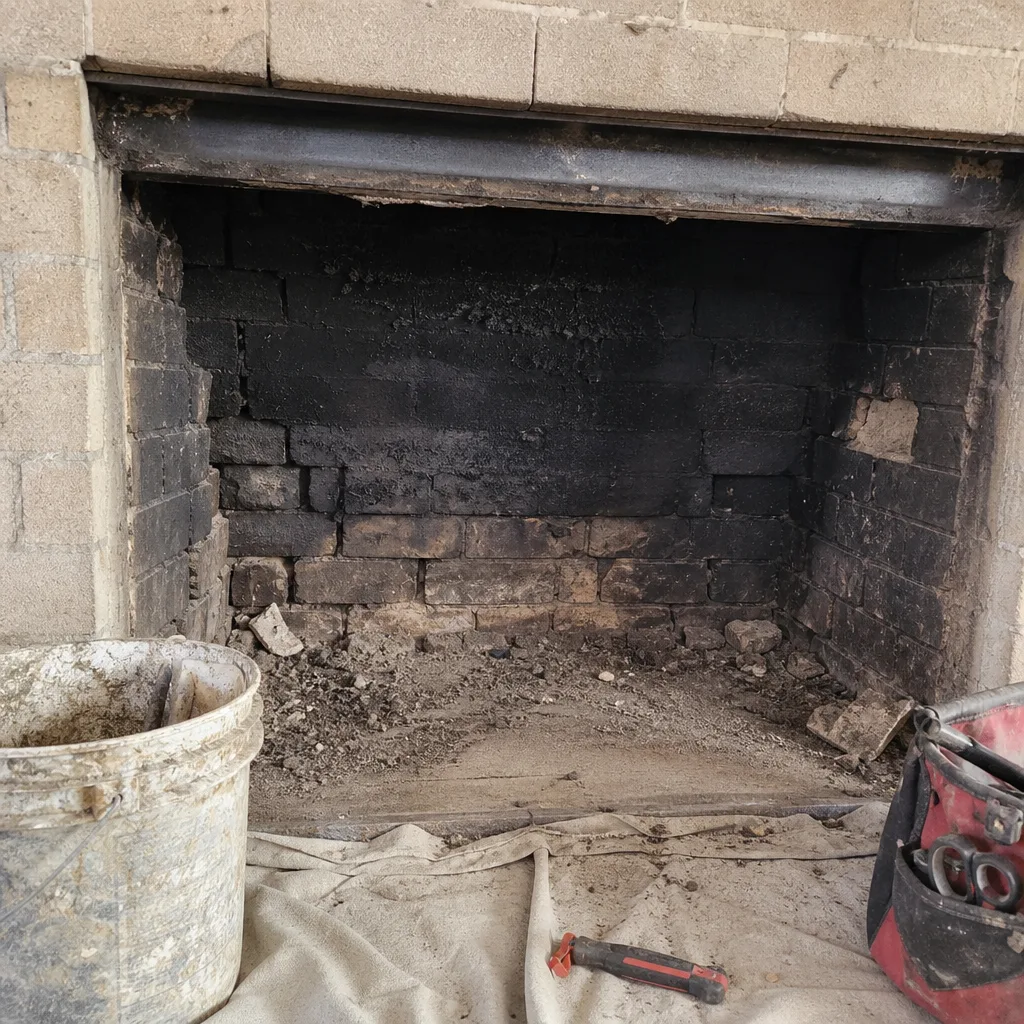 Before
 After
 Before
 After
When to Call a Professional
Call a professional chimney specialist when you see a stop-use sign or when a schedule-soon sign has been on your list for more than a season. Specifically: glazed creosote on the flue, consistency of smoke backdrafting when the fire is going strong, heavy smoky smell with staining, a loose or missing cap, a cracked crown exposing the flue tile, or a gap in the flashing. Also call if it’s been more than a year since the last sweep and you’ve been burning regularly. A camera inspection is the cheapest way to find out what the sign you noticed actually means. Chimney Sweep Erie offers free estimates in Erie – call (833) 468-5631. We answer 24/7 and fast dispatch runs 7am to 7pm, Sunday through Friday.
Frequently Asked Questions
A smoky smell in the living room on warm days when the fireplace is off is often the first sign. It means creosote has off-gassed past the dry soot stage and a damper gap is letting the smell in. Call (833) 468-5631 for an exact quote – estimates are free.
Once a year for a regularly used wood-burning fireplace, and more often if you burn heavily through the season. Erie’s altitude produces more creosote per cord of wood than lower elevation, so annual sweeps are the baseline here. If it’s been more than a year, book the sweep before the next burning season.
Yes, if you have any warning sign to explain. A visual check from the firebox can’t reach the full flue, the liner seams, or the upper creosote stages. Camera inspection finds the cause behind the symptom and tells you whether the fix is a sweep or a repair. Call (833) 468-5631 for an exact quote – estimates are free.
It depends on the sign. The stop-use list in this guide (glazed creosote, heavy backdrafting, a missing cap, visible cracks, a chimney fire in the past) means stop now. Light staining or a smoky smell usually means schedule soon. When in doubt, treat it as stop-use until an inspection confirms it.
Warm outside air on a still day pushes down the cooler flue and picks up creosote smell on the way back into the room through a damper that doesn’t seal flush. Erie’s dry air keeps the masonry warm and the creosote active, so the effect is more pronounced here. The smell points to a damper and flue cleaning combo. Call (833) 468-5631 for an exact quote – estimates are free.
It’s efflorescence, salt left behind when water evaporates out of the masonry, and it means water is entering higher up. The usual source is a failing cap, cracked crown, or flashing gap. It’s not cosmetic; it points to a leak that gets more expensive the longer it runs. Call (833) 468-5631 for an exact quote – estimates are free.
Yes. A missing or loose cap leaves the flue open to rain, snow, and wind debris. In Erie’s wind, a missing cap can also be why a fire smokes after it’s been burning strongly. Cap and crown work is available as a standalone preventive service. Call (833) 468-5631 for an exact quote – estimates are free.
The Bottom Line
Chimney warning signs arrive in a specific order, and the gap between the early ones (smell, smoke behavior, staining) and the late ones (glazed creosote, a missing cap, cracked flue tiles) is the margin you have to act. If you read one thing from this guide, it’s that the smoky smell on a warm day and the smoke rolling back at startup are telling you about a condition you can still fix at Stage 2, before it becomes a repair. Erie’s wind, dry air, altitude combustion, and freeze-thaw cycles make several of these signs appear faster locally than generic guides describe. We focus on the full chimney system, from the firebox to the crown, and name the materials we use because what goes into a repair is part of what makes it work.
Contact Us
If a warning sign on this list has been in the back of your mind for a while, the next step is a cleaning and inspection from a chimney-focused specialist. We walk you through what we see, show you the photos from the camera inspection, and give you a written estimate for any work we recommend. Nothing is recommended without camera evidence you can see for yourself, and we’ll tell you plainly when work can safely wait.
Call (833) 468-5631 for a free estimate. We answer 24/7. Fast dispatch from 7am to 7pm, Sunday through Friday. Book a chimney sweep for Erie and the surrounding area before the burning season starts, and start from a clean flue instead of a warning sign.
Written by the team at Chimney Sweep Erie.