
Last updated November 24, 2026
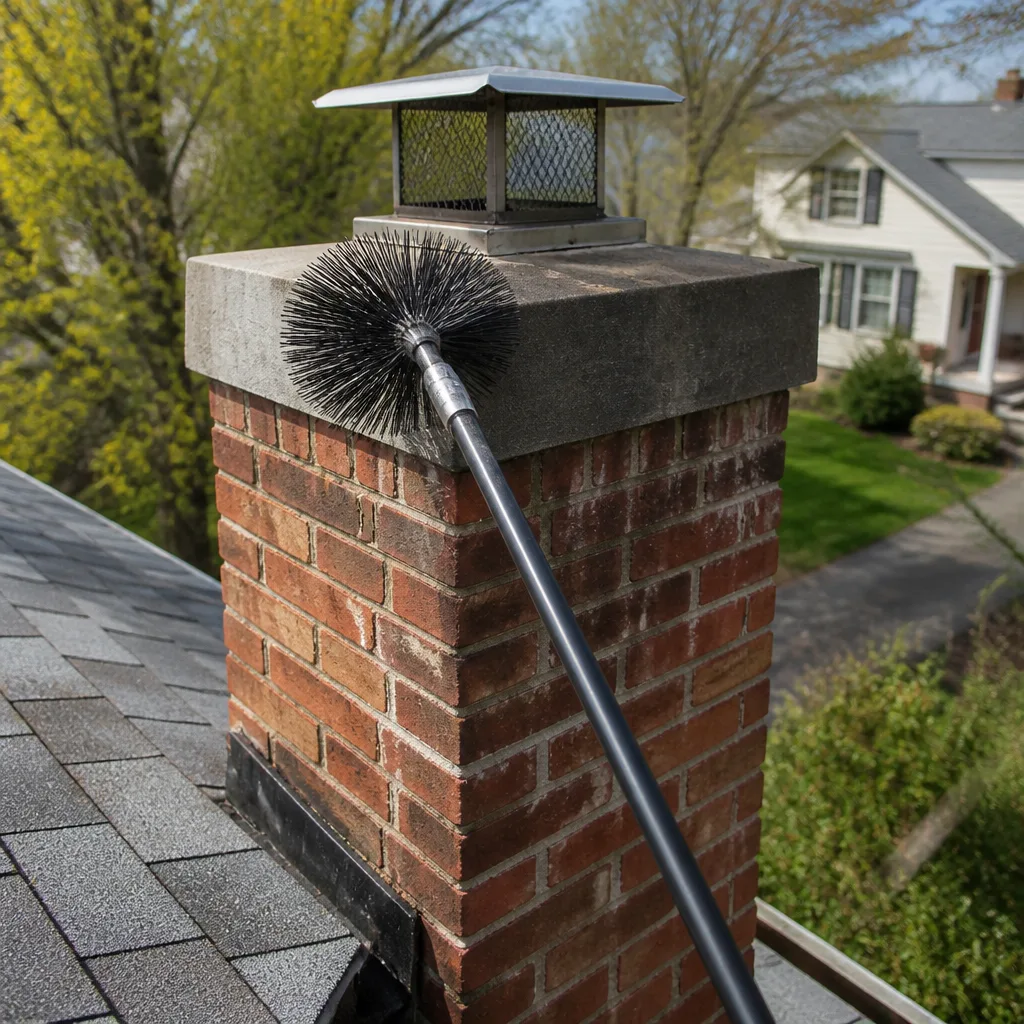 Sweep & inspection
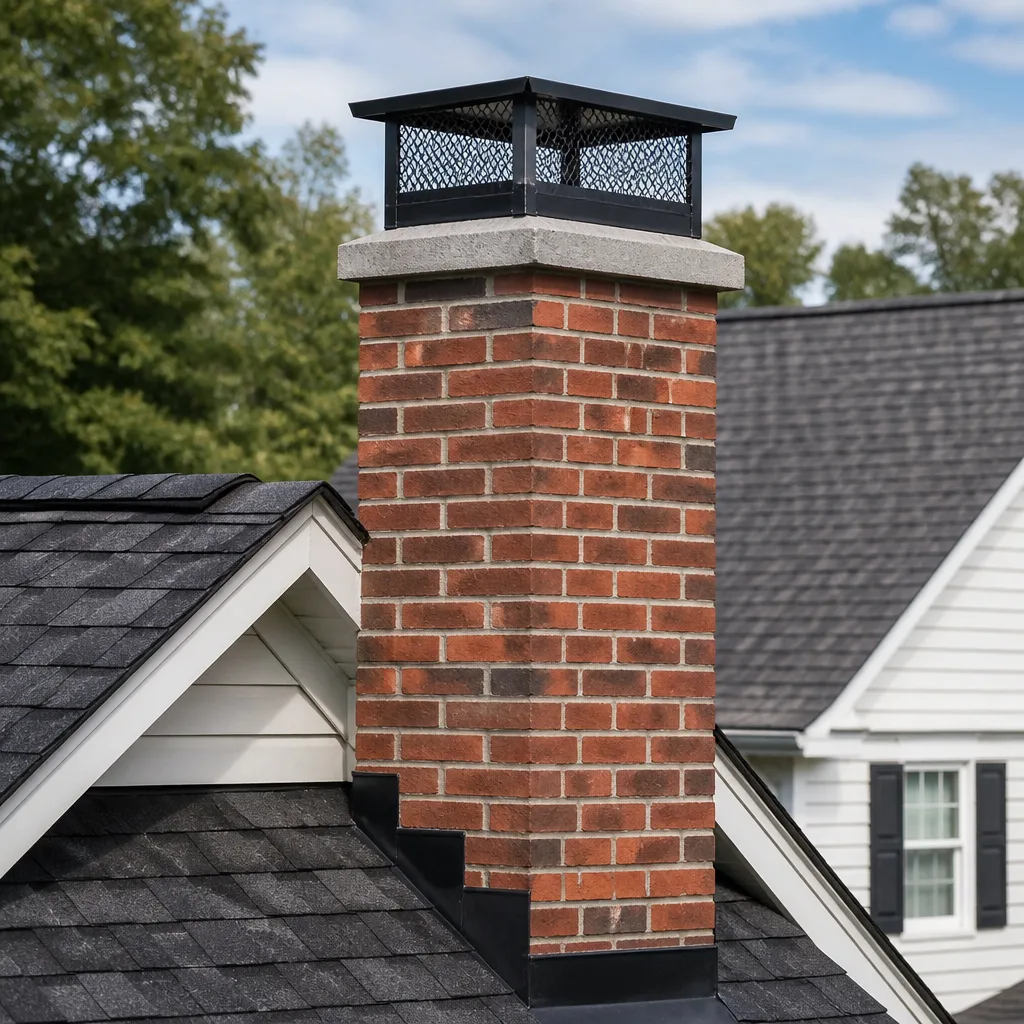 Caps & crowns
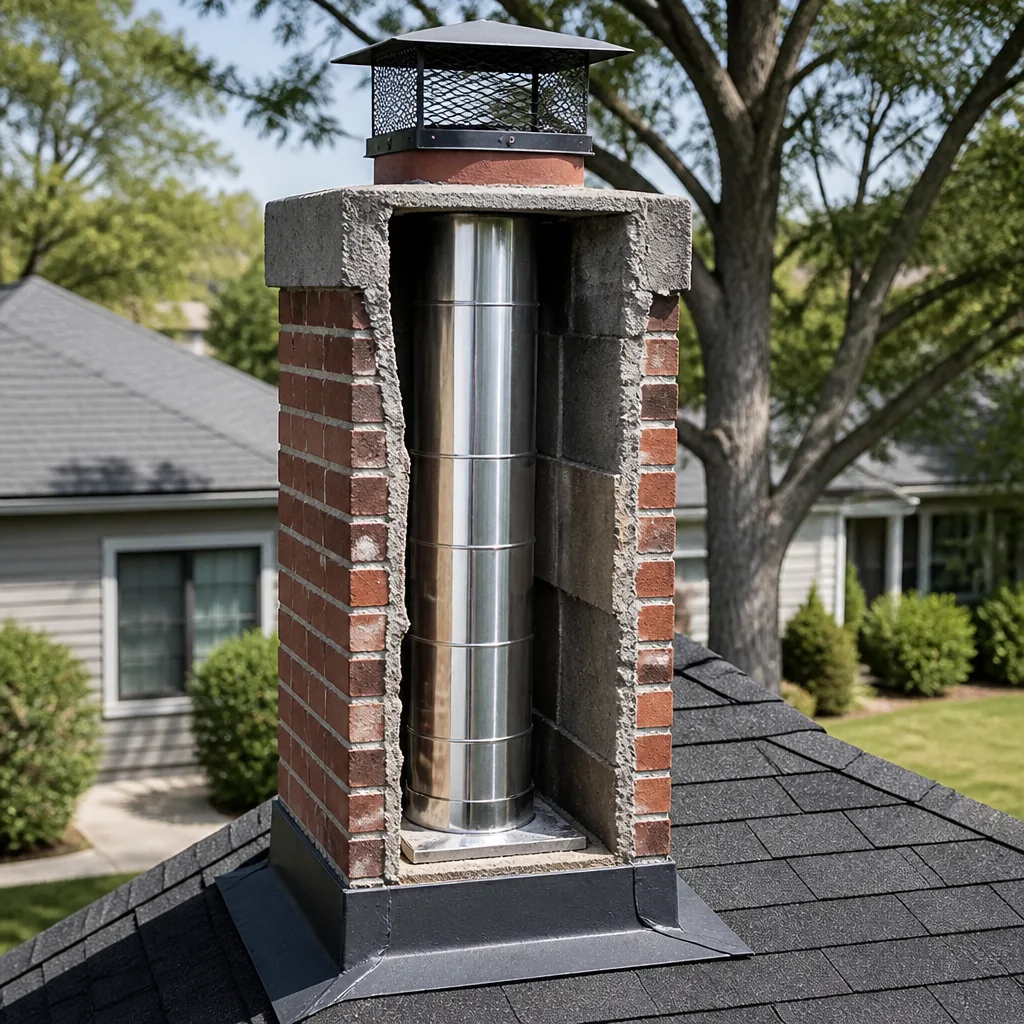 Flue relining
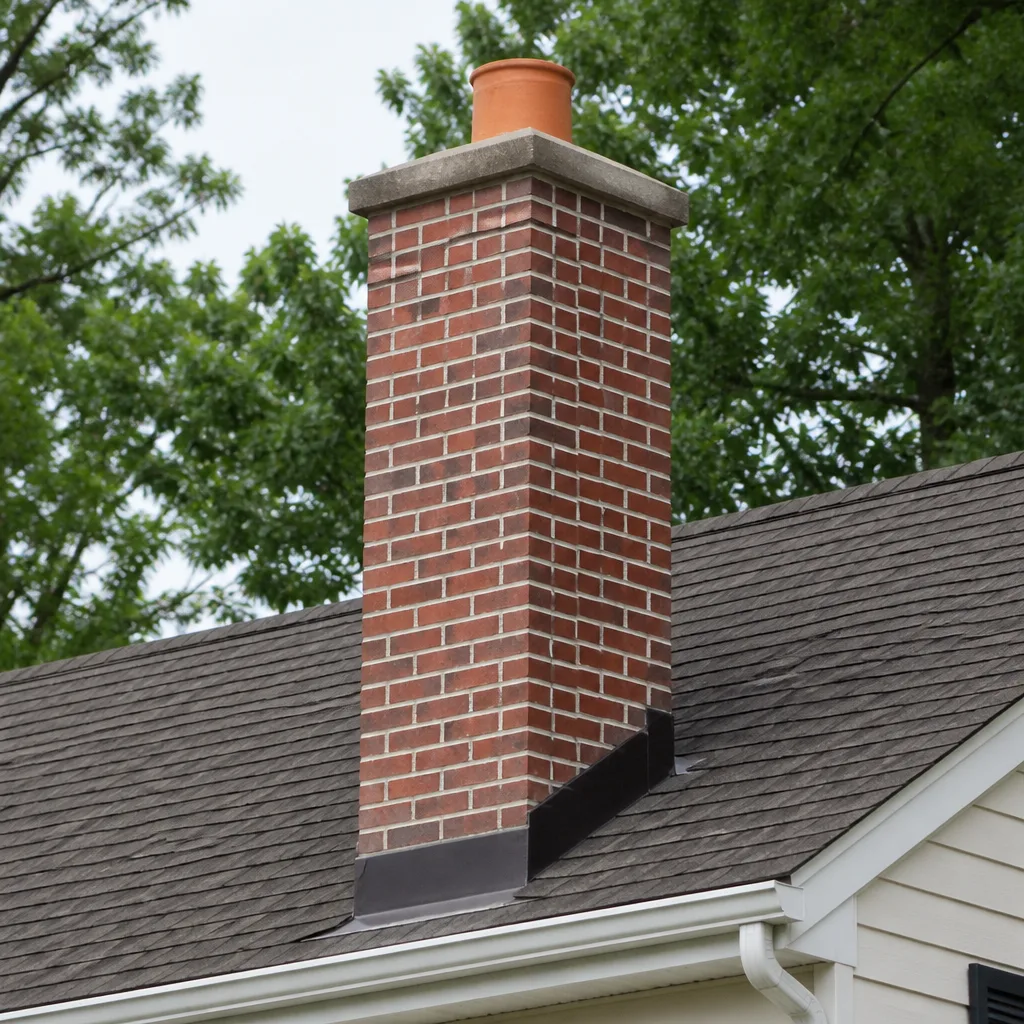 Masonry repair
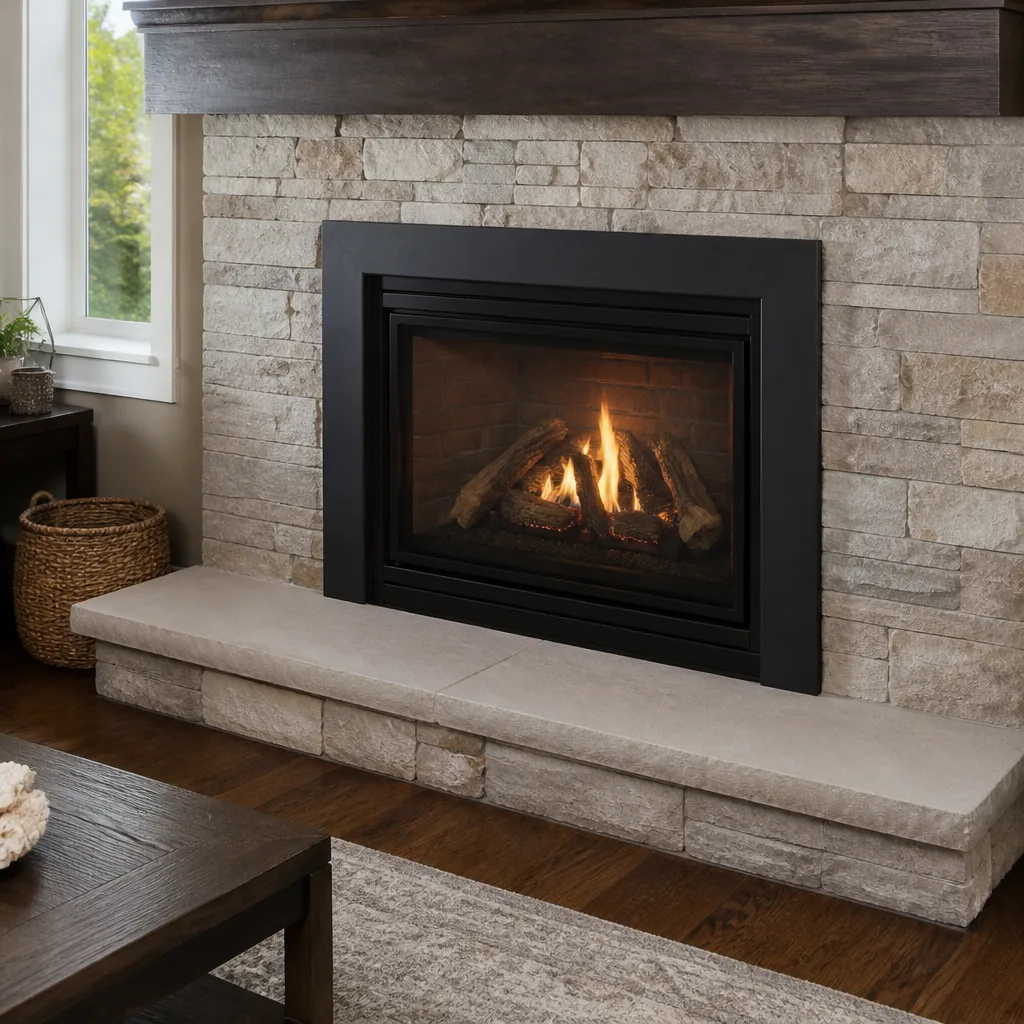 Gas fireplace service
Level 1 sweep and inspection to the NFPA 211 annual standard - flue, crown, cap, and flashing checked and photographed
Chimney sweep logs do not sweep chimneys. They loosen some creosote - which then falls where a brush and vacuum still have to collect it.
How to Hire a Chimney Cleaning Contractor in Erie: A Step-by-Step Guide
Here’s the part most guides skip: in Colorado, nothing stops a roofer, a handyman, or a company with a shiny website from advertising “professional chimney cleaning” in Erie tomorrow. There’s no state license that separates a trained chimney technician from someone who bought a brush and a ladder. That means the reviews you read and the price you’re quoted tell you almost nothing about whether the person on your roof knows what they’re looking at. This guide walks you through the screening questions, the insurance documents, and the estimate red flags that actually protect your home – so the hire is about a vetting process, not a gut feeling.
Quick Answer
To hire a chimney cleaning contractor in Erie, verify CSIA certification, request proof of general liability and workers’ compensation insurance, and ask whether the company performs full-system inspections and repairs in-house or just sweeps and refers the rest out. Get an itemized written scope before anyone gets on the roof, and treat an unusually low flat-rate quote as a sign of omitted work, not a bargain.
Styles & brands we work with
- Sweep & inspection
- Caps & crowns
- Flue relining
- Masonry repair
- Gas fireplace service
Table of Contents
- Why Chimney Contractor Credentials Are Harder to Check in Colorado
- What CSIA Certification Actually Verifies
- The Insurance Documents to Request Before Anyone Climbs Up
- Five Phone Questions That Reveal How a Contractor Really Works
- How to Read a Chimney Estimate (And Spot the Red Flags)
- In-House Repairs vs. Referrals: Why Continuity Matters
- Erie-Specific Things to Ask About Your Chimney
- What a Proper Sweep and Inspection Should Involve
Why Chimney Contractor Credentials Are Harder to Check in Colorado
Colorado does not license chimney sweeps. There’s no state board issuing a credential, no exam the state requires, and no registry you can search to confirm that the person quoting your sweep has ever been trained. Compare that to electricians or plumbers, where a license number is a phone call away. For chimney work in Erie, the burden of verification sits entirely with the homeowner.
That gap matters more than it sounds. Chimney work combines two things that go wrong quietly: fire safety and roof access. A sweep who doesn’t understand flue sizing can leave creosote packed in an offset the brush skipped. A technician who isn’t insured can fall off your roof and create a claim against your homeowner’s policy. Neither problem announces itself.
What you can verify falls into three buckets:
- Third-party certification – the CSIA credential is voluntary, which is exactly why it means something. Someone chose to be tested.
- Insurance – general liability and workers’ compensation, both documented, both current.
- Scope of capability – whether the company can inspect, sweep, and repair the full chimney system or hands off everything past the brush.
Our technicians have up to 9 years of experience, and every job we scope starts with the same question: what does this specific chimney need, and what can safely wait? That’s the mindset to look for when you’re screening anyone. If a contractor can’t tell you how they inspect beyond “we look up from the firebox,” you’ve learned something useful.
What CSIA Certification Actually Verifies
CSIA certification – from the Chimney Safety Institute of America – is the most recognized credential in this trade, and it’s earned through an exam covering codes, venting, inspection standards, and the physics of how chimneys draft and fail. It’s renewed on a cycle that requires continuing education, so a certified sweep can’t coast on a test taken years ago. It’s the closest thing to a floor for competence in an unlicensed state.
Here’s the honest caveat: certification is the floor, not the ceiling. Passing an exam confirms a technician knows the standards. It doesn’t tell you whether the company does camera inspection on every job, whether they carry the materials to fix what they find, or whether they’ll recommend a $6,000 reline for a chimney that needed a $300 sweep.
So use the credential as a filter, not a finish line. Ask the next layer of questions:
- Are your technicians CSIA certified, and can you show me the current card?
- Do you perform a Level 1, 2, or 3 inspection, and how do you decide which one a job needs?
- Do you use a camera to inspect the flue interior, and will I see the footage?
- When you find a defect, do you document it with photos in a written report?
- Does your company perform the repair, or do you refer it to someone else?
If the answers are vague, keep calling. A certified company will answer all five without hesitation because these are the mechanics of how they work every day, in Erie and everywhere else.
The Insurance Documents to Request Before Anyone Climbs Up
Ask for two things: a certificate of general liability insurance and proof of workers’ compensation coverage. General liability protects your property if a dropped tool cracks a flue tile or a ladder puts a hole in a gutter. Workers’ compensation protects you if the technician is injured on your roof – without it, an injury on your property can come back to you or your homeowner’s policy.
Both documents should be current and list the company name that matches the quote. A contractor who hesitates, promises to “send it later,” or offers a hand-written number isn’t providing documentation. You’re not being difficult by asking; you’re doing what any property manager would do before allowing roof access.
What to confirm on the paperwork:
- The policy is active as of the work date, not expired.
- The named insured matches the company quoting the job.
- Workers’ compensation covers the technicians who will actually be at your house – a sole proprietor with no employees may be exempt, which is worth asking about directly.
- Coverage is enough to matter; a policy with minimal limits won’t cover a real roof-access incident.
Chimney work happens on ladders, roofs, and occasionally from a rope over the crown. A vacuum and a tarp don’t change the fact that this is height work. The documentation exists for a reason, and the professionals doing the work know that. The local pro you hire should be licensed and insured as their state requires, and providing that proof when asked is standard practice.
Five Phone Questions That Reveal How a Contractor Really Works
A phone quote takes ten minutes and tells you more than an hour of browsing reviews. These five questions in particular separate companies that actually inspect a chimney from companies that sweep and bill:
- “What do you check besides the flue?” A real inspection covers the firebox, damper, smoke chamber, crown, cap, and visible exterior masonry. If the answer is “the flue,” that’s a brush, not an inspection.
- “Will I get a written report with photos?” A camera inspection with photo documentation means you see what they see. Vague verbal findings are hard to verify and easy to inflate.
- “How do you handle a cracked crown or missing cap?” This tells you whether they repair or refer. If every answer is “we’d have to call someone,” you’ll be coordinating two contractors and hoping they agree on scope.
- “What brands do you work with for liners and resurfacing?” Professional chimney companies use materials engineered for the environment – DuraFlex flexible liner systems, HeatShield resurfacing, Olympia Chimney components. If the answer is “whatever’s available locally,” ask why.
- “What’s included in the flat rate, and what isn’t?” The scope should be spelled out before booking. Anything not listed is an add-on waiting to happen.
These questions work because they’re about process, not sales pitch. A company that does full-system inspection will explain the difference between a Level 1 inspection (visual, accessible areas) and a Level 2 inspection (camera, video, more thorough) without consulting a script. If the person on the phone can’t describe how the work actually happens, they’re likely booking a brush job and planning to find an excuse to sell you more once they’re on the roof.
How to Read a Chimney Estimate (And Spot the Red Flags)
A chimney estimate should be itemized. Every line should name what’s being done, where, and with what material. A single flat number for “chimney work” isn’t a quote – it’s a placeholder that leaves the scope undefined until the technician is already on your property.
Specific patterns worth pausing on:
- The too-low flat rate. If the quote is far below what a sweep with camera inspection should reasonably cost, the missing work is the reason. Omitted scope isn’t savings; it’s a bill that arrives later, usually during a follow-up visit.
- On-site upsell pressure. A sweep who finds a cracked tile and immediately pushes a full reline without showing you the camera footage or a written report is skipping the evidence step. A thorough company documents, then explains, then lets you decide.
- Vague repair descriptions. “Fix chimney” or “seal top” tells you nothing. You should see words like crown, flue tile, damper, firebox, mortar joint, liner – specific components with specific actions.
- No mention of inspection level. If the estimate doesn’t say what inspection was performed, ask. The scope of the inspection determines what you actually know about your chimney.
- Package deals that bundle unrelated repairs. Bundling a real repair with something you don’t need obscures the price of each and makes it impossible to compare quotes.
Pricing is per job, and the written estimate sets the final price. There’s no reason that number should be a mystery. If you’re told “we’ll figure it out once we’re up there,” that’s a yellow flag on scope control. In our experience, homeowners who insist on itemized written scope get fewer surprises and better outcomes, and any professional company in Erie will respect the question.
In-House Repairs vs. Referrals: Why Continuity Matters
Most chimney work starts small. A sweep turns up a hairline crack in the crown or a cap that’s been missing for a winter. The question is whether the company that found the problem can fix it, or whether you’re handed a phone number and left to manage the handoff.
Full-system capability means the company covers the whole chimney – firebox, flue, cap, crown, and exterior masonry – under one workflow. That matters for a practical reason: whoever repairs the chimney should see what the sweep found. When the repair is handed to a different contractor, the findings get translated through a phone call or an email, and scope decisions are made by someone who wasn’t on the roof. That’s where jobs drift.
A company built around the full chimney system will typically:
- Inspect and sweep the same visit, with the repair scope captured in the report.
- Carry the materials for common repairs – chimney repair work like crown patching, cap replacement, and lining.
- Use manufacturer-backed systems for significant work: HeatShield for resurfacing and restoring a damaged flue, DuraFlex for a flexible liner installation when the existing flue can’t be salvaged.
- Explain what can safely wait. A worn cap that still keeps weather out may be a next-season job; a crumbling crown that’s letting water into the masonry isn’t.
When you’re comparing estimates, ask which parts the company handles themselves and which parts get referred. A company that does one trade well – chimneys – will tell you the answer in a sentence. A generalist who sweeps on the side will usually say “we can do the sweep but you’ll need to call someone for the rest.” That’s the answer to listen for.
Erie-Specific Things to Ask About Your Chimney
Erie sits where the plains meet the Front Range foothills, and that geography shapes chimney wear in ways that a generic checklist misses. Wind coming off the foothills hits the north and west faces of a chimney harder, driving rain and snow into caps and crown edges. The freeze-thaw cycle – warm afternoons and hard overnight freezes through much of the winter – opens small cracks in masonry that widen over a season. That’s why crown and cap condition gets more attention here than in climates with gentler temperature swings.
A wood-burning fireplace in Erie spends long stretches unused, and a cold flue with poor draft can push smoke odor back into the house during shoulder seasons. If you’ve noticed that, ask the contractor whether the sweep includes a draft check and a look at the smoke chamber – it’s a diagnostic step, not a formality.
Ask these Erie-specific questions when you’re on the phone:
- Do you see many homes with missing or damaged caps in this area, and how do you approach cap replacement?
- How do you evaluate crown condition, and what’s your approach if it’s cracked?
- Does your inspection include the exterior masonry on the north and west faces, where weather hits hardest?
- What’s your recommendation if the chimney hasn’t been swept in several seasons and the fireplace is wood-burning?
If you’re noticing a persistent odor or visible staining on the exterior, our fireplace repair page covers the warning signs that go beyond routine cleaning. And if you want the broad picture of the services we handle, Chimney Sweep Erie lays out the full scope.
What a Proper Sweep and Inspection Should Involve
A chimney sweep done right is a diagnostic visit, not a brush-and-go. Here’s what a well-run company will typically do, so you can compare it against what actually happens at your house:
- Walk the exterior first. Cap, crown, flashing, and visible masonry are checked before anyone goes up. Problems found here often shape what happens inside.
- Lay protective tarps and set up a HEPA vacuum. A professional sweep contains the dust; a company that doesn’t set up properly will leave soot in the room.
- Brush the flue with the right brush for the flue type. Metal brushes for masonry flues, poly for liners. The wrong brush damages the wrong surface.
- Inspect the firebox, damper, smoke chamber, and flue interior. A camera inspection shows the flue interior in a way that a flashlight can’t.
- Document findings with photos. You should get a written report you can keep and compare over the years.
- Explain what you’re seeing and what can wait. A good technician can tell you which findings are immediate and which are next-season items.
If you’re ready to schedule a sweep, our chimney sweep page covers what the visit includes. If it’s been several seasons since the last cleaning, ask about a camera inspection on the first visit – that’s the step that turns a cleaning into useful information about the chimney’s actual condition.
Common Mistakes to Avoid
- Hiring on price alone. The lowest quote is often the one with the most omitted scope. Compare line items, not final numbers, and ask what each quote leaves out.
- Skipping the insurance request. It’s a two-minute email and it’s the difference between a covered incident and a claim against your homeowner’s policy.
- Accepting a verbal recommendation for a big repair. A reline or a rebuild should come with camera evidence and a written scope. If you can’t see what they saw, ask for the footage before you decide.
- Booking a sweep without asking if it includes inspection. A brush and a camera are different services. Make sure the quote says what you’re getting.
- Letting a missing cap go another season. The cap is the front door for water. A missing or damaged cap lets rain into the flue and crown, which is where the expensive damage starts.
- Assuming the generalist is the cheaper hire. A company that sweeps and refers out the repair adds a second visit, a second estimate, and a handoff that can drift. Full-system companies handle the continuity in one workflow.
- Not asking about certification. In a state without licensing, the CSIA credential is one of the few objective signals available. Asking for it costs nothing.
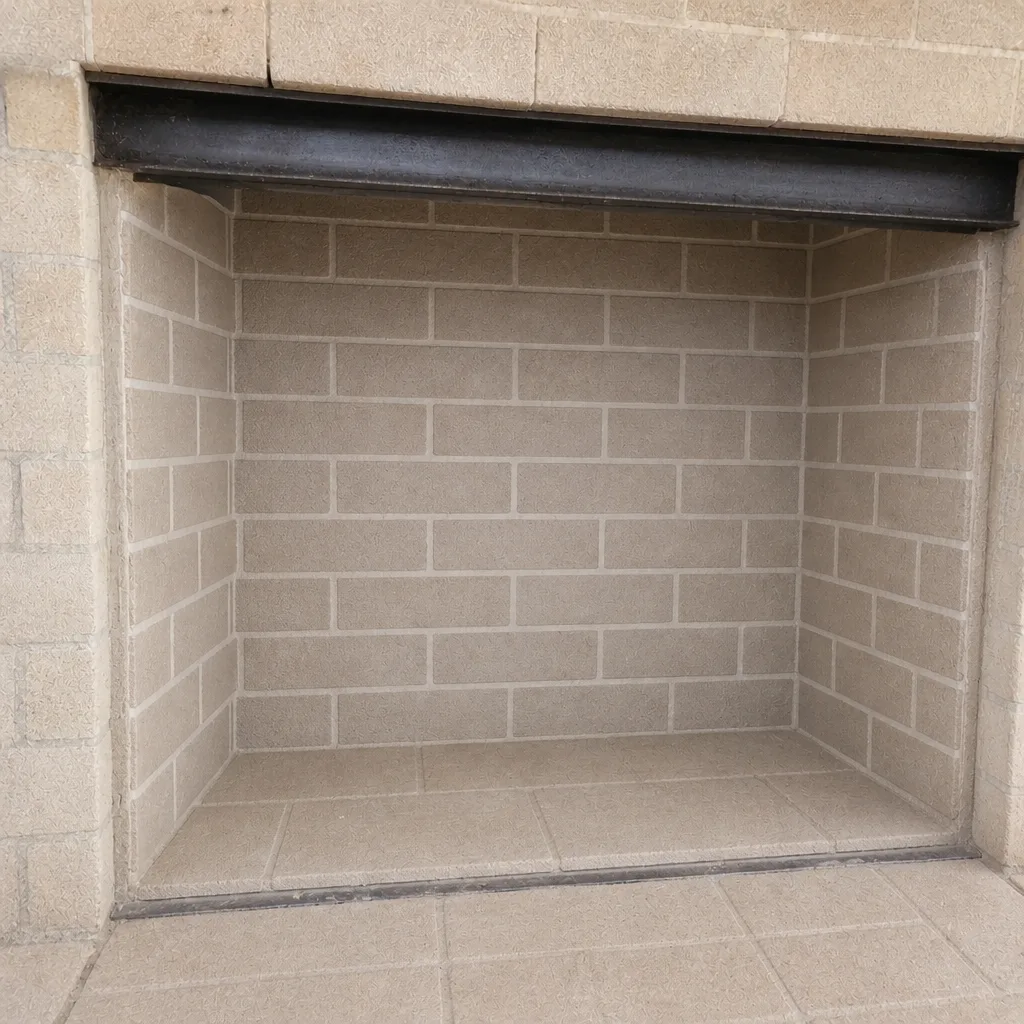
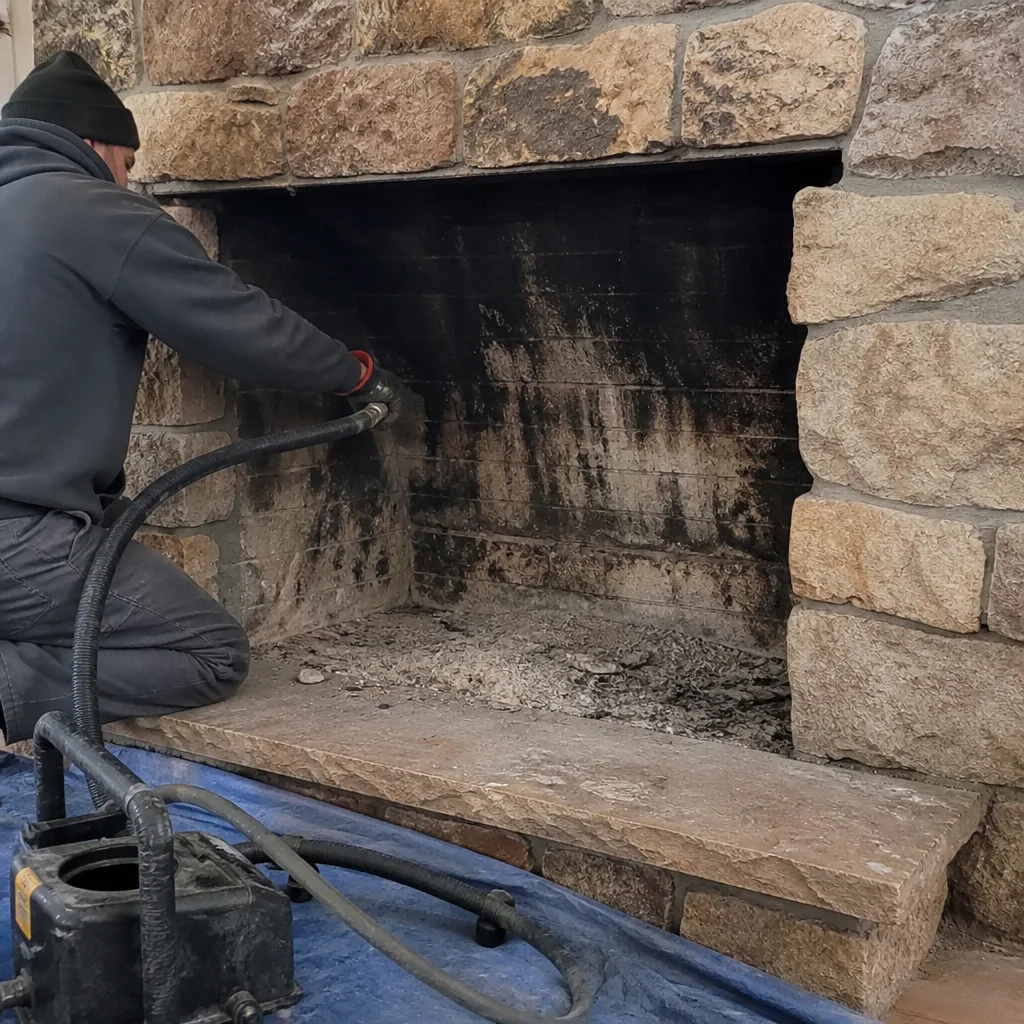
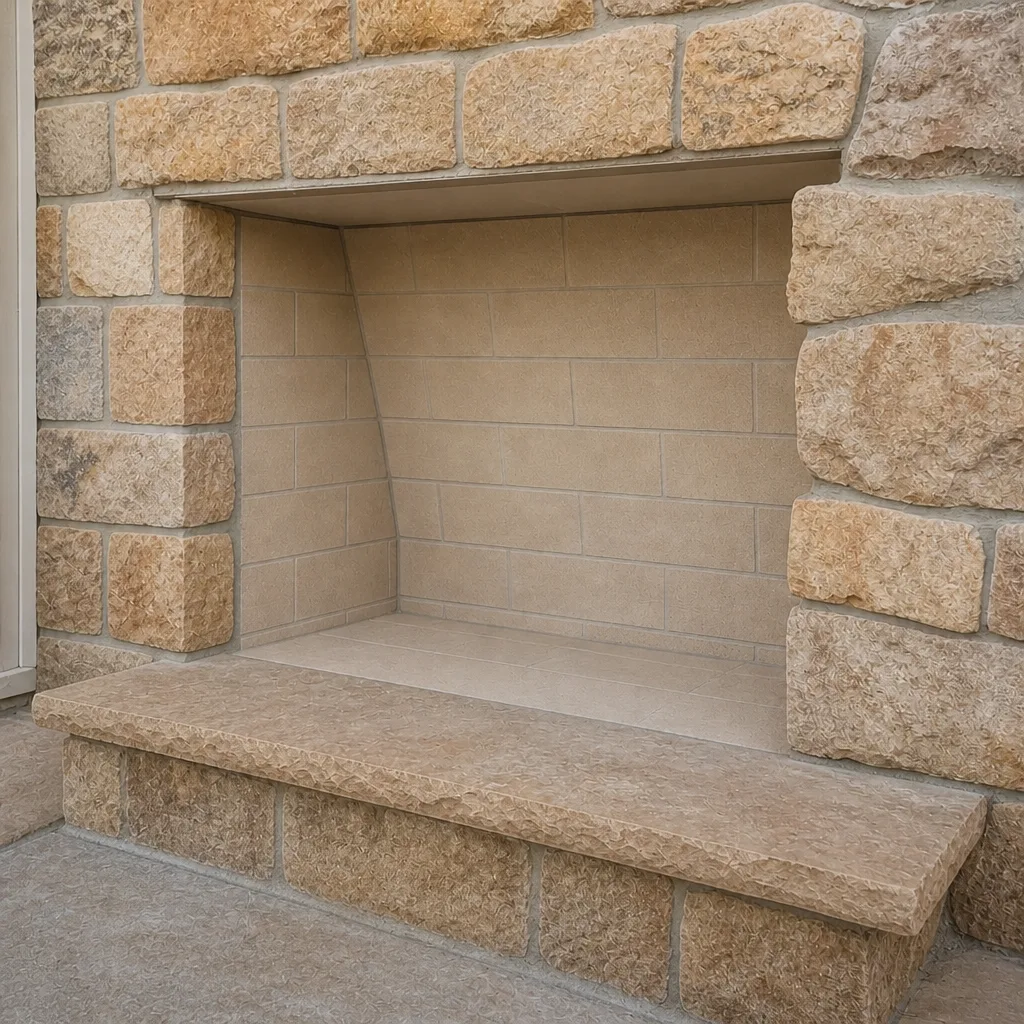
See the difference
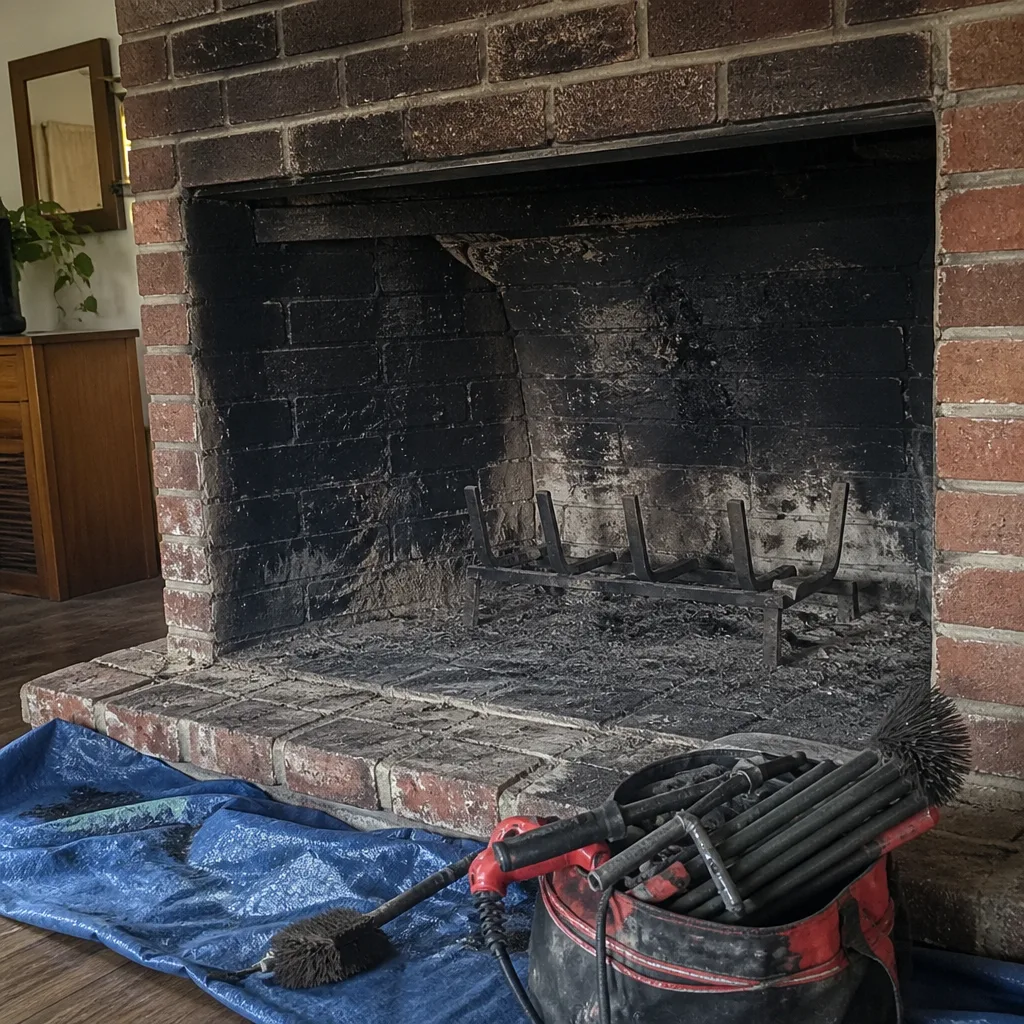 Before
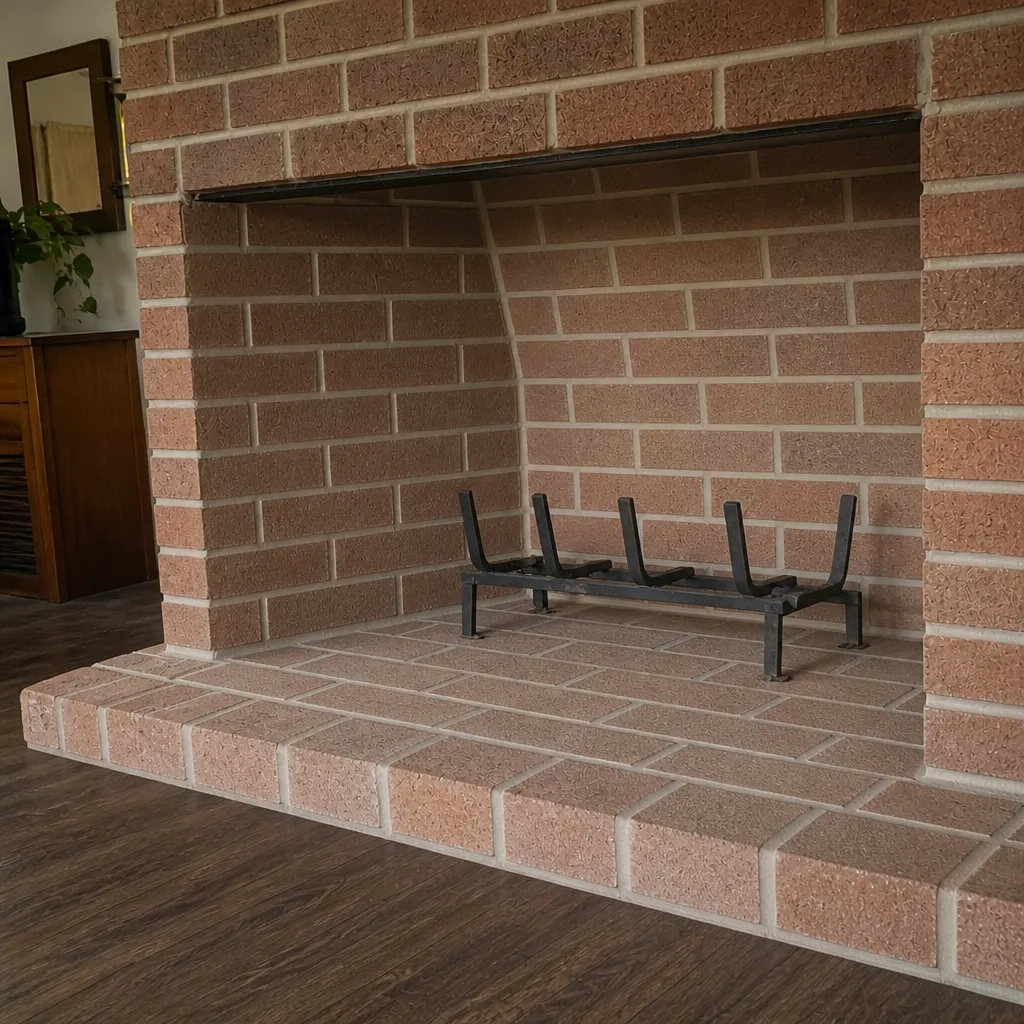 After
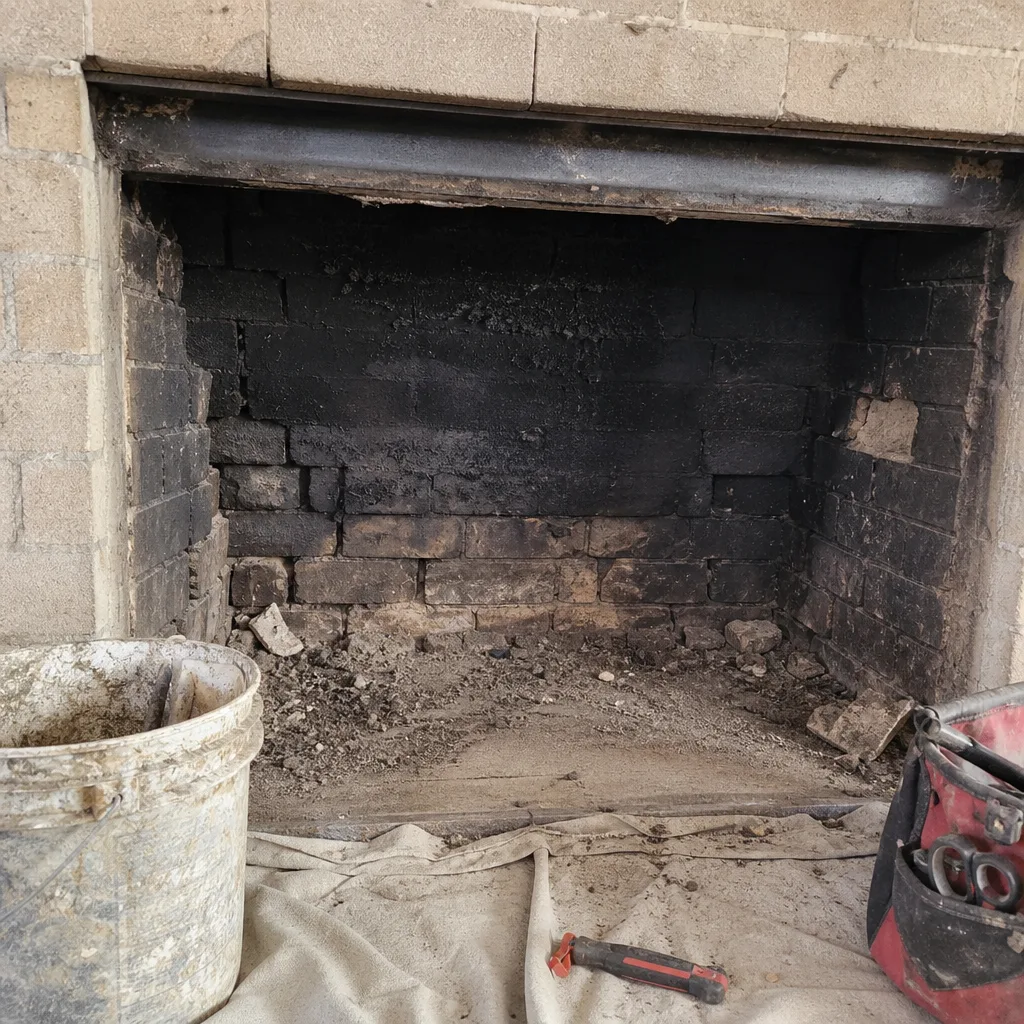 Before
 After
 Before
 After
When to Call a Professional
Call a professional when you’re due for an annual sweep and inspection, when you notice smoke blowing back into the room, when you smell a persistent odor from the fireplace during shoulder seasons, when you see staining on the exterior masonry, or when the cap or crown looks worn. Those are the visible signs. The invisible one is time – creosote builds up whether or not you notice, and the firebox and flue don’t audit themselves. If you’ve moved into a home in Erie whose chimney you’ve never had inspected, that first visit is worth booking before the next heating season. Chimney Sweep Erie offers free estimates in Erie – call (833) 468-5631. We answer 24/7. Fast dispatch from 7am to 7pm, Sunday through Friday.
Frequently Asked Questions
A standard sweep with a visual inspection typically runs in the range a trained technician can quote accurately once they know the flue type, access, and condition – which is why we give a written estimate rather than a flat phone number. The estimate is free and the written scope sets the final price, so you know what’s included before anyone gets on the roof. Call (833) 468-5631 for an exact quote – estimates are free.
You need a new liner when the camera inspection shows the existing one is cracked, improperly sized, or degraded past safe use – not on the strength of a verbal recommendation alone. Ask to see the footage and the written scope before deciding. If the liner is sound, a sweep and a cap check may be the whole job. Call (833) 468-5631 for an exact quote – estimates are free.
Most wood-burning chimneys should be swept annually, and more often if you burn heavily through the heating season. Gas appliances have different service intervals – ask when you book. The annual sweep doubles as the inspection that catches small issues before they become structural. Call (833) 468-5631 for an exact quote – estimates are free.
Creosote accumulates in the flue and becomes harder to remove with age, and a heavily fouled flue is a chimney-fire risk that no homeowner should carry. Blockages from debris or animal nests can also push carbon monoxide back into the house instead of up the flue. The cost of a sweep is a fraction of what a deferred repair becomes. Call (833) 468-5631 for an exact quote – estimates are free.
No – Colorado doesn’t license chimney sweeps, which is exactly why the CSIA credential is worth asking about. It’s voluntary, exam-based, and renewed through continuing education, so a certified technician has demonstrated knowledge that a generalist handyman hasn’t. Ask for the current card before you book.
That’s the right question to ask, and the answer depends on the company. A chimney specialist who covers the full system – sweep, inspection, fireplace repair, chimney repair, cap and crown – can carry a finding from inspection through repair without a handoff. A generalist who sweeps usually refers the rest out. Call (833) 468-5631 for an exact quote – estimates are free.
The Bottom Line
Hiring a chimney contractor in Erie comes down to verification, not vibes. Ask for CSIA certification, request proof of general liability and workers’ compensation insurance, and use the five phone questions to figure out whether the company inspects the full system or just sweeps and bills extra. Read every estimate for itemized scope, and treat a too-low flat rate as a signal of missing work. When the company can carry the finding from sweep through repair – with professional materials like HeatShield and DuraFlex in the mix – you spend less time coordinating and more time knowing what’s actually in your chimney.
If you’d like a straight answer about what your chimney needs, call Chimney Sweep Erie at (833) 468-5631 for a free estimate. We answer 24/7. Fast dispatch from 7am to 7pm, Sunday through Friday.
Written by the team at Chimney Sweep Erie.