
Last updated November 24, 2026
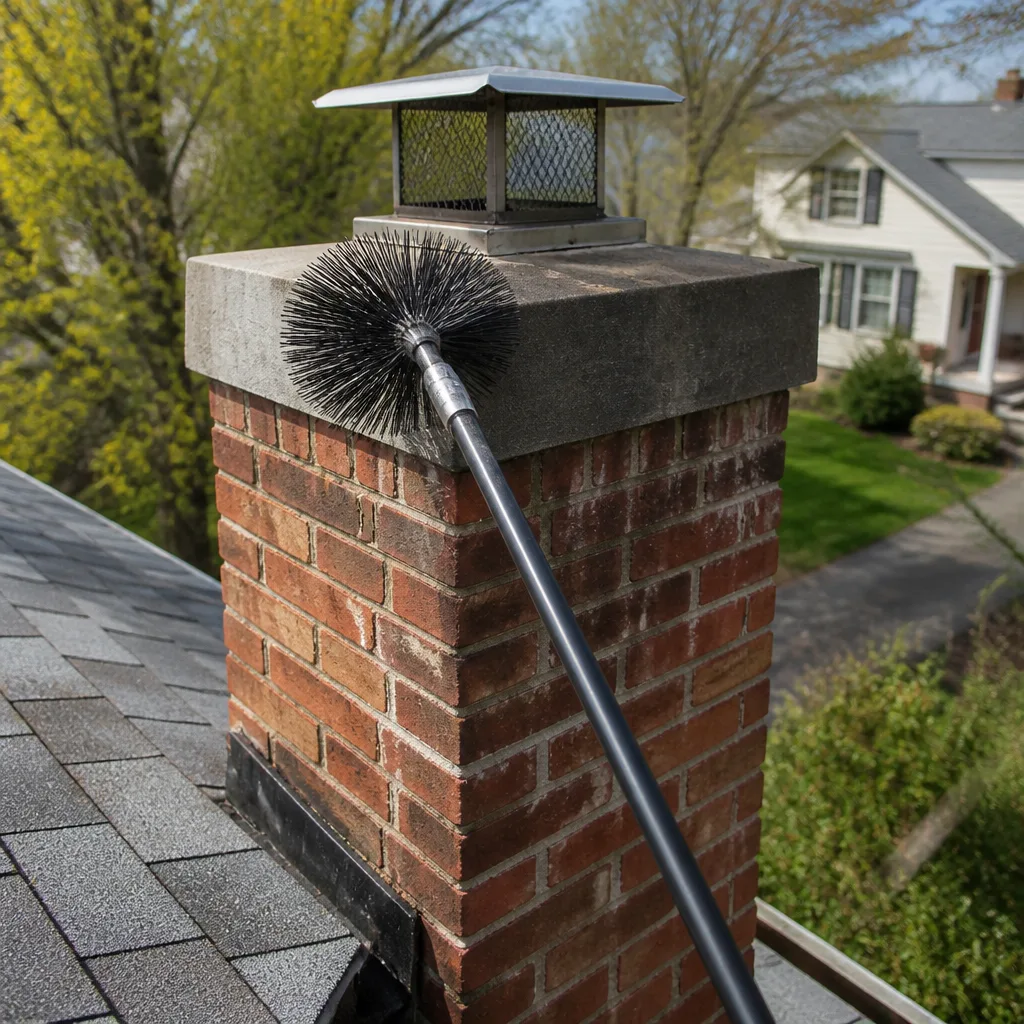 Sweep & inspection
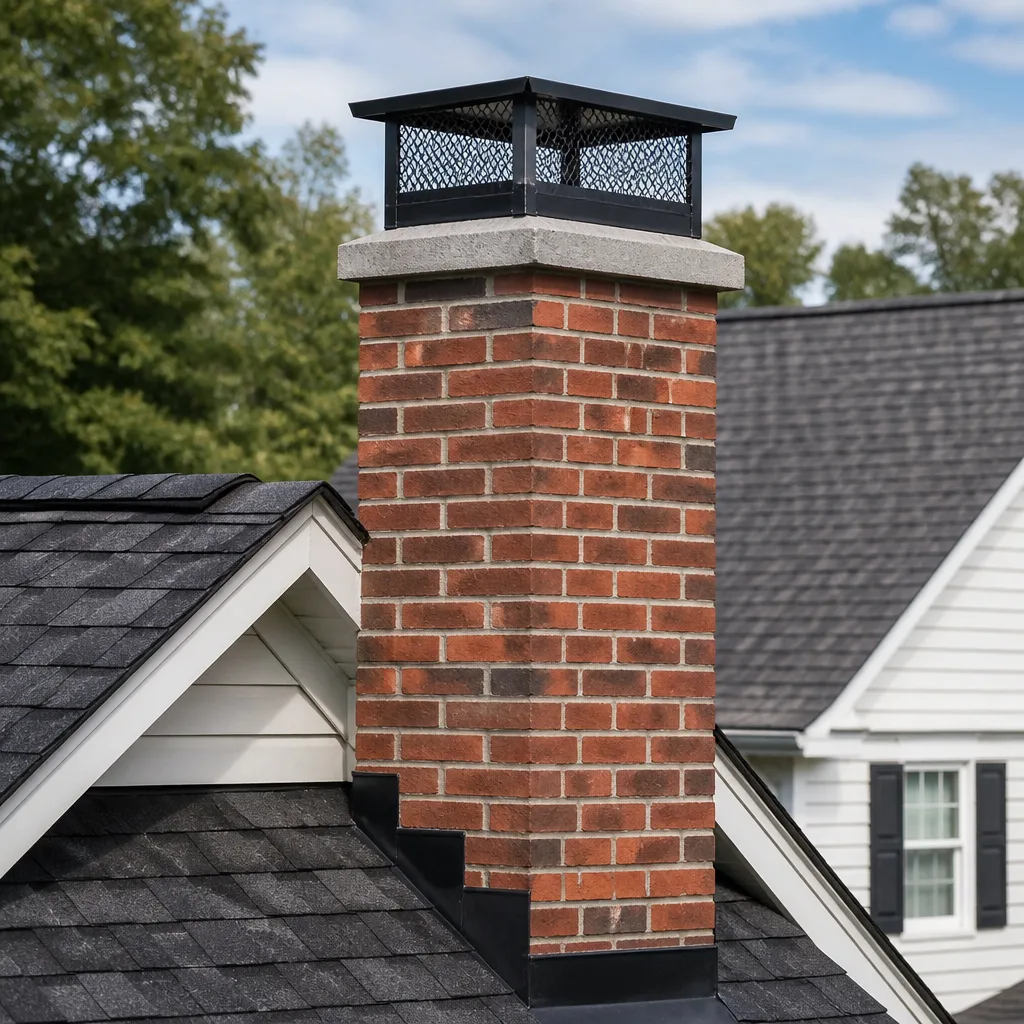 Caps & crowns
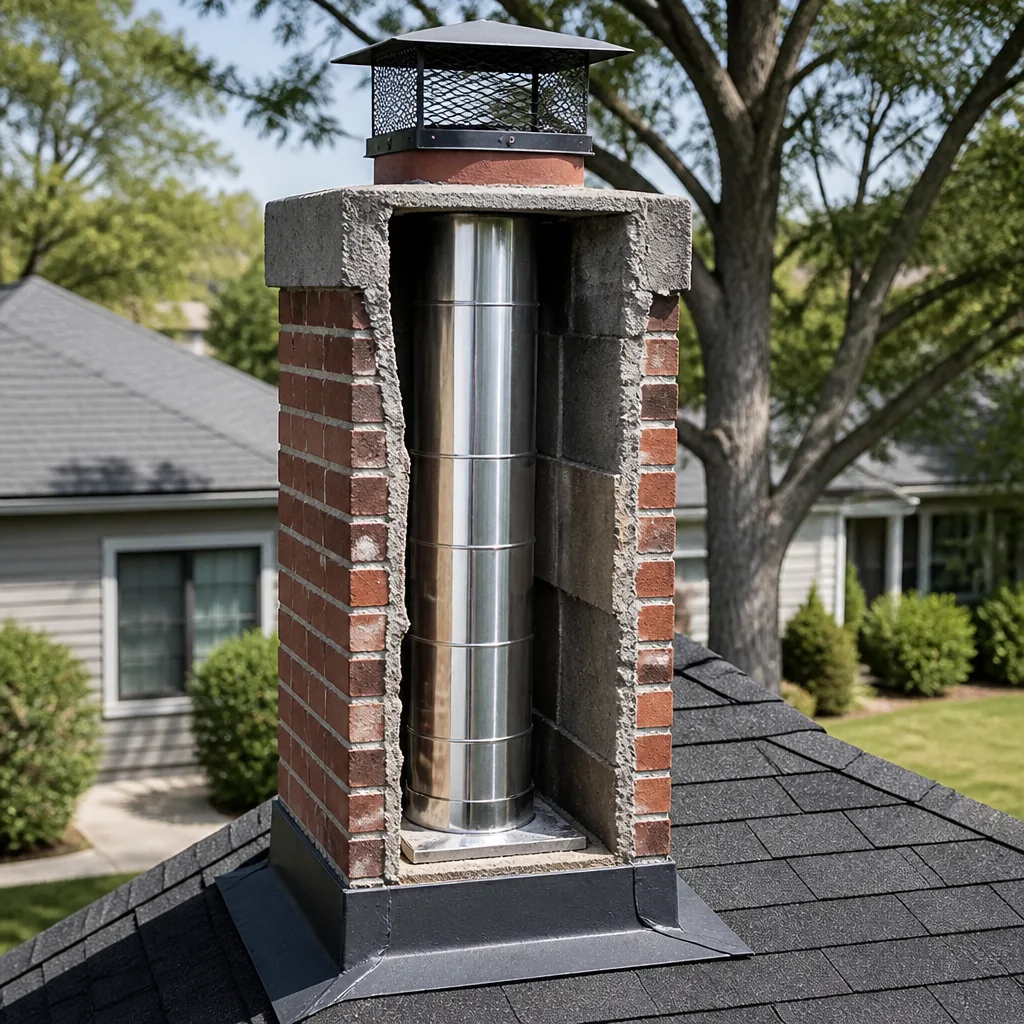 Flue relining
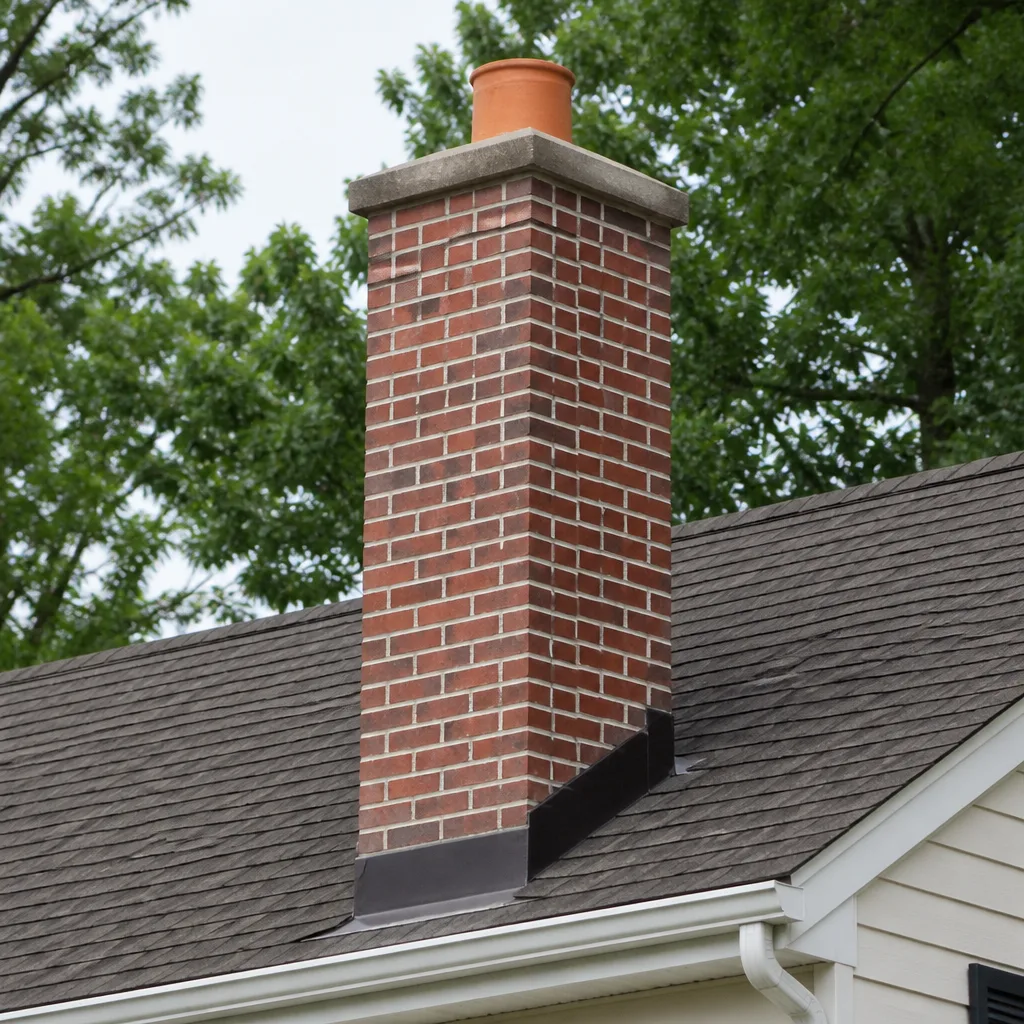 Masonry repair
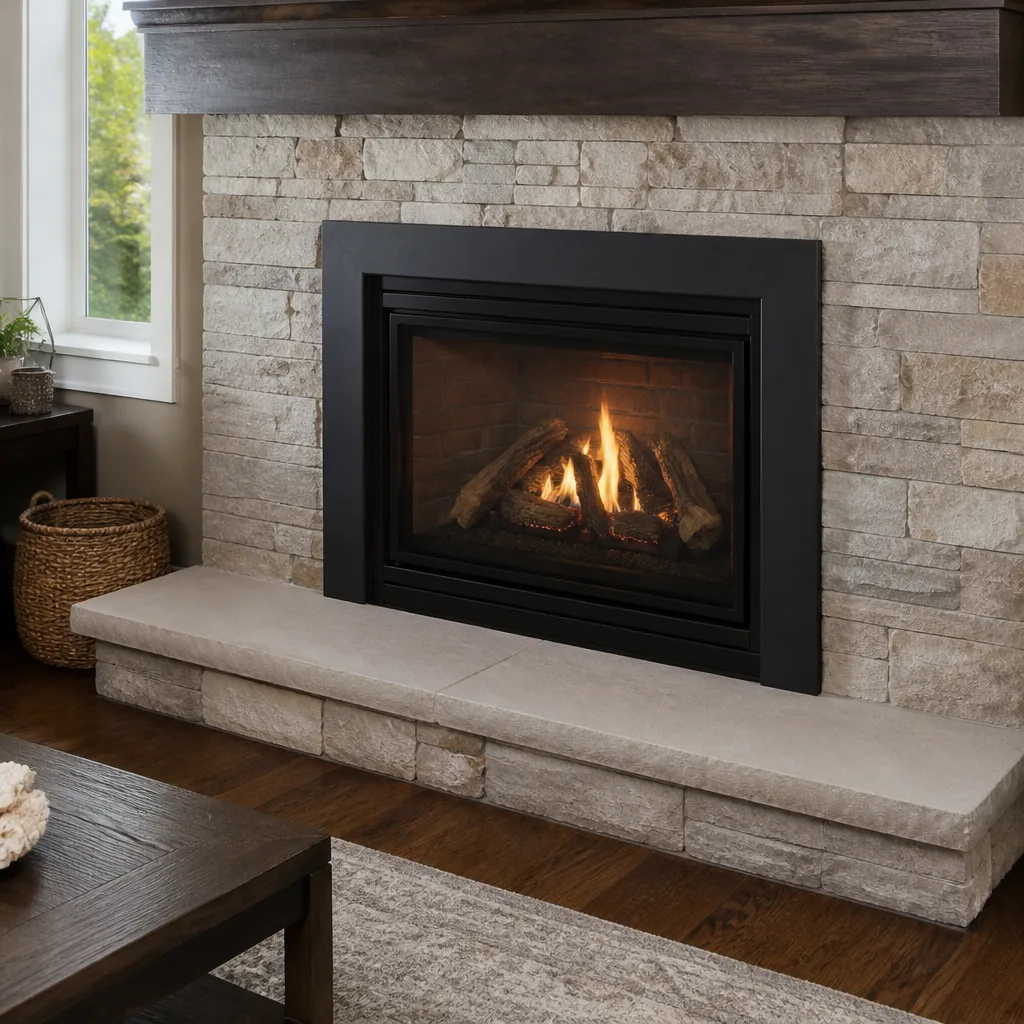 Gas fireplace service
Level 1 sweep and inspection to the NFPA 211 annual standard - flue, crown, cap, and flashing checked and photographed
Chimney sweep logs do not sweep chimneys. They loosen some creosote - which then falls where a brush and vacuum still have to collect it.
DIY vs Professional Chimney Cleaning: The Erie Homeowner’s Decision Guide
Most homeowners frame this decision as money versus safety. That framing is wrong, and it leads people to bad outcomes in both directions. The honest frame is capability versus scope: there are specific chimney maintenance tasks a prepared homeowner can legitimately handle, and there are tasks where missing equipment doesn’t make DIY merely dangerous, it makes it meaningless, because you can’t see the problem. A homeowner with a correctly sized brush can pull loose soot out of a lower flue. That same homeowner cannot see the smoke chamber shelf above the damper where creosote glazes onto angled masonry, cannot assess whether a liner is cracked, and cannot tell whether the flue is sized correctly for the appliance connected to it. Some DIY sweeps create false confidence, and false confidence is worse than no sweep at all. This guide draws the line precisely, so you can decide based on what you can actually accomplish, not on fear marketing. Erie homes, with their mix of wood-burning inserts and newer gas appliances, sit right in the middle of that line.
Quick Answer
A basic DIY chimney sweep can remove loose soot from the firebox and the reachable lower flue, and that’s roughly where DIY capability ends. Professional cleaning goes further because the technician has rotary camera equipment and the training to read what the camera shows: smoke chamber buildup, liner integrity, crown and cap condition. If your fireplace sees light use, has had a professional baseline inspection recently, and has no history of repairs, DIY between professional visits is reasonable. If you’ve noticed odor, staining, crumbling mortar, or a missing cap, or if you simply don’t know the last time the chimney was inspected, that’s the point where a professional inspection earns its keep.
Styles & brands we work with
- Sweep & inspection
- Caps & crowns
- Flue relining
- Masonry repair
- Gas fireplace service
Table of Contents
- What a Prepared Homeowner Can Legitimately Do
- The Equipment Gap That Makes DIY Inspection Insufficient
- What You Actually Need to DIY a Basic Sweep
- When DIY Is Genuinely Reasonable
- When DIY Is Genuinely Risky
- Using DIY Between Professional Visits Strategically
- What’s Different About Chimneys in Erie, Colorado
- Common Mistakes to Avoid
- When to Call a Professional
- Frequently Asked Questions
What a Prepared Homeowner Can Legitimately Do
We want to be honest about this, because overstating the danger of DIY is just as unhelpful as pretending a brush kit makes you a chimney sweep. There are real tasks a careful homeowner can do, and doing them well reduces what accumulates between professional visits.
A task-by-task breakdown is the clearest way to see the line:
- Firebox cleanup: Fully within DIY reach. Removing ash and soot from the firebox floor and walls is straightforward, low-risk, and genuinely useful.
- Damper inspection: A homeowner can open and close the damper and watch for sticking, warping, or rust. Reading a damper is not the same as repairing one, but noticing the problem early matters.
- Lower flue brushing: With the correct brush and rod, you can reach the first several feet above the damper. This removes loose soot but does nothing for glazed creosote further up.
- Cap visual check: From the ground, with binoculars, you can see whether a cap is present, cracked, or missing. That’s observation, not inspection, but it catches the most obvious water-entry problem.
- Recording what you observe: Noting dates, soot levels, and anything new you notice gives the professional a better starting point.
What DIY cannot accomplish is meaningful. It cannot remove glazed third-degree creosote, which requires chemical treatment and mechanical rotary cleaning. It cannot clear the smoke chamber shelf above the damper, which is where a surprising amount of dangerous buildup collects on angled surfaces. It cannot assess liner condition, flue size, or draft. In short, DIY handles what you can reach and see; professional cleaning handles what determines whether the fireplace is safe. Call (833) 468-5631 for a free estimate if you’re not sure which side of that line your chimney sits on.
The Equipment Gap That Makes DIY Inspection Insufficient
The single most important difference between DIY and professional service isn’t the brush. It’s diagnostics. A technician arrives with tools that answer questions you cannot answer with a flashlight and a mirror, and the gap is wider than most homeowners expect.
Here’s what professional equipment actually delivers that a homeowner’s kit doesn’t:
- Rotary camera systems: A camera on a rotating rod lets a technician see the full internal surface of the flue, including the smoke chamber shelf, liner joints, and offsets where a flashlight beam doesn’t reach. The photo record is the evidence behind every recommendation.
- Chemical treatment applicators: Glazed creosote doesn’t brush off. Removing it requires a staged chemical process that softens and converts the glaze before mechanical cleaning, and applying it correctly requires the equipment and the judgment to know how long it needs to sit.
- Flue gas analysis and draft testing: Draft problems can cause smoke spillage, poor combustion, and carbon monoxide risk. Measuring draft and analyzing combustion is how a technician decides whether the appliance is venting as it should. Without that measurement, you’re guessing.
- Liner assessment tools: A camera combined with knowledge of the liner’s material and installation tells the technician whether it’s cracked, misaligned, or past its service life. A homeowner can’t make that determination by eye, and a wrong guess here is a hazard.
This matters especially in older Erie homes where a chimney may have been retrofitted and its liner condition is unknown. When the technician can show you photos of what they found, “you need a liner” stops being a sales pitch and starts being evidence. That’s the standard we hold ourselves to: nothing is recommended without camera evidence you can see for yourself. If a company won’t show you the pictures, ask why. Call (833) 468-5631 and the estimate is free.
What You Actually Need to DIY a Basic Sweep
If you’ve decided that DIY between professional visits makes sense for your situation, the equipment list is not complicated, but it is specific. Getting the brush size wrong is the most common mistake, and it can actually damage a liner.
Here’s the basic kit and how each piece matters:
- Measure your flue first. Determine the interior dimensions of your flue at the damper and, if possible, above. Flues are usually rectangular or round, and the brush must match both shape and size. A brush that’s too large can abrade a liner or wedge in place. A brush that’s too small leaves cresote on the walls.
- Buy a brush sized to your flue. For a rectangular flue, get a rectangular brush with dimensions close to but slightly smaller than the flue. For a round flue, get a round brush matched to the interior diameter. Avoid wire bristles on a liner.
- Get flexible rods of sufficient length. Measure from your damper to the top of the chimney and buy rods that reach it with some slack. Fiberglass or polypropylene rods are preferable to rigid rods for reaching around offsets.
- Set up drop cloths and a sealing method. This is the step most DIYers skip and regret. Lay drop cloths over the hearth and furniture, and seal the fireplace opening with plastic and tape, leaving only a gap for the rods. This keeps soot out of the living space.
- Wear the right protection. A proper respirator, safety glasses, and gloves are non-negotiable. Chimney soot is a respiratory irritant.
- Plan disposal before you start. Sweepings go into a sealed container, not a household bin, because the soot is fine and flammable. Check with your local waste facility about how they want it handled.
When you have the right kit, a basic sweep becomes a two-hour job rather than a hazard. When you don’t, the result is either damaged equipment or a false sense of cleanliness. That’s where our chimney sweep service comes in: a professional sweep is booked, includes a camera inspection and a photo report, and the price is set per job by a written estimate agreed before the work starts.
When DIY Is Genuinely Reasonable
Not every chimney needs a professional visit every time the firebox looks dirty. There are scenarios where a homeowner’s DIY effort is legitimate and worthwhile. Recognizing them honestly is part of the decision.
DIY makes sense when all of these are true:
- Light use. A fireplace used a handful of times a year builds up far less creosote than one that runs regularly through the winter. Low use keeps the strain on the flue in the manageable range.
- Recent professional baseline. A professional inspection within the recent past, with a clean report, gives you a known starting point. You know the liner is sound, the smoke chamber is clear, and no repairs are pending.
- No history of repairs or issues. If the chimney has never needed work and there’s no record of water damage, cracking, or liner problems, the odds of missing something are low.
- You know the flue size and shape. A homeowner who measured the flue and bought the right brush is in a different category than one guessing.
- You’re comfortable on the roof or can reach the flue from below. If your chimney requires roof access, and the roof is steep or icy, DIY is no longer reasonable. It’s just risky.
In those conditions, a homeowner performing a basic sweep is doing themselves a service, and it doesn’t replace the annual professional inspection. We’d add one important caveat: if you can’t remember when the chimney was last inspected, treat this as the moment to schedule one. It’s a free estimate, and it resets the baseline. Call (833) 468-5631. We answer 24/7.
When DIY Is Genuinely Risky
Some situations cross the line from “reasonable” to “reckless,” and the consequence isn’t just a dirty fireplace. It’s a chimney fire or carbon monoxide exposure. We don’t say that to scare anyone into a call. We say it because we’ve seen what a missed liner crack or an obstructed flue can do.
DIY is genuinely risky when:
- You smell a persistent odor. A strong creosote smell in warm weather, or smoke backing into the room on cold starts, usually signals buildup or a draft problem that needs diagnosis, not a brush.
- You see staining or crumbling mortar. Staining on the exterior, efflorescence on the masonry, or mortar that crumbles between joints is water damage or structural movement. Those aren’t cleaning problems, and brushing won’t touch them.
- The cap is missing or damaged. A missing or broken cap is the most common entry point for water, which leads to rusted dampers, cracked liners, and eventually structural repair. A cap check from the ground is fine; climbing a roof to inspect a cap, or attempting to install one, is a height-work risk better handled by a professional.
- The flue has a history of repairs. Repaired liners or patched masonry need a real inspection, not a consumer kit, because the repair itself can mask a current problem.
- You suspect glazed creosote. Dark, shiny, hardened creosote on the flue walls is third-degree buildup. It doesn’t brush out, and it’s a fire fuel. Removing it requires chemical treatment and mechanical equipment.
- The chimney hasn’t been inspected in years. Without a baseline, you don’t know what you’re working around. The first step is a professional inspection, not a brush.
We handle the full chimney system, from the firebox to the crown, so when a routine sweep turns up a repair, it doesn’t get referred out. Our chimney repair service covers masonry, liners, and crown work, and we use HeatShield for resurfacing and DuraFlex flexible liner systems for relining. Those materials are chosen because the repair has to survive the same conditions the chimney does. Call (833) 468-5631 to schedule a free estimate, or if you’ve already noticed one of the warning signs above.
Using DIY Between Professional Visits Strategically
The most sensible role for DIY isn’t replacing the professional visit. It’s making the professional visit more efficient and better targeted. A homeowner who observes and documents between visits is a better partner to the technician, and the result is a more precise inspection.
Here’s how to do that well, in order:
- Keep a simple log. Note the approximate date of each fire, roughly how much wood was burned, and anything unusual (smoke spillage, unusual odor). Nothing fancy, just dates and observations.
- Check the firebox and damper after each season. Look for new ash accumulation, soot patterns, or damper sticking. Note what you see.
- Check the chimney exterior from the ground. Binoculars from the driveway will show you whether the cap is present, whether the crown looks cracked, and whether the masonry looks stained. Note what you see.
- Clean what you can reach, if you’re confident the baseline is solid. If your last professional inspection was clean and recent, a basic firebox and lower-flue sweep between visits is reasonable and useful.
- Bring your notes to the professional visit. A clear log of what you observed is exactly the kind of information that makes an inspection more targeted. The technician can spend time on the parts you couldn’t see.
This is where single-trade expertise matters. A generalist home-service provider may not know what to do with a homeowner’s observation about a subtle draft change. A specialist whose entire work is chimneys will. We’ve seen the difference a targeted inspection makes, and it comes down to knowing exactly what to check and where. If you’d rather just have the inspection first and the observation second, that’s fine. Call (833) 468-5631 for a free estimate and we’ll get the baseline set.
What’s Different About Chimneys in Erie, Colorado
Erie’s climate and housing stock put specific pressures on chimneys that general advice doesn’t account for. If you’re weighing DIY versus professional cleaning in Erie, these are the local factors worth knowing.
- Freeze-thaw cycling. Erie sits at elevation and sees cold winters with repeated freeze-thaw cycles. Water that enters through a missing cap or a cracked crown expands when it freezes and contracts when it thaws, and that cycle slowly opens mortar joints and cracks masonry. It’s one of the fastest paths from small repair to structural work, which is why we treat Chimney Cap & Crown as a standalone preventive service rather than an add-on.
- Dry, windy spring conditions. Erie’s spring winds are hard on caps and chimney exterior, and dry conditions make creosote more combustible. A chimney that’s been sitting with buildup all winter is a bigger concern in a dry spring than after a wet one.
- Housing stock variety. Erie includes older brick chimneys in the established parts of town and newer construction where a gas appliance may sit in a flue that was originally sized for wood. In the newer cases, flue sizing matters, and only a professional inspection with the right tools can confirm whether the appliance is venting correctly.
- Altitude. Higher elevation affects combustion and draft. Draft problems that would be marginal at sea level are more likely to show up here. A draft test is part of a proper inspection, and it’s not something a homeowner kit replicates.
We’re an Erie business because this is where our knowledge is deepest. That includes knowing the materials that hold up here. We name the brands we use because the materials behind a repair matter as much as the labor. DuraFlex and HeatShield in particular are chosen for chimney environments, not repurposed from other trades. Our fireplace repair service handles the firebox and damper components where the freeze-thaw cycle tends to show its effects first.
Common Mistakes to Avoid
- Using a brush that’s the wrong size for the flue. An oversized brush abrades liners and wedges in place; an undersized one does nothing useful. Measure first, buy second. This matters more in Erie’s older brick chimneys where flue dimensions can surprise you.
- Skipping the drop cloth and sealing step. Without a sealed plastic barrier around the fireplace opening, soot distributes through the room, and the cleanup ends up bigger than the sweep. It’s the most common DIY mistake we see once a homeowner has cleaned up afterwards.
- Cleaning on the assumption the flue is fine. A brush doesn’t tell you the liner is sound. If you can’t remember when the chimney was last inspected, a DIY sweep before an inspection is just building on unknown ground.
- Mistaking a basic sweep for an inspection. They’re different services. A sweep cleans; an inspection evaluates. Doing one and thinking you’ve done the other is exactly the false confidence that causes problems.
- Ignoring a missing or damaged cap. In Erie’s freeze-thaw climate, a missing cap is the most expensive small neglect there is. It opens the chimney to water, and water does the damage. Cap and crown work is preventive, and it costs a fraction of what structural repair costs.
- Attempting glazed creosote removal with a consumer kit. Third-degree creosote needs chemical treatment and proper equipment. Trying to force it with a manual brush can damage the flue and still not remove the glaze.
- Putting off the baseline inspection because you’ve done some DIY. A homeowner’s DI-lite sweep is not a substitute for a professional baseline. Get the baseline set, then use DIY between visits.
When to Call a Professional
Call a professional chimney specialist when any of these are true: you can’t remember the last professional inspection; you’ve noticed creosote odor, staining, or mortar that crumbles between joints; your cap is missing or damaged; your chimney has a history of repairs; your fireplace is used regularly through the heating season; or you simply don’t know whether the liner is sound. Those aren’t marketing scenarios, they’re the specific situations where DIY equipment can’t answer the question that matters. Our technicians have up to 9 years of experience evaluating exactly these conditions in Erie and the surrounding Front Range communities. We offer free estimates in Erie – call (833) 468-5631. We answer 24/7, and dispatch is available from 7am to 7pm, Sunday through Friday. Nothing is recommended without camera evidence you can see for yourself, and if work can safely wait, we’ll tell you that plainly.
Frequently Asked Questions
Yes, at least periodically. DIY can keep the firebox and reachable lower flue clean, but it can’t verify liner integrity, flue sizing, draft, or smoke chamber condition, and those are the factors that determine whether your fireplace is safe to use. A professional baseline inspection gives you the known starting point that makes DIY reasonable in the first place. Call (833) 468-5631 for a free estimate and reset that baseline.
Most chimneys used through the heating season benefit from a professional sweep and inspection once a year. Erie’s long cold season and freeze-thaw cycling make an annual check the sensible rhythm, because problems like crown cracking or mortar movement show up early and are far cheaper to fix early. If your fireplace sees only occasional use, the inspection rhythm may stretch, but it’s the inspection, not the sweep, that tells you whether it can. Call (833) 468-5631 and we’ll walk through it with a free estimate.
You can remove loose soot from the firebox and the reachable lower flue with a correctly sized brush kit, and that’s a legitimate task under the right conditions. What a kit cannot do is remove glazed creosote, clear the smoke chamber shelf, or tell you anything reliable about your liner. If your flue size is known, the chimney was recently inspected and clean, and there’s no history of repairs, a basic DIY sweep between professional visits is reasonable. Call (833) 468-5631 if you’d rather get the baseline inspection first.
Skipping it means creosote can accumulate unnoticed, liner damage can go undetected, and water entry through a missing cap or cracked crown can progress to structural repair, all without obvious signs until something fails. We never push unnecessary work, and sometimes work can safely wait, but that’s a determination made from camera evidence, not from a guess. A free estimate is the low-risk way to find out what your chimney actually needs. Call (833) 468-5631.
Yes, and it’s a smart sequence. A professional inspection after your own cleaning effort tells you what you actually removed and what you missed, particularly in the smoke chamber and upper flue where the camera does its best work. It’s the most efficient way to use both DIY diligence and professional tools. Call (833) 468-5631 and we can schedule a free estimate around your existing routine.
A professional sweep includes rotary cleaning of the full flue, a camera inspection with a photo record you can see, assessment of liner condition and flue sizing, and draft testing, all of which feed into a recommendation that’s specific to your chimney. The photo report matters most: nothing is recommended without camera evidence, so you’re making decisions from what’s observable, not from what a technician asserts. For a free estimate in Erie, call (833) 468-5631.
The Bottom Line
DIY chimney maintenance isn’t foolish, and it isn’t a substitute for professional service. It fills a defined role: firebox cleanup, lower-flue brushing under the right conditions, and observation that makes a professional visit more targeted. Where DIY genuinely fails is diagnostics. No consumer kit replaces a rotary camera, chemical-application equipment, or draft testing, and those tools are how a technician determines whether your chimney is actually safe to use. Erie homes face freeze-thaw cycling that makes cap and crown condition a serious concern, and that makes the annual inspection the single most valuable piece of maintenance you can schedule. The right order is: get the professional baseline, use DIY thoughtfully between visits, and call when warning signs appear. We handle the full chimney system, from the firebox to the crown, with professional-grade materials and single-trade focus.
When you’re ready to know exactly what your chimney needs, call (833) 468-5631 for a free estimate. We answer 24/7, and fast dispatch is available from 7am to 7pm, Sunday through Friday. Start with an inspection at Chimney Sweep Erie and confirm the baseline before your next fire.
Written by the team at Chimney Sweep Erie.
See the difference
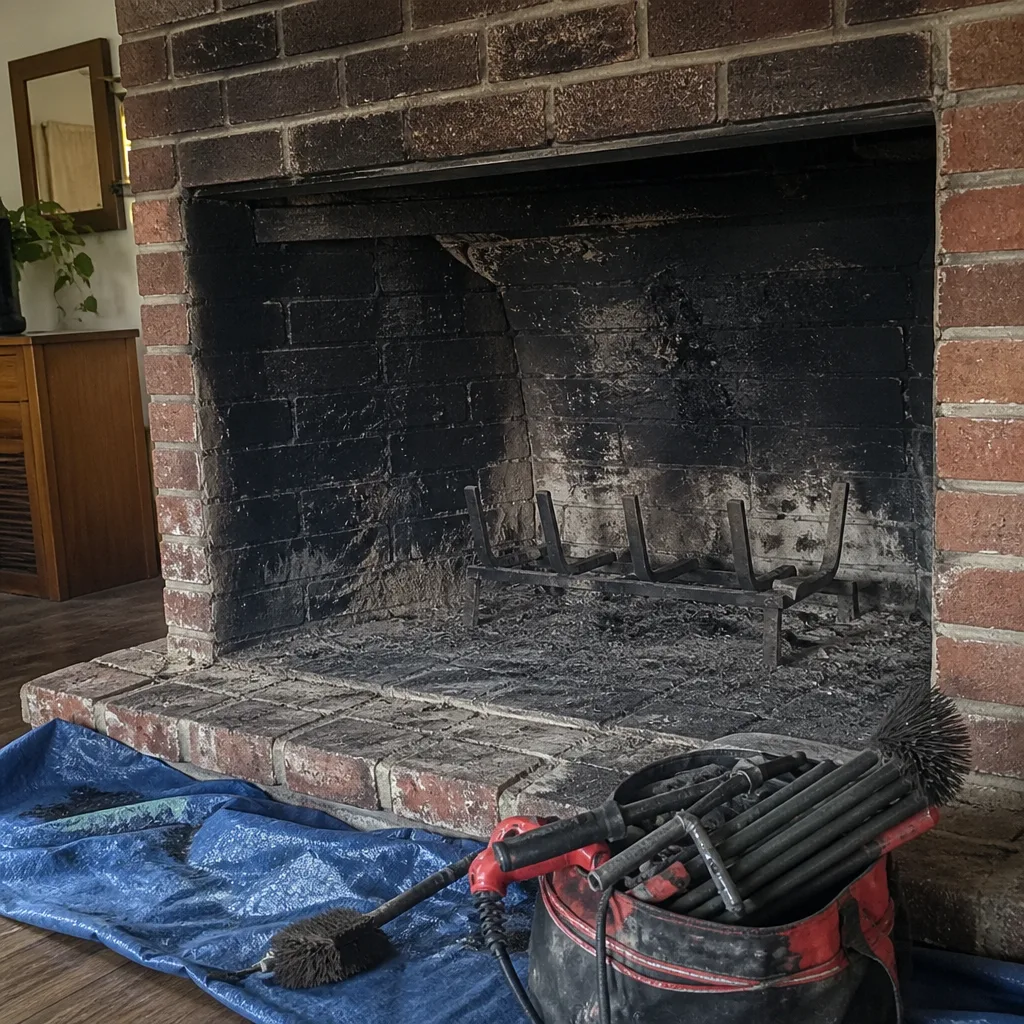 Before
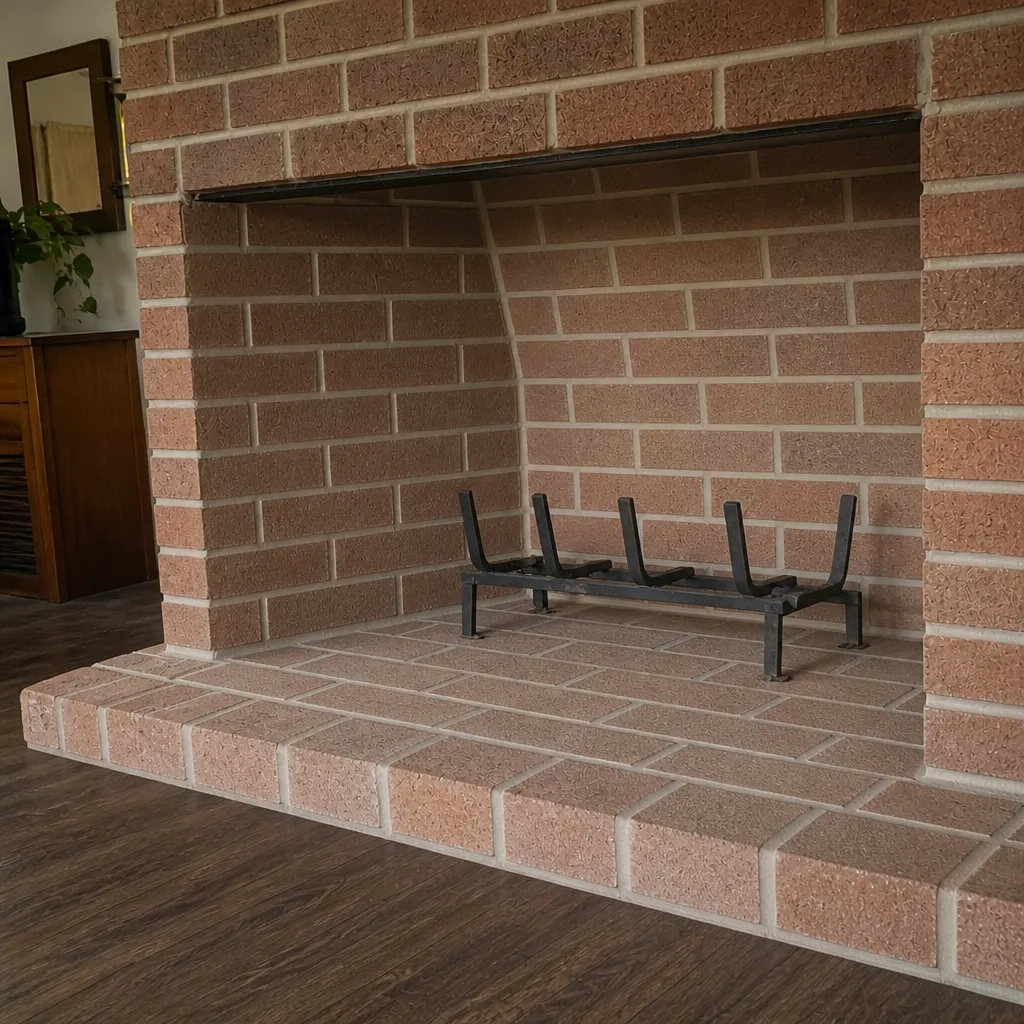 After
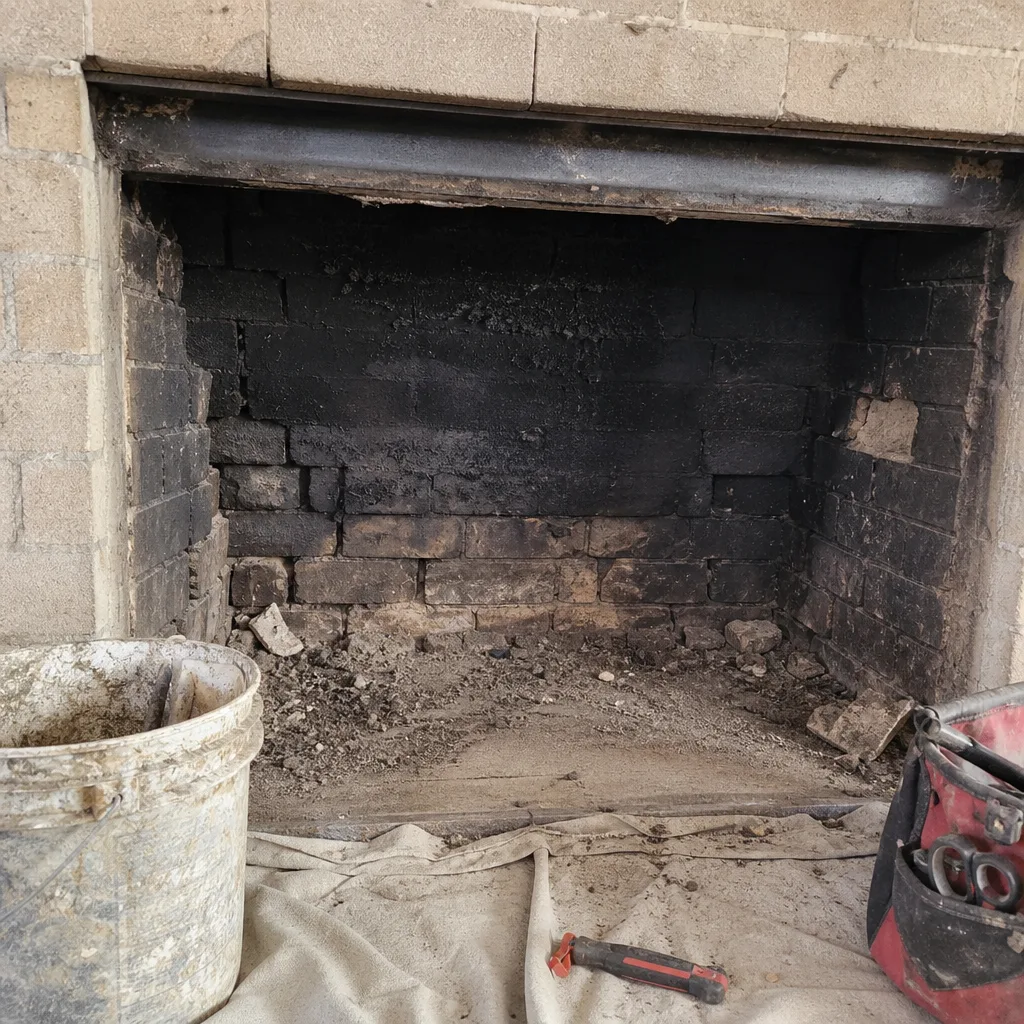 Before
 After
 Before
 After